The history of the craftsmanship economy is littered with the ruins of fashion houses which lost their creative soul through founder absence, over-licensing, or managerial drift — as seen at once-iconic examples such as Halston, Pierre Cardin, Liz Claiborne, and Kate Spade — and internal turbulence (Gucci), as well as unsuccessful conglomeration efforts which proved incapable of preserving creative genius at scale.
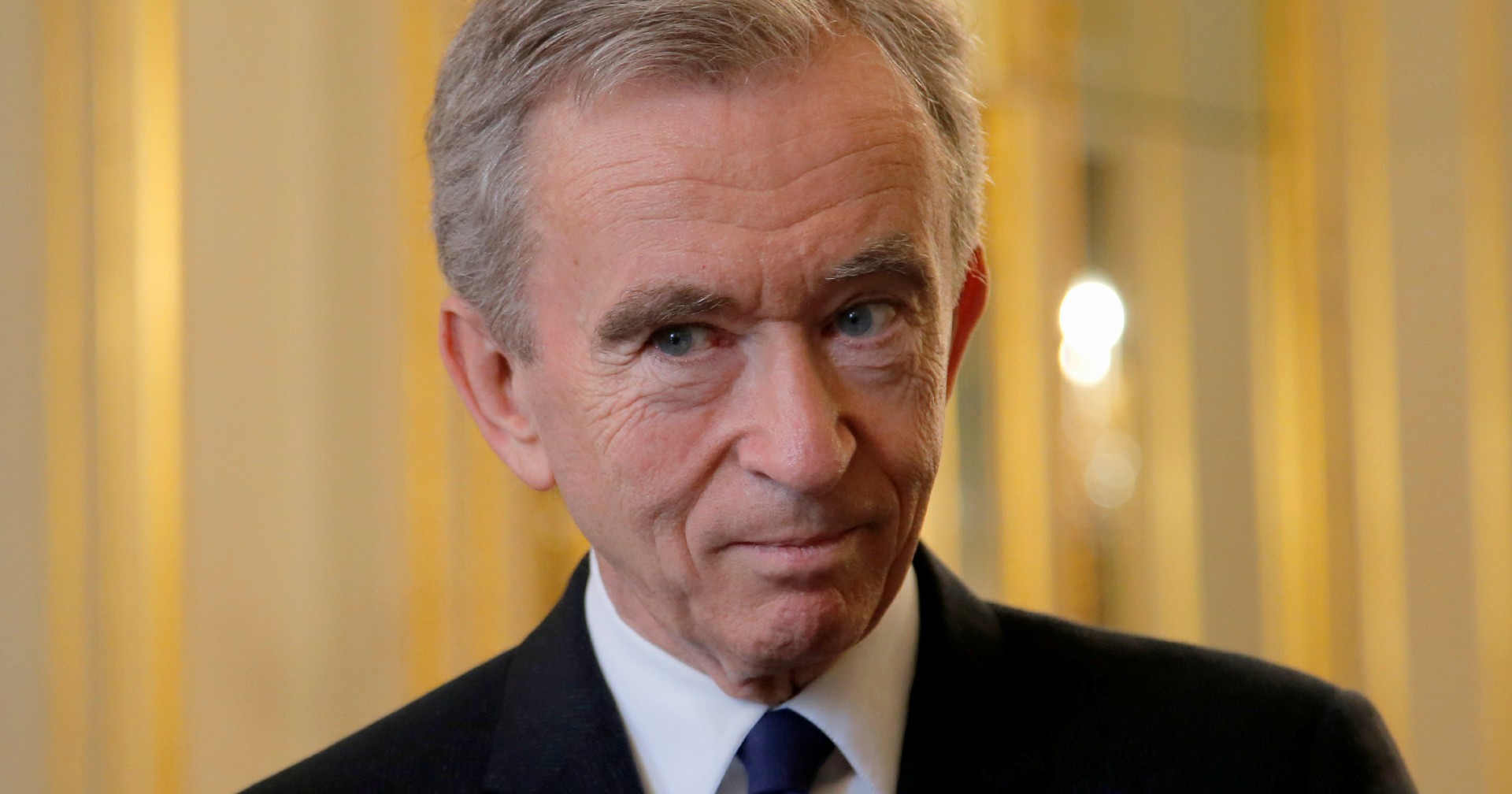
In contrast to such unraveled tapestries, Bernard Arnault has not merely defied that history; he has fortified quality brands and built something entirely new and unprecedented.
Arnault did not merely preserve a single great house after a founder’s passing — a feat rare enough in creative industries. He has assembled, disciplined, and sustained an entire federation of once fragile maisons, each with its own lineage, mythology, tempo, and creative risk profile, transforming a constellation of independent brands into a pioneering global powerhouse, with LVMH the first European company to surpass a $500 billion valuation. Along the way, Arnault has become one of the rare titans whose vision has reshaped not just business, but culture and society more broadly.
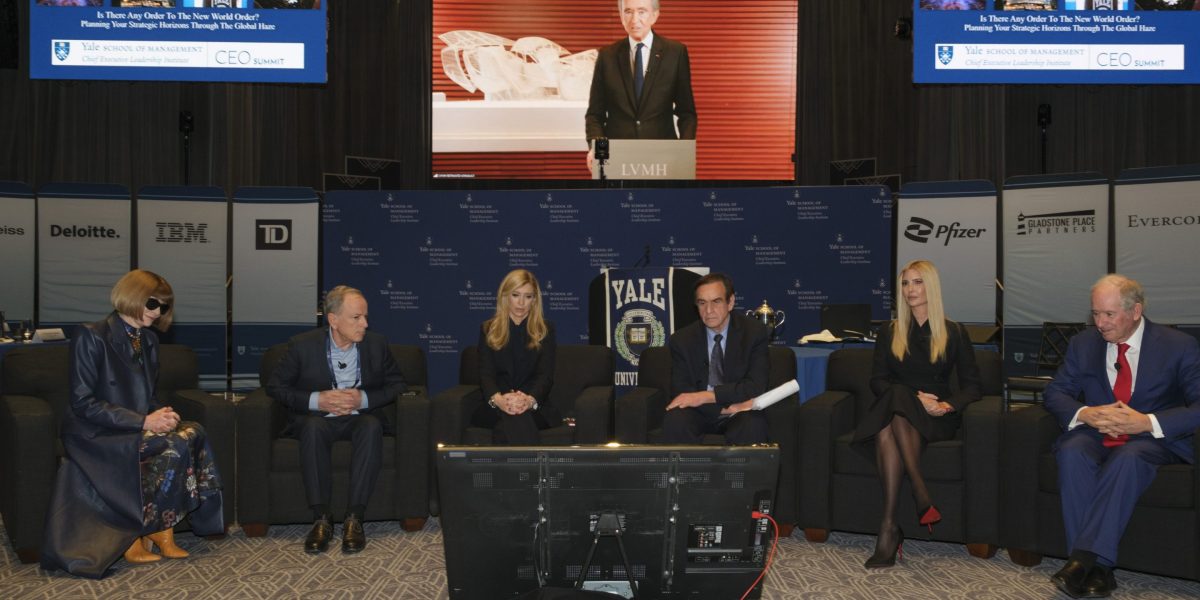
So how did Bernard Arnault achieve the impossible? This is a question we had a rare opportunity to explore publicly. At our recent Yale CEO Summit, we conferred the 2025 Yale Legend in Leadership Award upon Arnault, presented by Condé Nast global chief content officer and artistic director Dame Anna Wintour; Blackstone chairman and CEO Stephen Schwarzman; and entrepreneur and philanthropist Ivanka Trump, the entirety of which was broadcast live on CNBC TV and on CNBC.com. Afterward, Arnault subsequently engaged in some rare Q&A, moderated by CNBC anchor Sara Eisen, during which he cast some light on the secrets to his success, and at least three timeless and transferable lessons of leadership.