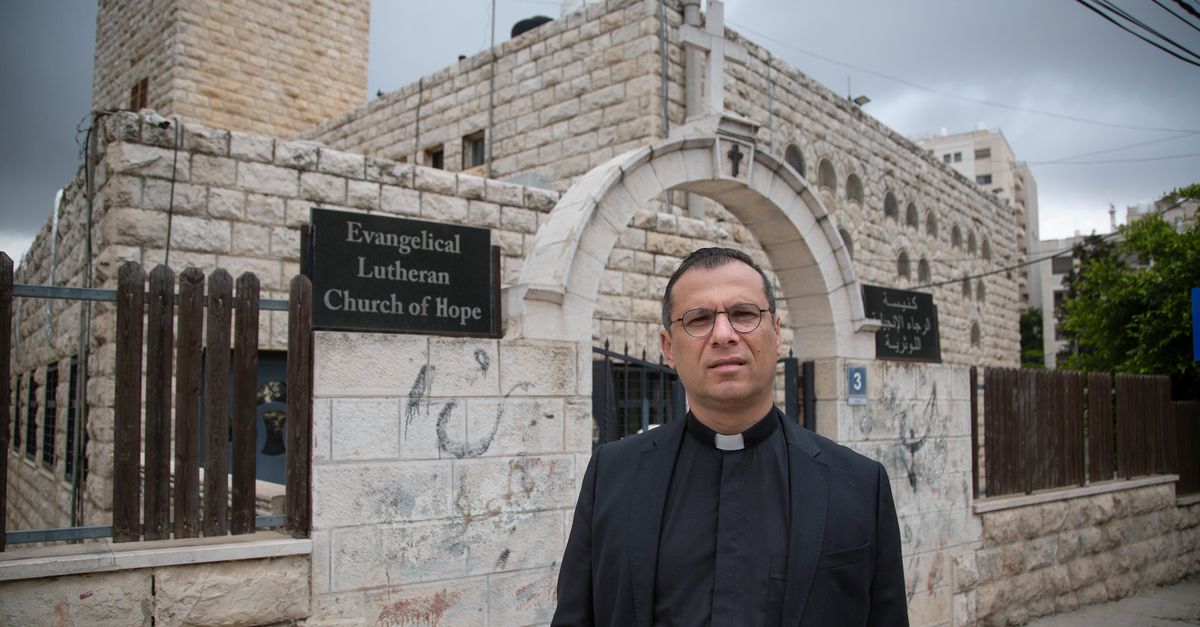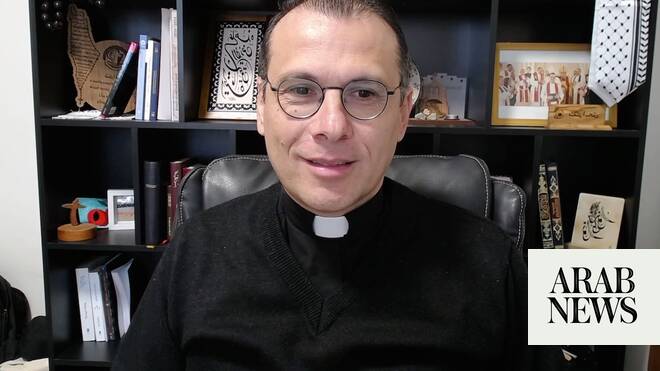
RAMALLAH: When Rev. Dr. Munther Isaac speaks about resistance, he does not begin with theology. He begins with memory.
Growing up in the Palestinian town of Beit Sahour, often referred to as the Shepherd’s field, during the First Intifada, Isaac remembers fear and excitement intertwined — the thrill of collective action and the dread of military retaliation.
Beit Sahour, a predominantly Christian town southeast of Bethlehem, became known internationally in the late 1980s for its campaign of nonviolent civil disobedience under the slogan “No taxation without representation.”
“I was a child,” Isaac recalls. “I remember the excitement of participating in the popular committees — and the fear. Fear of being shot, fear of soldiers coming to the house.”
The resistance was not abstract. It reached directly into his family’s life. Israeli authorities confiscated the family car in exchange for unpaid taxes from their pharmacy.