O
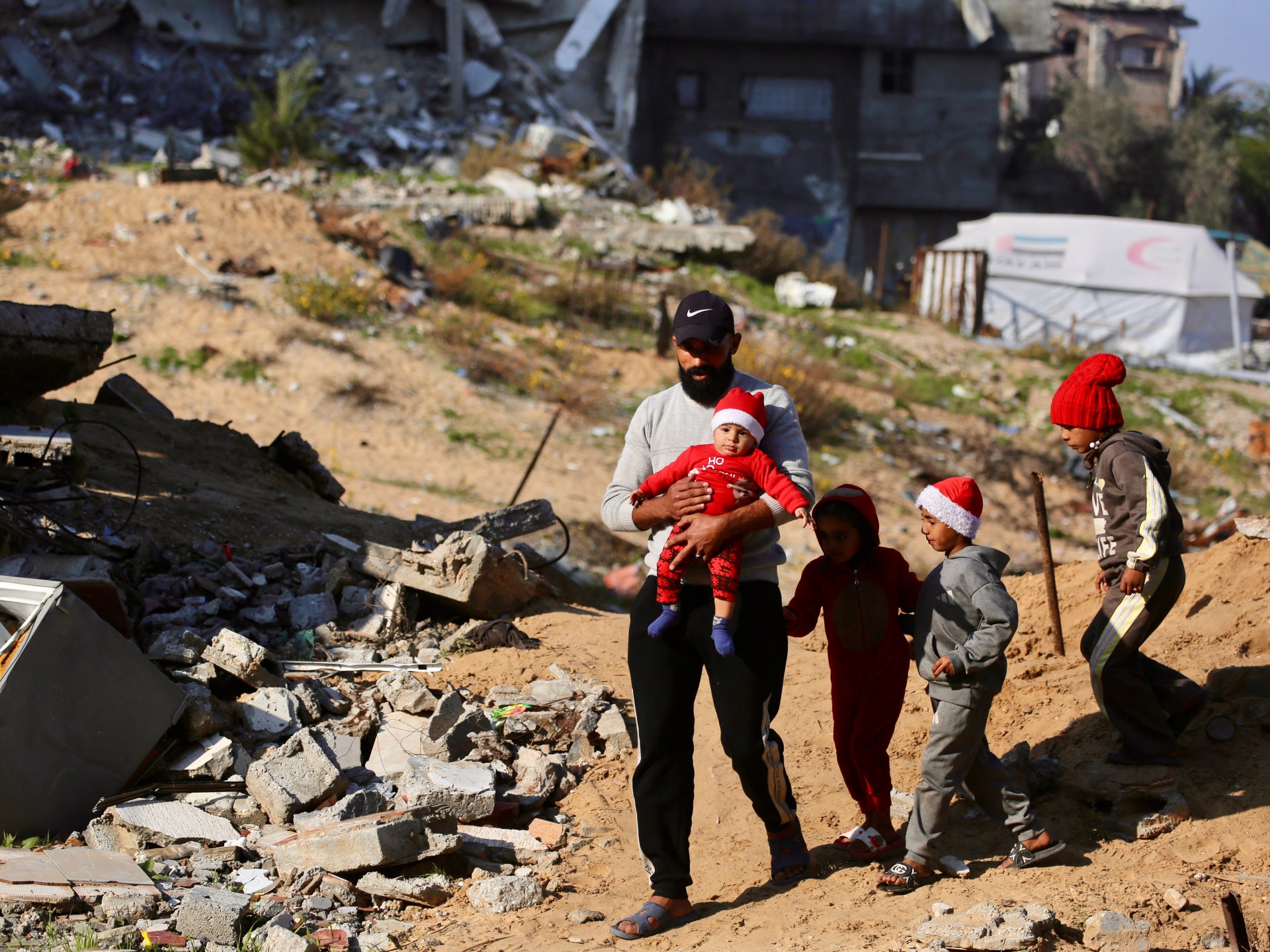
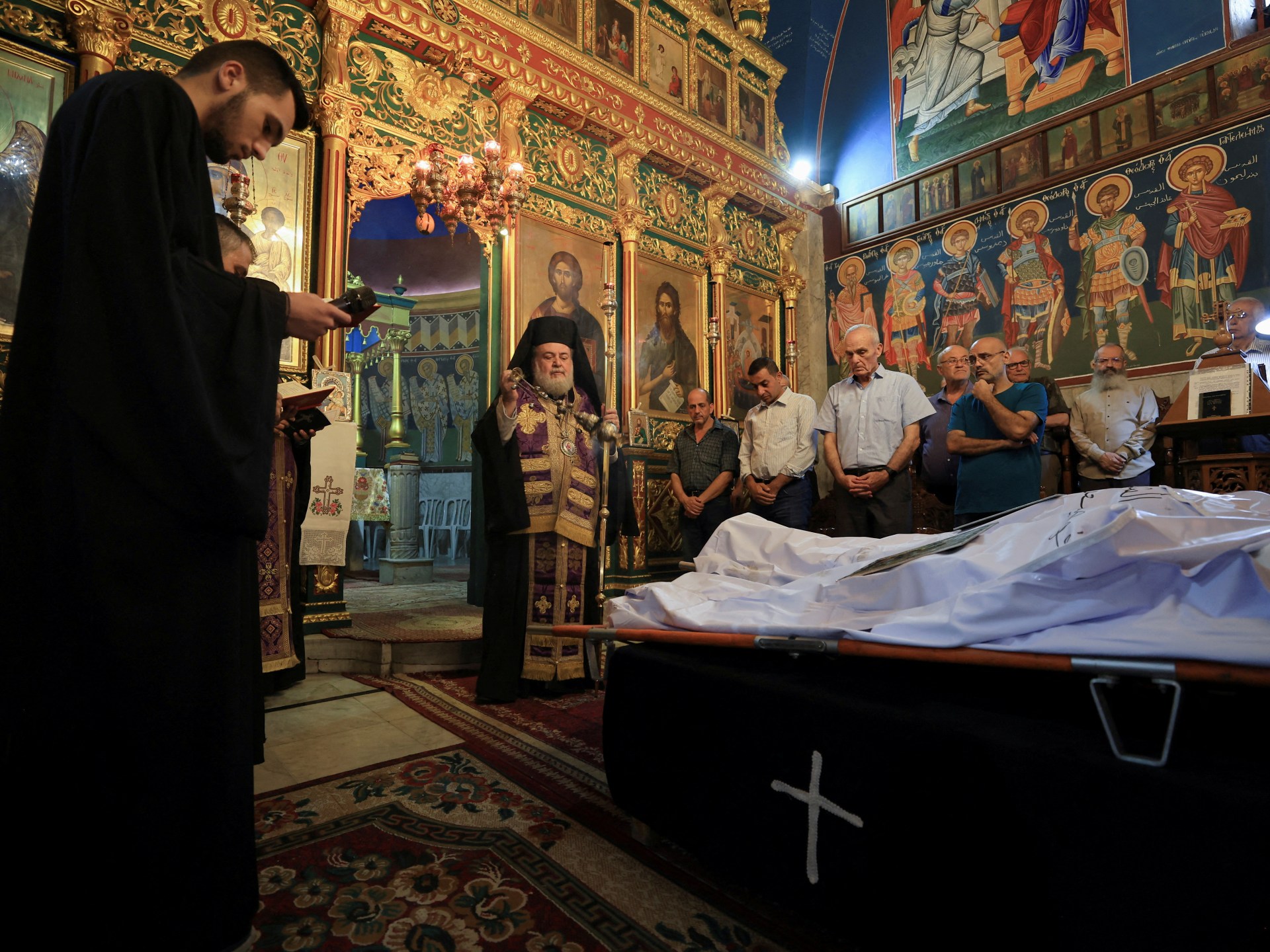
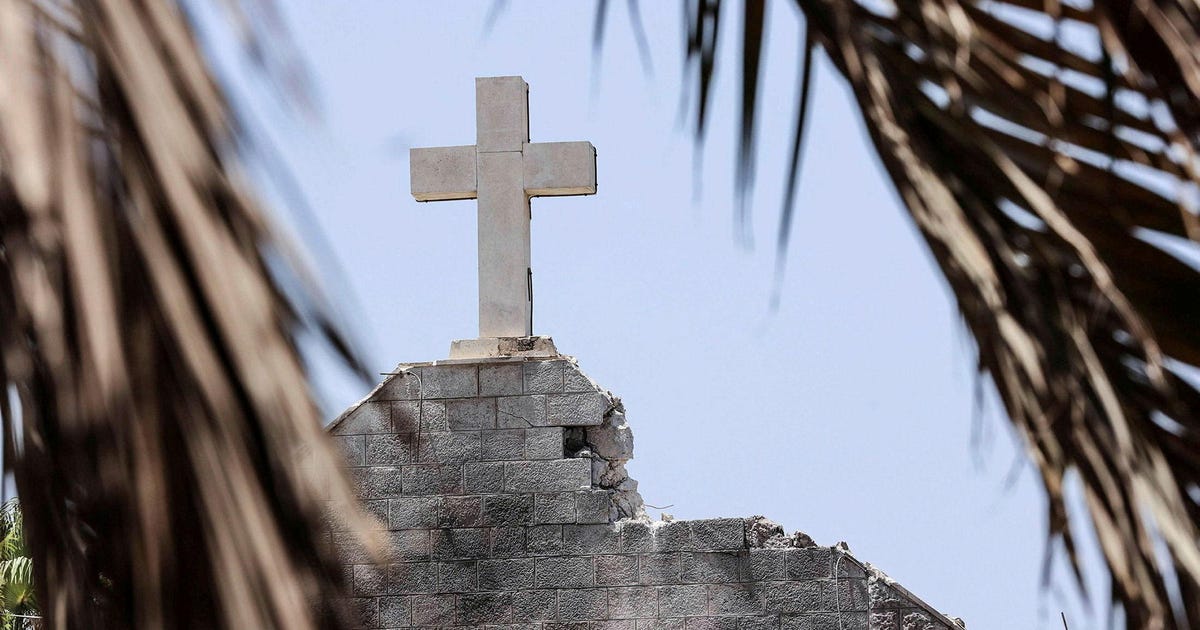
n July 17, the only Catholic church in Gaza was hit by a shell fired by an Israeli tank. Three people were killed, and the parish priest, Gabriel Romani, was wounded. Israel expressed regret but the damage, as ever, goes far beyond the material. The church was not just a sacred landmark, it was a place of refuge in a city under siege. Gaza's Christian population is now fewer than 1,000, a tiny remnant of one of Christianity's oldest communities. That it still exists at all is nothing short of miraculous.
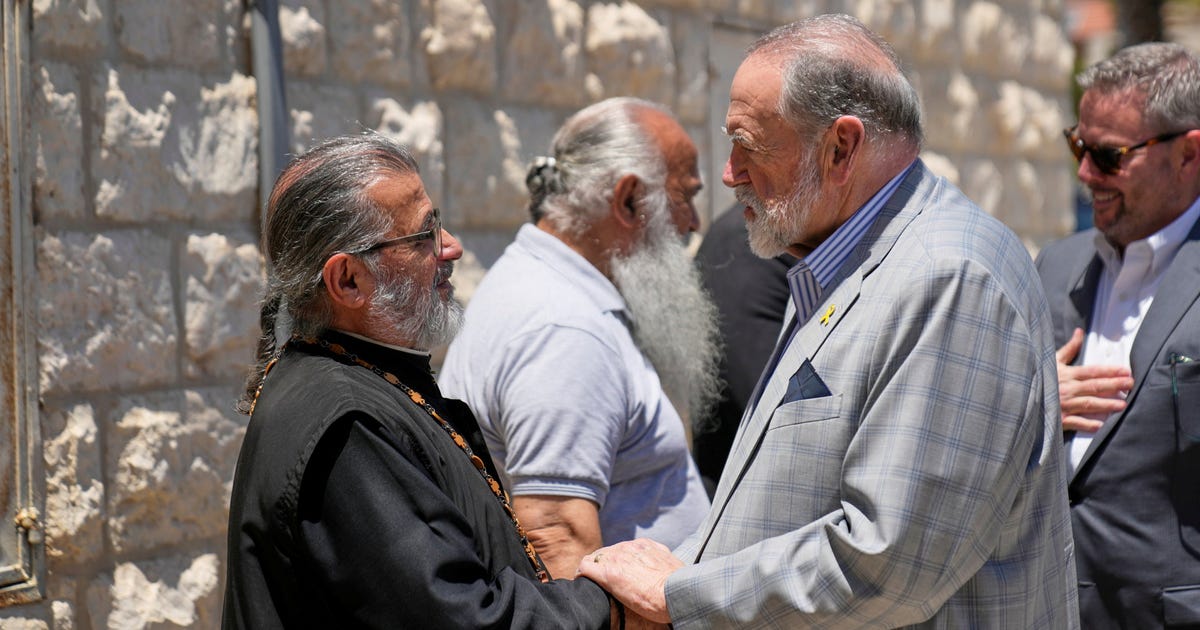
Two days after the strike, a rare scene unfolded: Cardinal Pierbattista Pizzaballa, Latin patriarch of Jerusalem, and Greek Orthodox Patriarch Theophilos III were allowed into Gaza to visit the church, bearing humanitarian aid and messages of solidarity. Pizzaballa later said he doubted the strike was accidental [in an interview given to Corriere della Sera on July 18]. Pope Leo XIV condemned the offensive and appealed for a ceasefire. France and Italy called it unacceptable. Even US President Trump expressed grave concern.
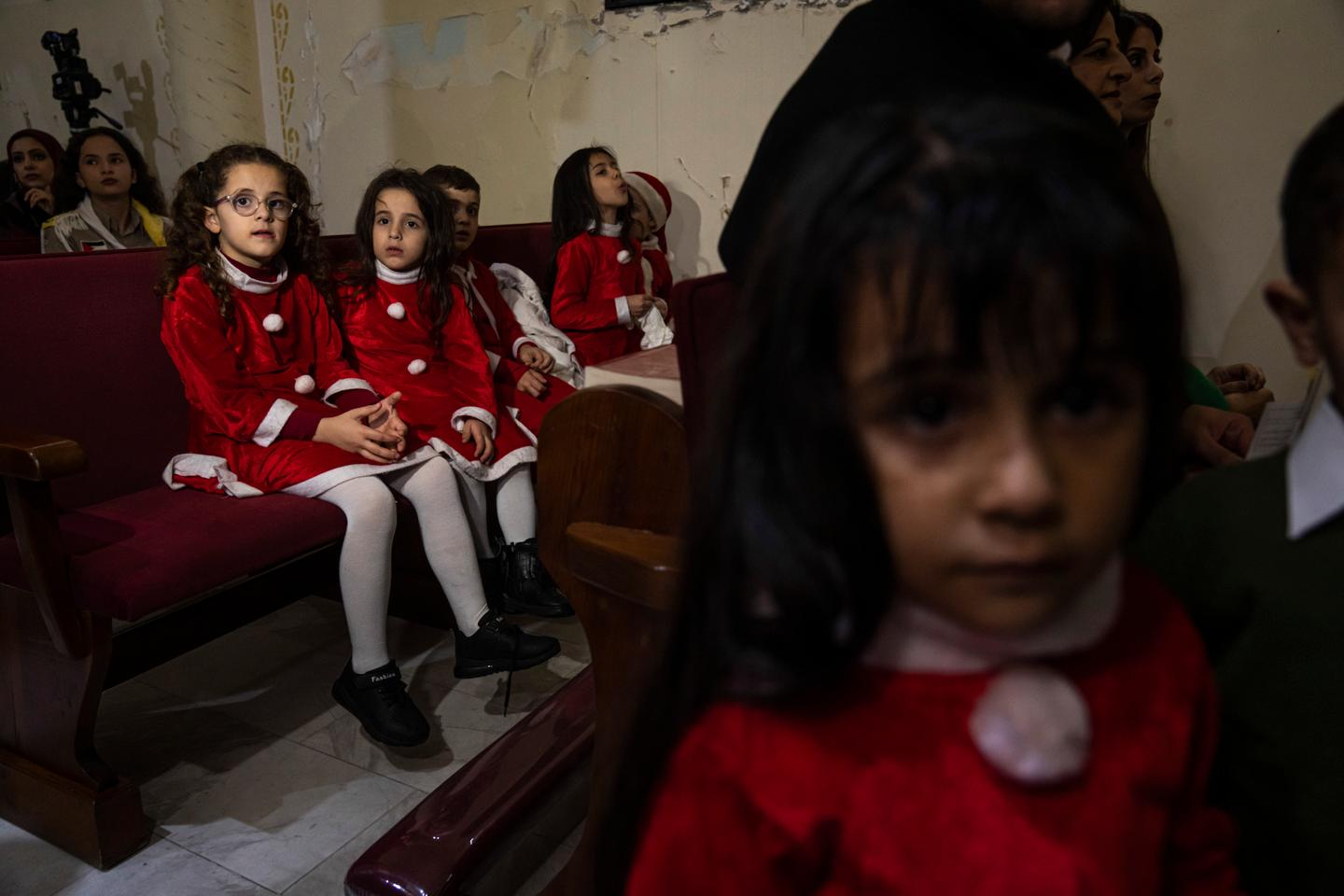
As a Palestinian Christian from Bethlehem, I watched this unfold with a deep and personal ache. My family has lived in Bethlehem for centuries. We are Palestinians, like those displaced by bombs and blockades. The notion that we are somehow apart from our Muslim compatriots is a fiction Israel has long tried to sell − often echoed by distant, reductive narratives. Yet moments of anguish like these open rare windows to speak with clarity. Palestinian Christians and Muslims are one people. We suffer together. We share the same land, the same fate, the same longing for freedom.