BEIRUT, Lebanon, Dec. 24 (UPI) -- Once hailed as the "Switzerland of the Middle East," Lebanon has undergone an infernal descent into deeply rooted corruption, financial collapse and state failure, suggesting that the country is governed by a unique model of "mini deep states" that have flourished under its sectarian and clientelist system, political and financial analysts said.
Endemic corruption, misgovernance, sectarianism, wars and political disputes have long fueled Lebanon's multiple crises.
The 2019 financial collapse -- described by the World Bank as a "deliberate depression" and the worst globally since 1850 -- was the tipping point that revealed the country's situation to be far worse than anyone had realized.
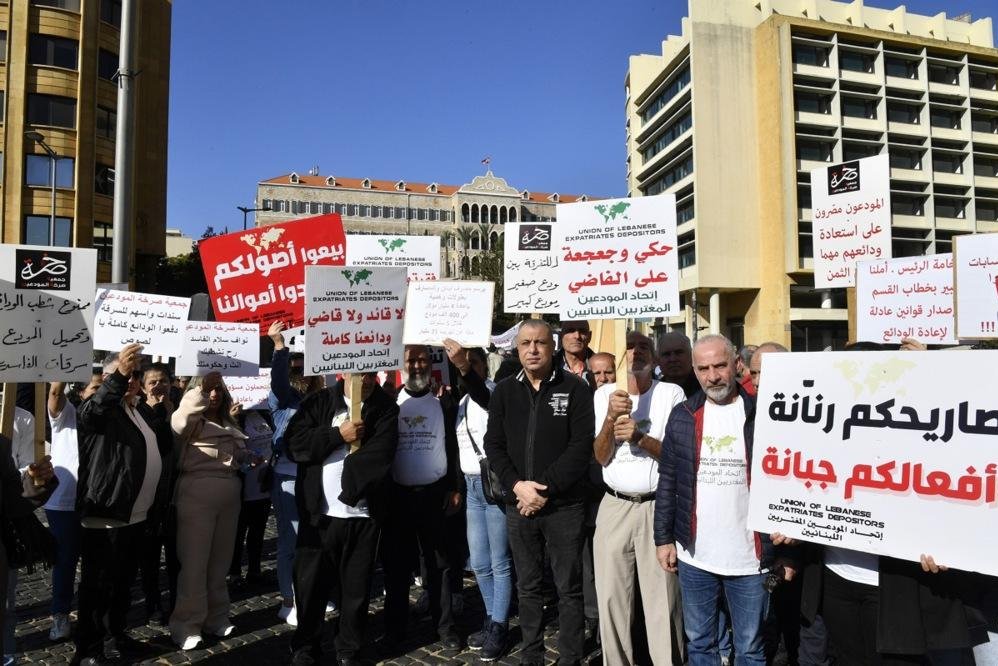
Six years later, the situation remains almost unchanged. No one has been charged or put on trial and no official has acknowledged responsibility for the crisis or the estimated $110 billion in bank deposits squandered under state mismanagement.
The first serious attempt to address the financial crisis came Friday, when Prime Minister Nawaf Salam's government presented a draft law aimed at tackling the financial system's huge funding gap and enable depositors to gradually regain access to their frozen savings -- though probably not in full.