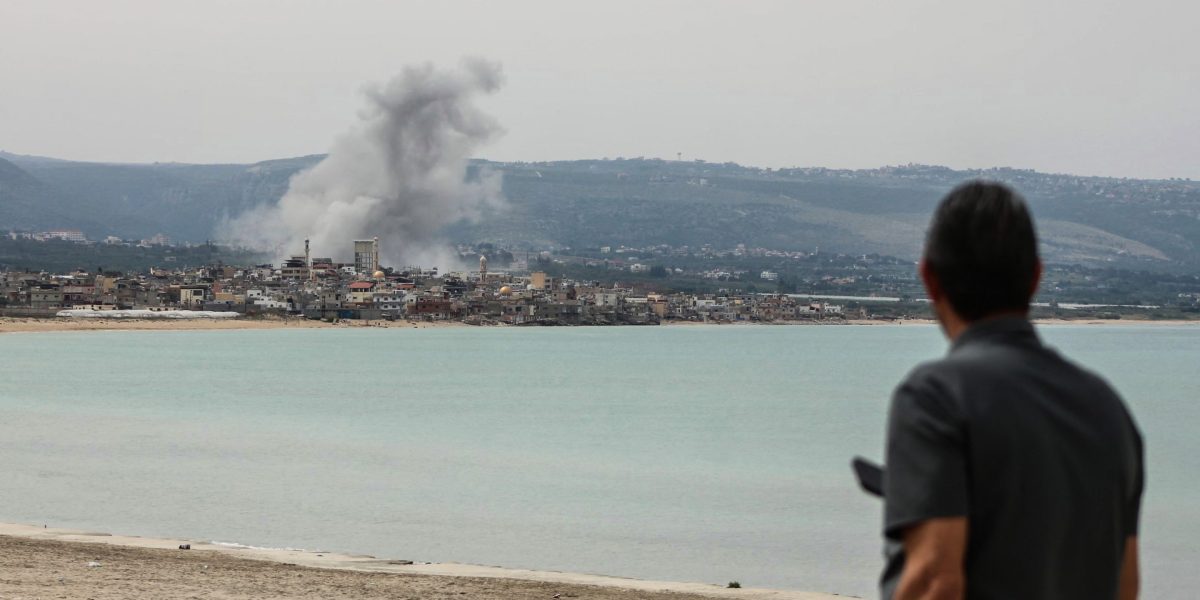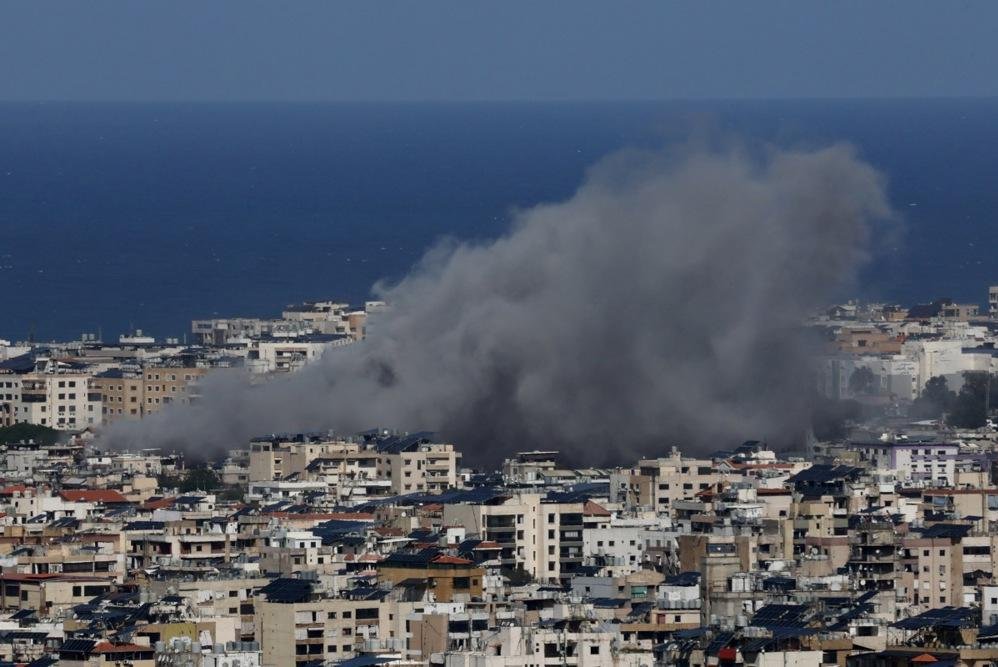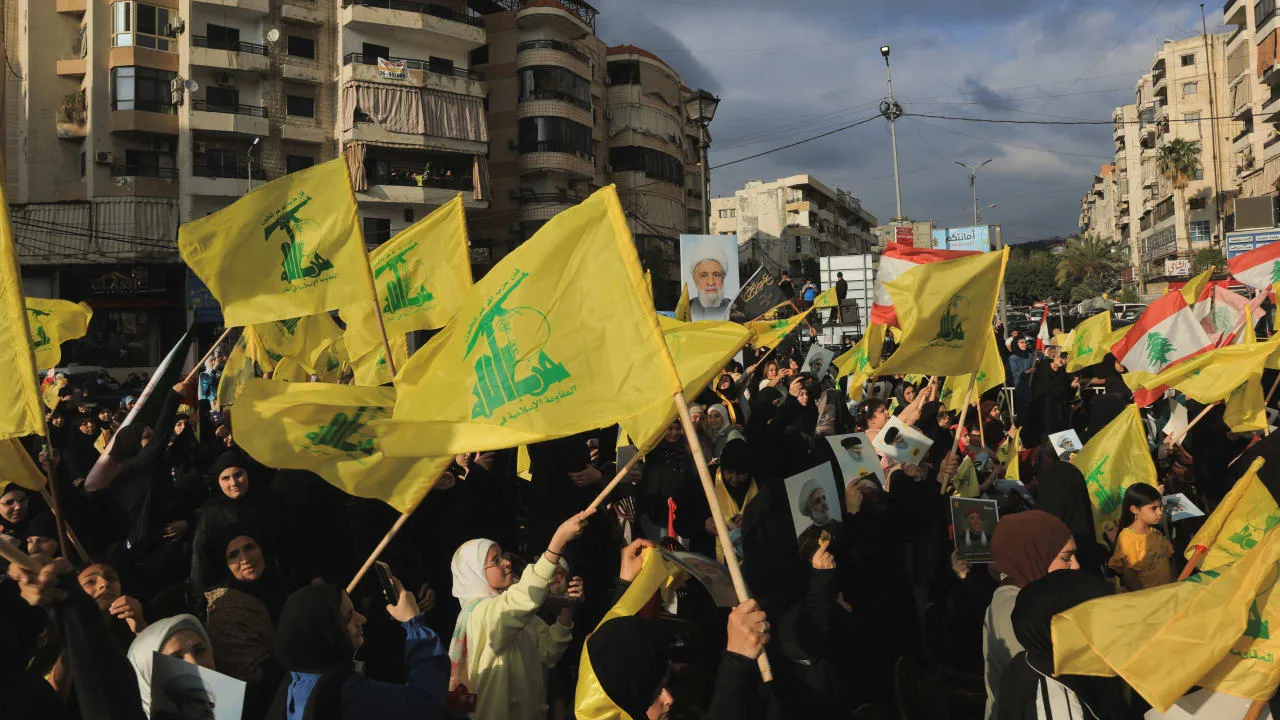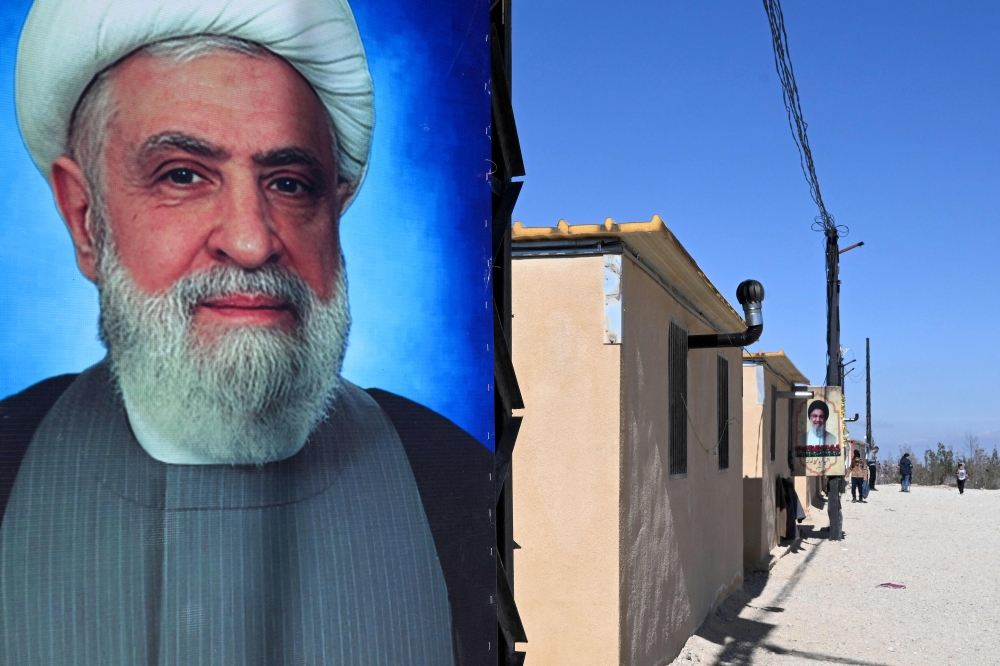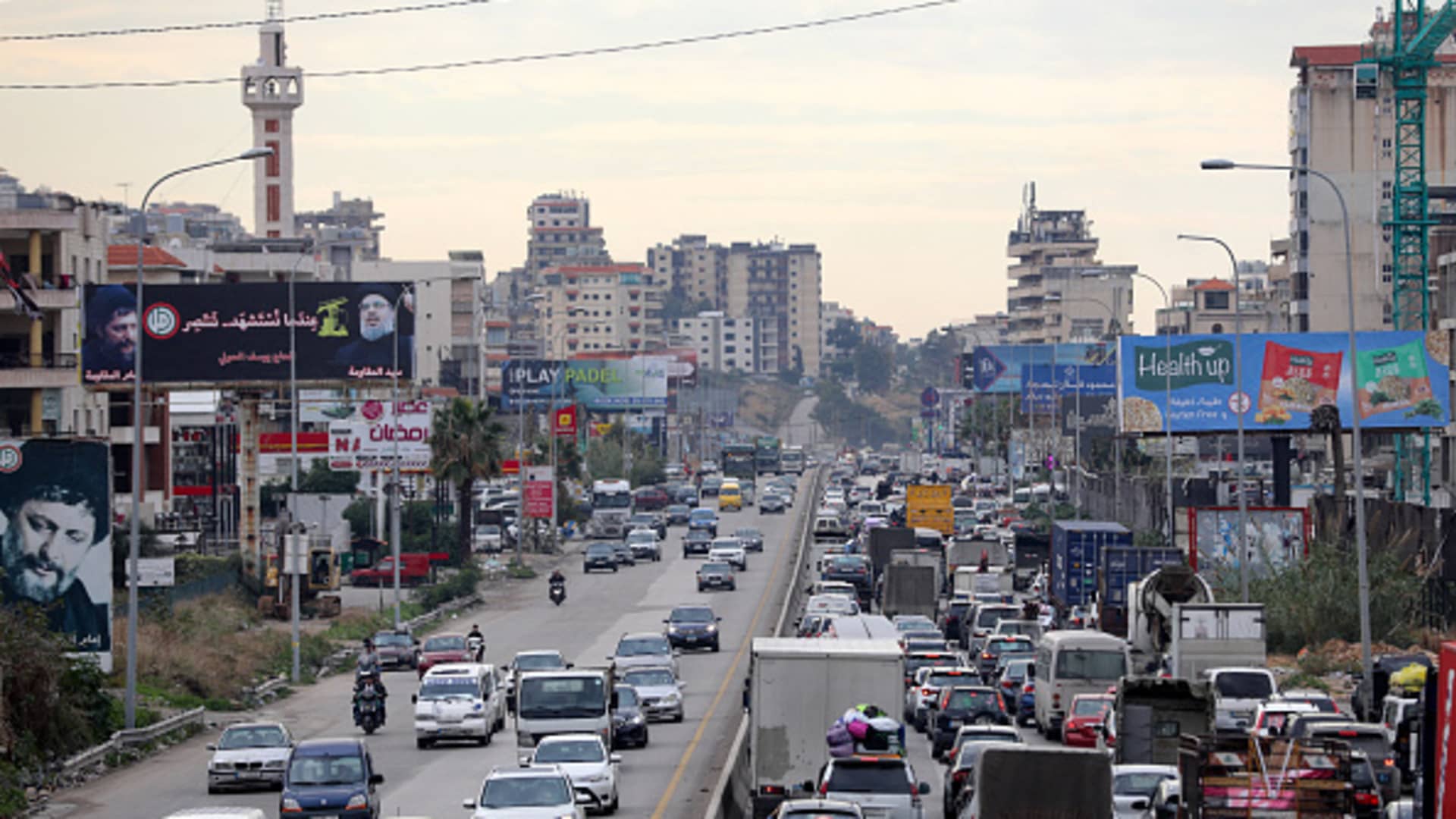
Up until a few months ago, the drive from Beirut’s international airport through the Lebanese capital city’s southern suburbs used to feature a stream of pro-Iranian and Hezbollah-themed propaganda.
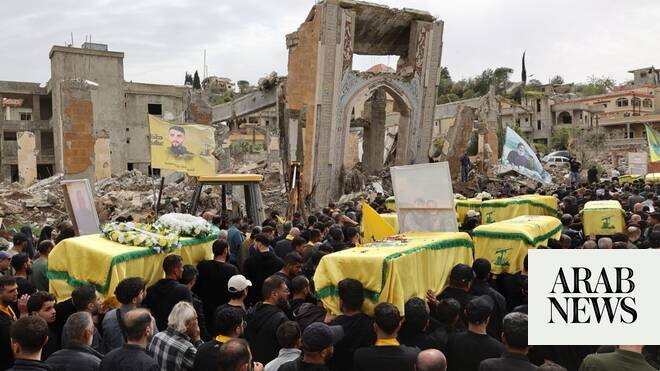
Hassan Nasrallah, the charismatic former leader of the Iran-backed group who was killed in Beirut last year, stared down at you from billboards while you drove along Imam Khomeini Road, named after the late founder of Iran’s Islamic Republic. Images of Hezbollah leaders were interspersed with dramatic murals of fallen Iranian spy commander Qasem Soleimani.
Now many of those images have been replaced with western and local brands. In June dozens of those billboards along the highway instead featured Formula One racecar driver Lewis Hamilton advertising shaving products.
Many of the new posters also feature patriotic, unifying messages that replaced the formerly sectarian signage — an attempt by Lebanon’s new Prime Minister Nawaf Salam to encourage “A New Era for Lebanon,” just in time for the summer tourism boom the Mediterranean country is hoping for after months of war.
In this “new” Lebanon, Hezbollah is being forced to operate in the shadows — more than ever in the group’s over 40-year history.