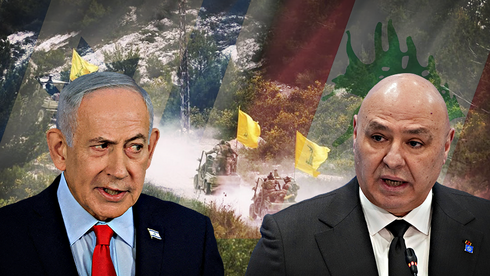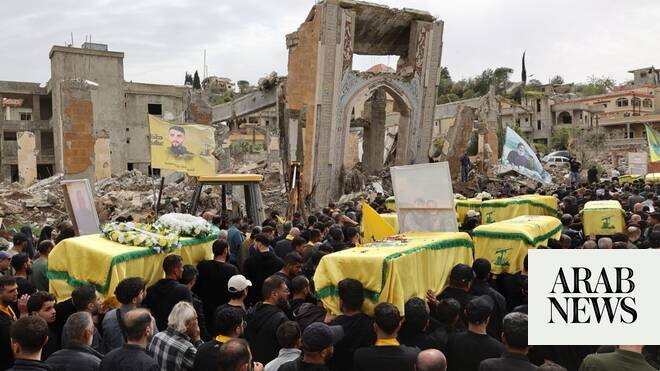
BEIRUT: As pressure intensifies on Lebanon’s new government to resolve the question of Hezbollah’s arms, it confronts a fundamental challenge: Can the Iran-backed group relinquish its military wing and become a purely political party? And if it does, will Lebanon’s state institutions and political culture prove capable of supporting such a transition?
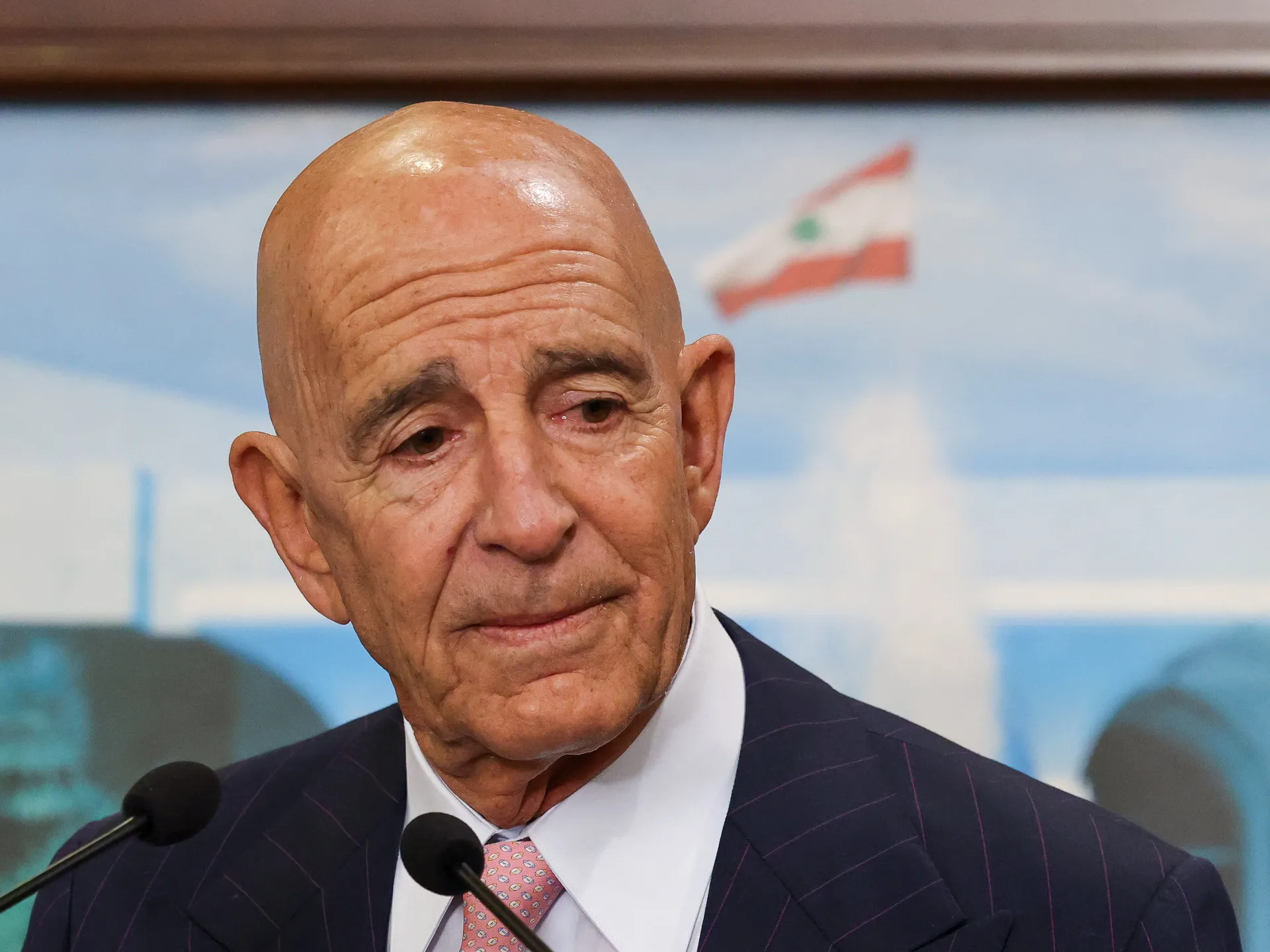
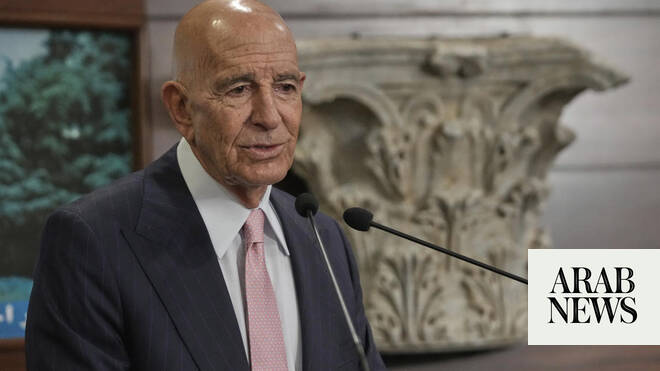
Earlier this month, Tom Barrack, the US ambassador to Turkiye and special envoy for Syria, telegraphed Washington’s growing impatience with the status quo in Lebanon in remarks to journalists following his visit to Beirut. He described Hezbollah’s disarmament as an essential condition for the renewal of international financial aid and long-term political stability in Lebanon.
As part of a proposal presented to Lebanese officials, the US offered support for Lebanon’s economic reform efforts in exchange for Hezbollah’s complete disarmament, Israeli withdrawal from Lebanese territory, and the release of Lebanese detainees held by Israel.
“If Lebanon doesn’t hurry up and get in line, everyone around them will,” Barrack said. He acknowledged what he described as a “spectacular” response from Beirut in a short time, but criticized the Lebanese political system’s ingrained culture of “delay, detour, and deflect,” saying time was running out for the country to adapt to a fast-changing regional order.