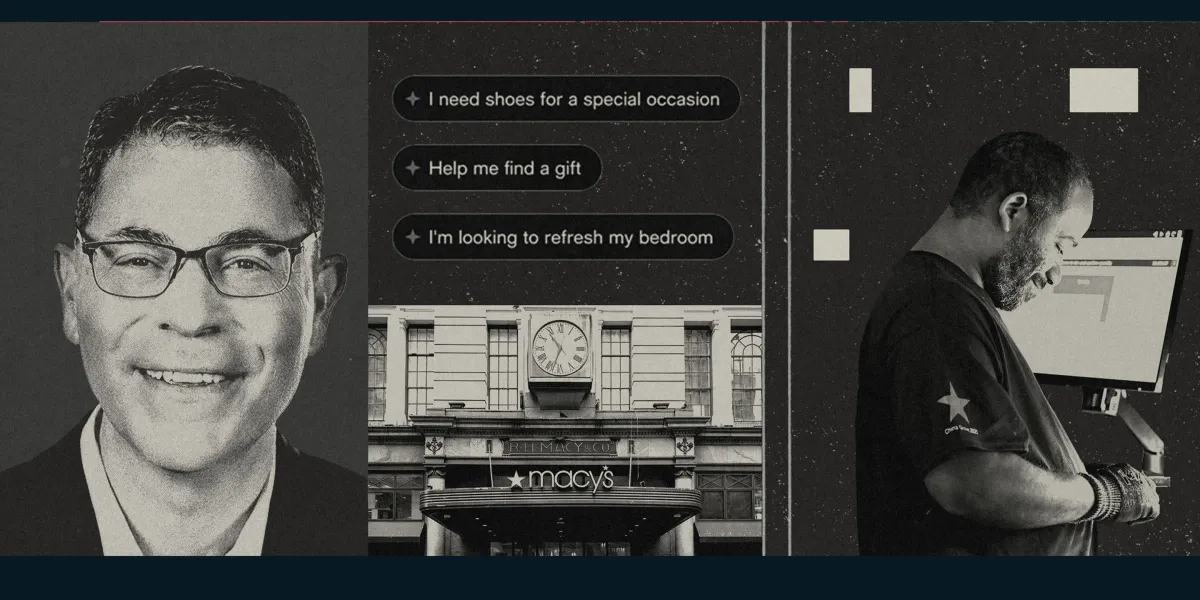
It’s shoppers like Quinn Kelsey who keep department store executives up at night.
The 38-year-old Denver resident gets makeup ideas from TikTok videos and other social media content, not salespeople at beauty counters. She uses an AI chatbot to get product recommendations that fit her budget and to see how a certain foundation or lipstick would look on her. When she buys, it’s usually from Amazon.
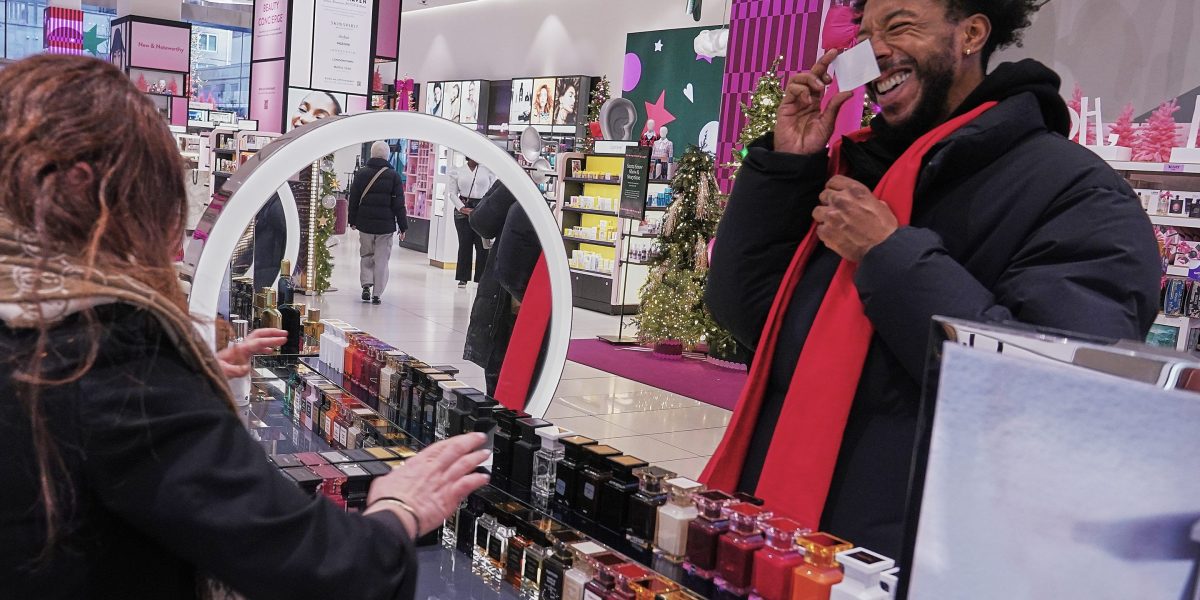
“I use Chat GPT as my personal beauty consultant,” Kelsey said. “Department stores? I’ll walk through one for the decor, but they’ve basically lost me unless I can get the same product-research experience there that I can get scrolling through my phone at home.”
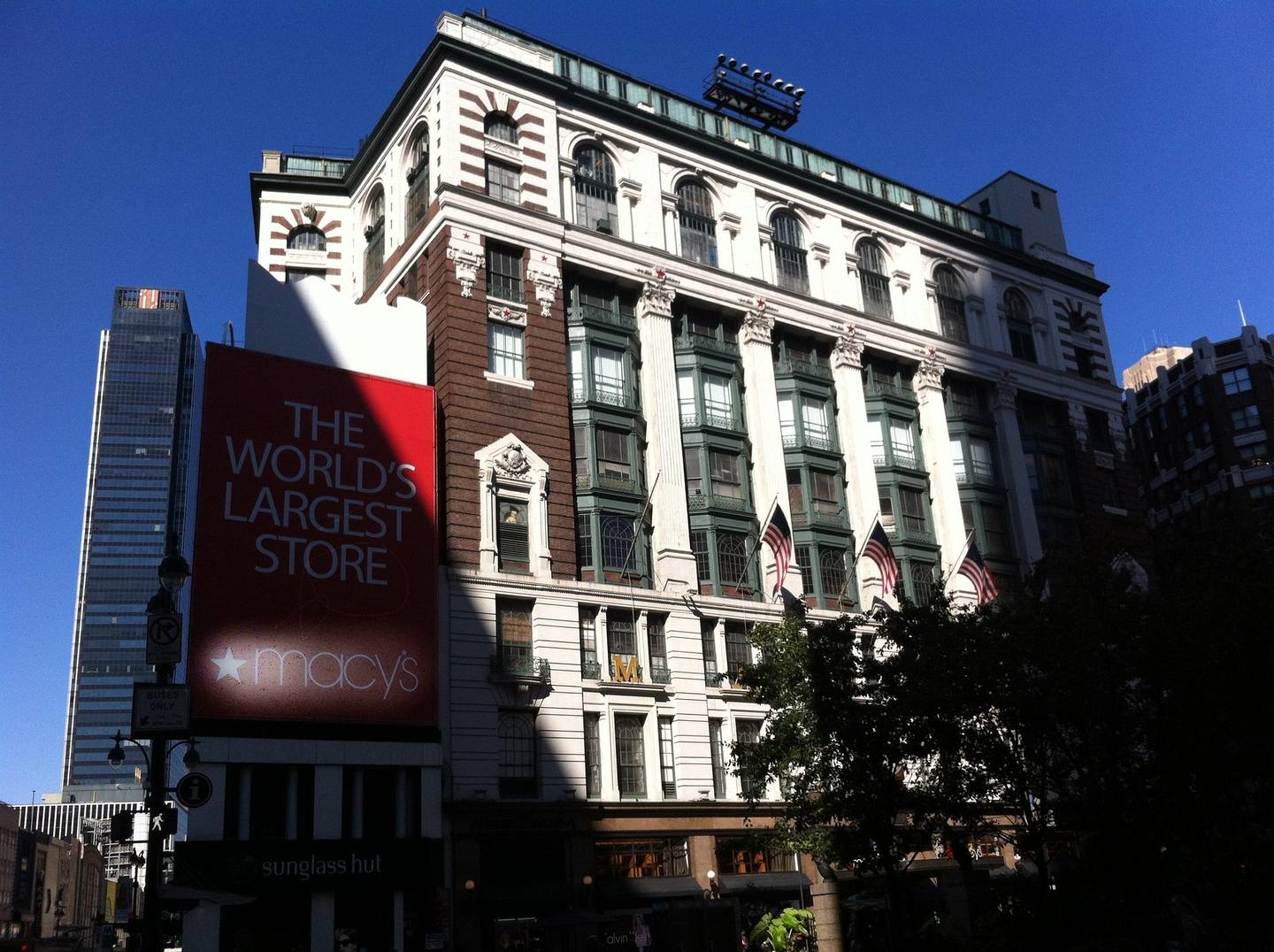
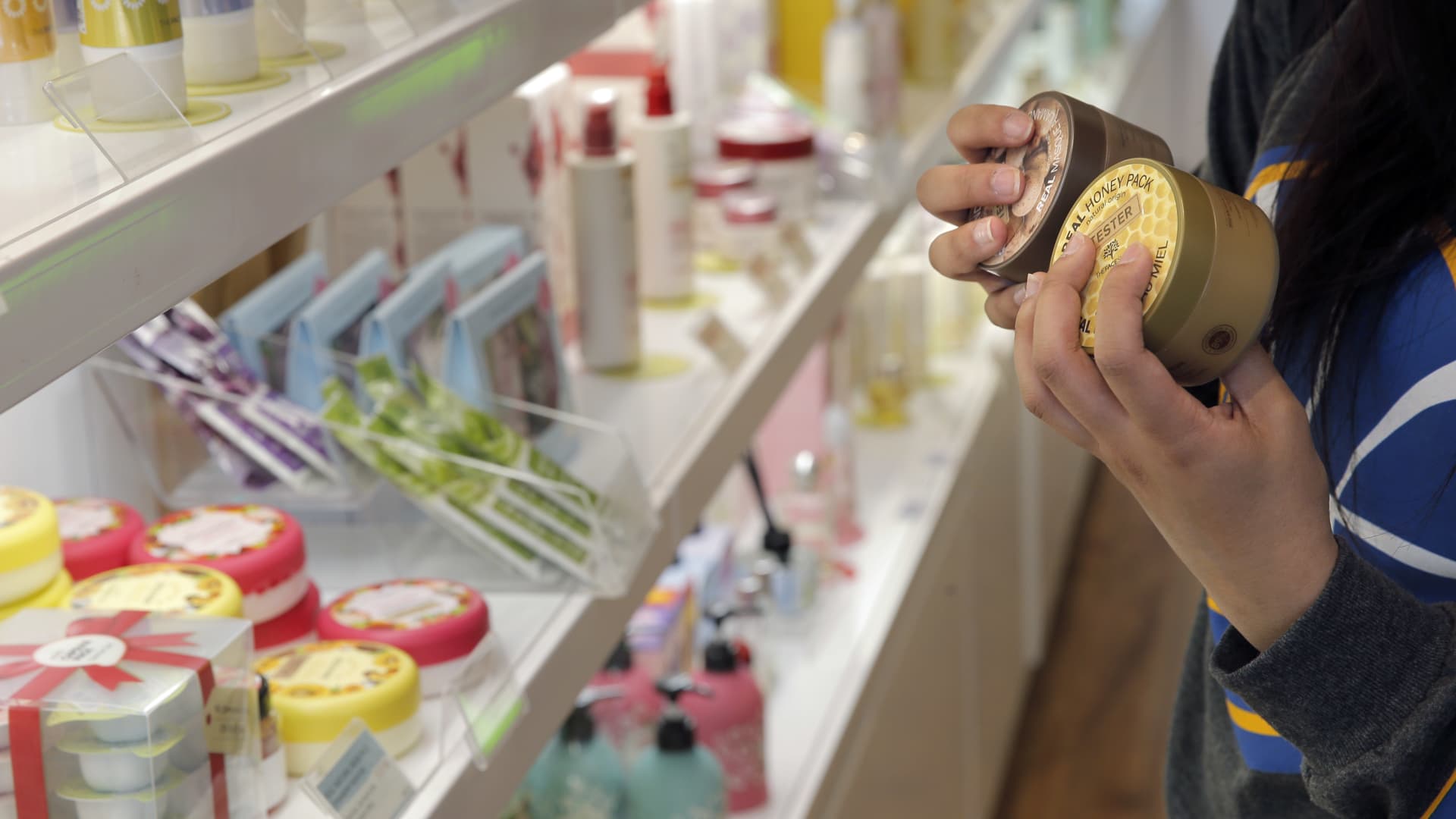
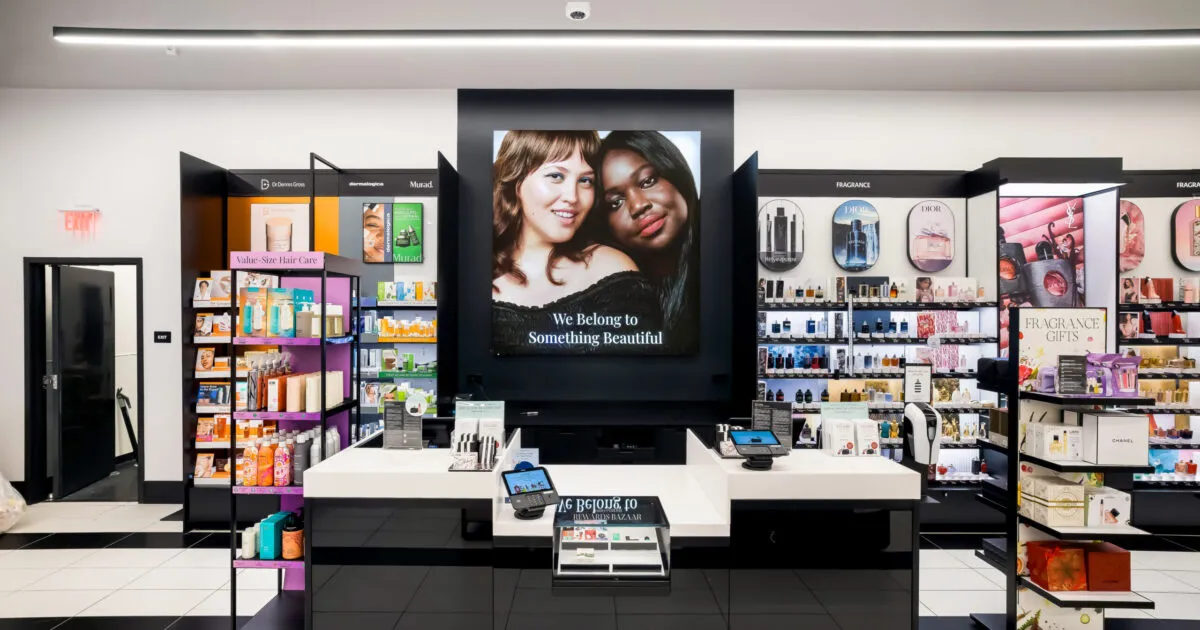
Once the ultimate beauty destination, department stores lost sales and their authority as skincare and makeup trendsetters starting in the late 1990s. That was when the growth of Sephora and Ulta Beauty made shopping for cosmetics more of a playful, self-service experience.
But fast-changing consumer preferences have all types of retailers racing to outdo each other for a slice of the $129 billion U.S. beauty and personal care market. The competition is fiercer than ever due to the ease of e-commerce. Amazon, which has slowly added premium beauty brands to its massive selection, is the nation’s largest online seller of beauty and personal care products, according to market research company Euromonitor International.