The Danish postal service has announced it will cease deliveries from 30 December after 400 years. Eventually, other countries may go down a similar route
P
redictions of the demise of letter writing are not new. The invention of the telegraph and the rise of the postcard were both seen as potential threats to a more leisurely, reflective form of communication. Yet by the close of the 20th century, more letters were being sent than ever, as social correspondence began to be supplemented by a boom in business mail.
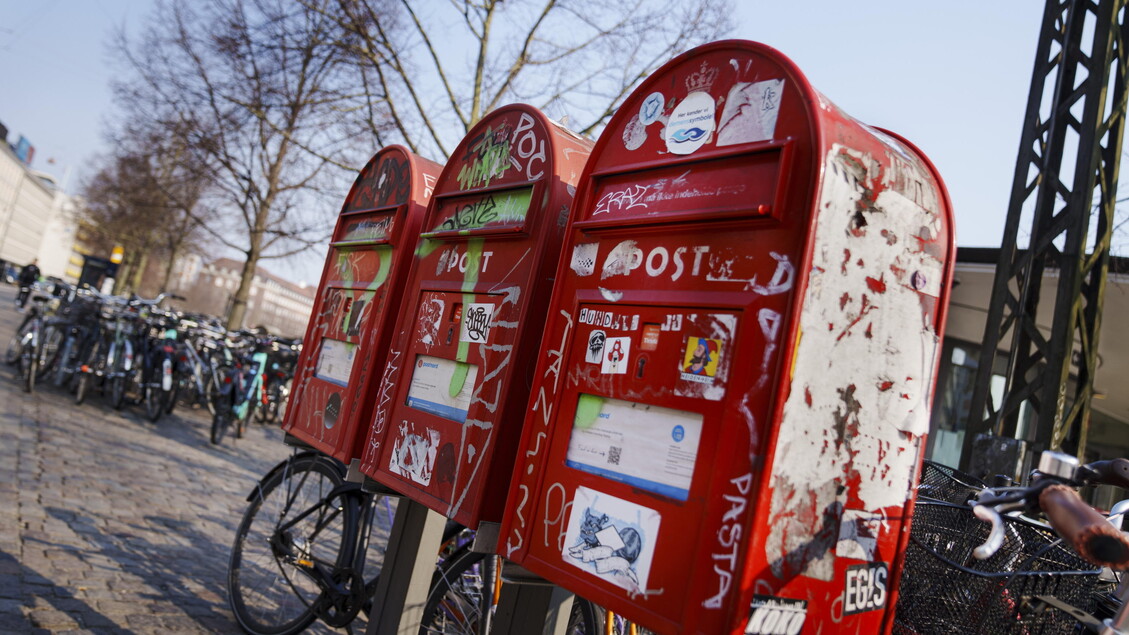
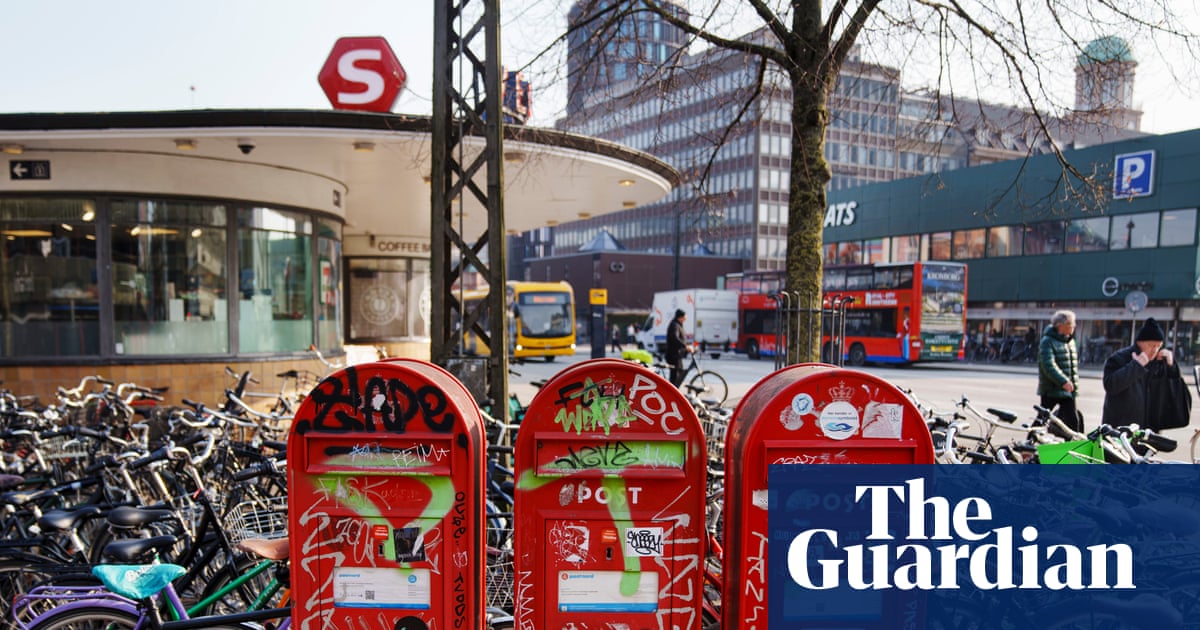
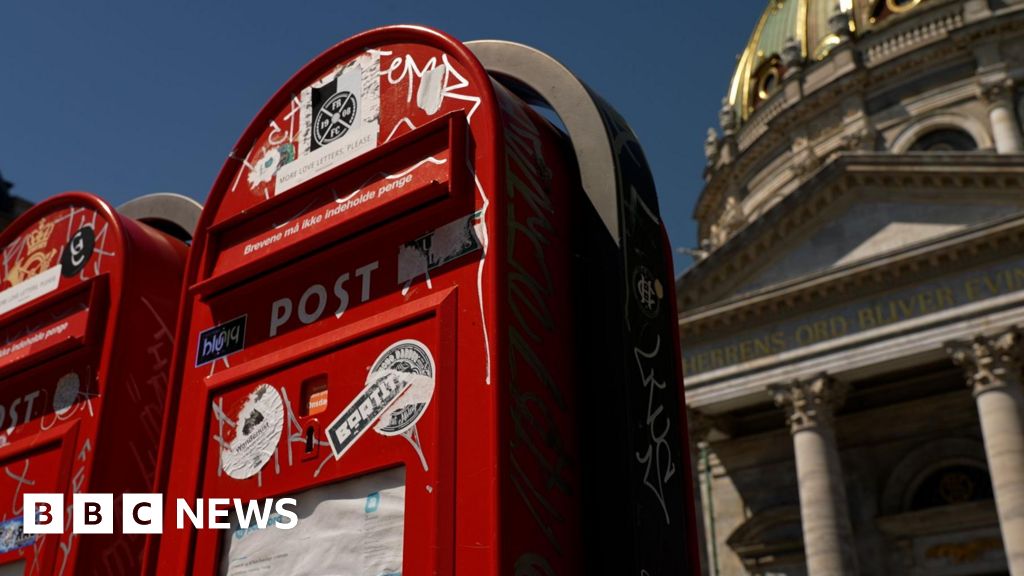
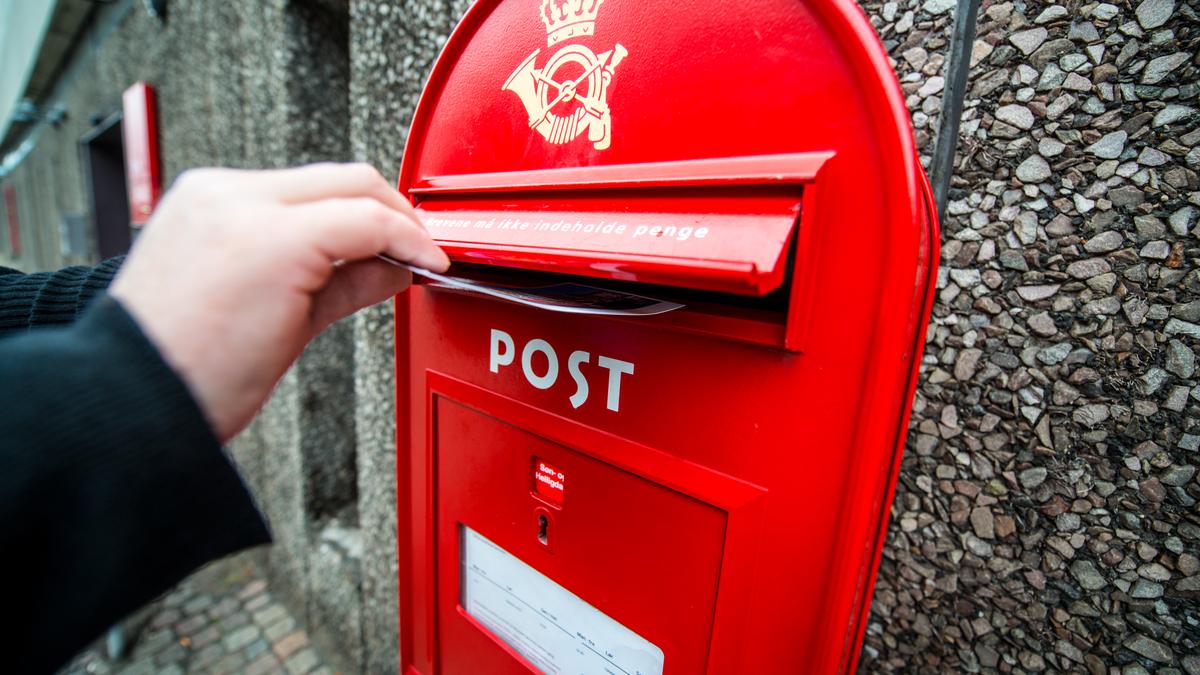
From Europe’s most tech-savvy society, however, comes ominous news. As of next week, Denmark’s state-run postal service will end all letter deliveries after doing the rounds for 400 years. Around 1,500 jobs are being cut, and the country’s beloved red letterboxes are being sold off. It will still be possible for Danes to send a card or a love letter to someone far away next Christmas, but only via the shops of a smaller private company or a costly home collection.
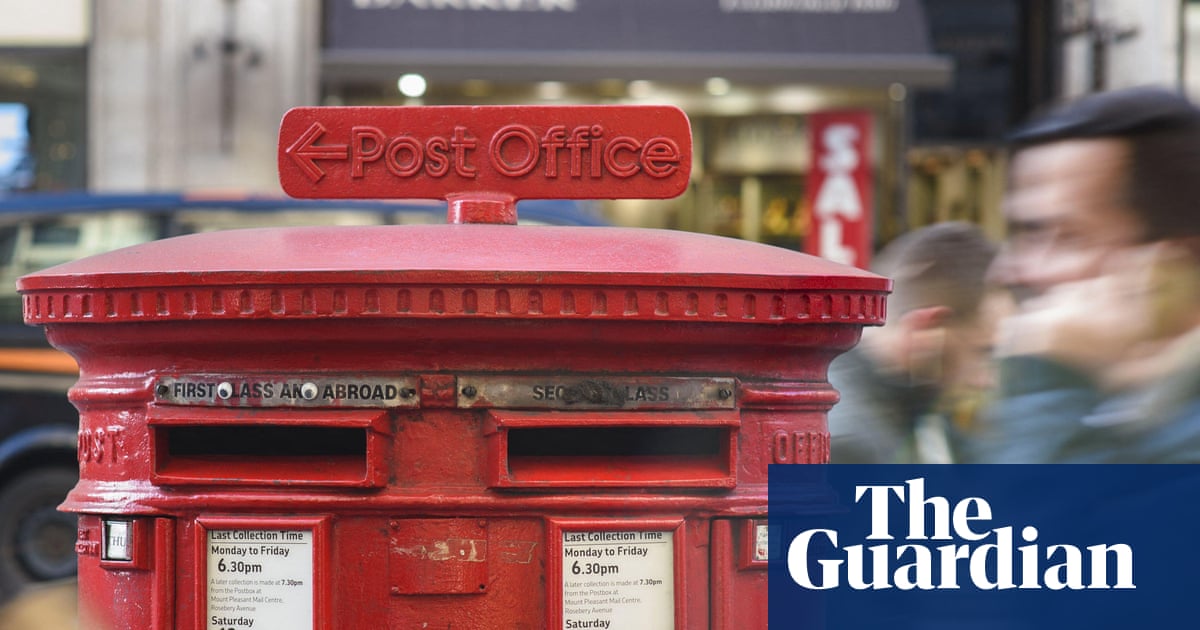
Few industry observers doubt that other nations will eventually go down similar routes. To the dismay of the French public, La Poste has started to remove some of its postboxes, while Germany’s Deutsche Post is cutting thousands of jobs. In Britain, second‑class services have been reduced and letter volumes continue to drop, after falling from a peak of 20bn in the mid-2000s to 6.6bn in 2023-24.