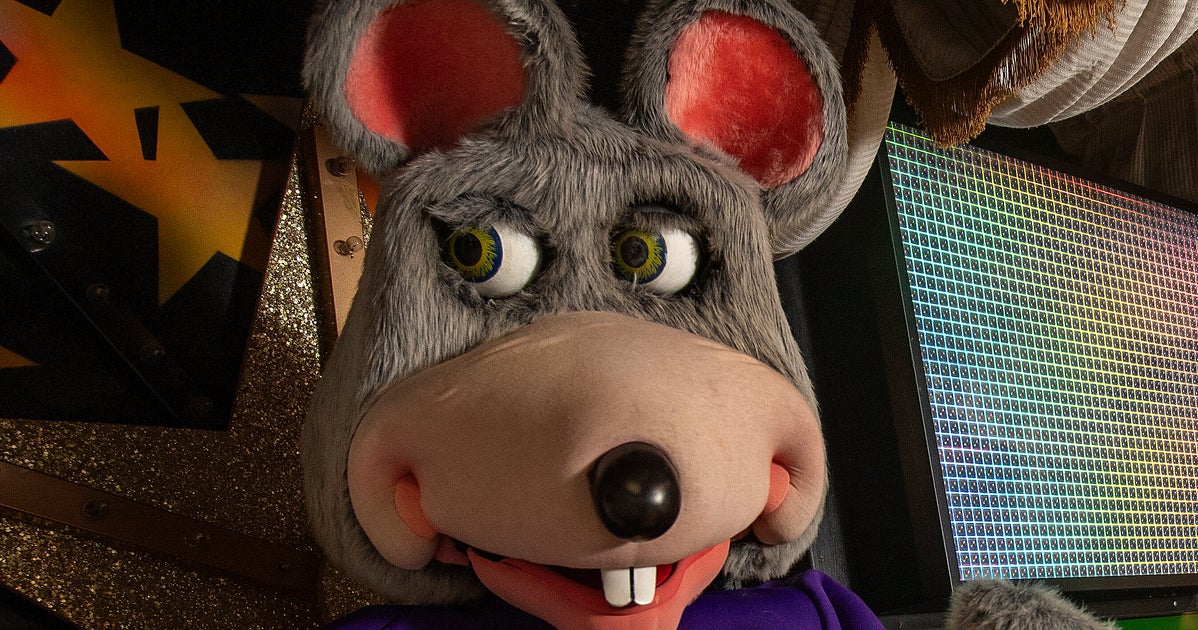
In October, I celebrated my daughter’s third birthday at the Junior Casino: Chuck E. Cheese in Metairie, Louisiana. Like any toddler, my daughter insisted on using her card and trying every game, even if the controls were too tall and her feet couldn’t reach the pedals.
Predictably, she’d stay locked in for the first 15 seconds, then hop to the next game with her dad while I tried to “get our money’s worth” — which is how this grown woman ended up fully committed to a toddler arcade challenge.
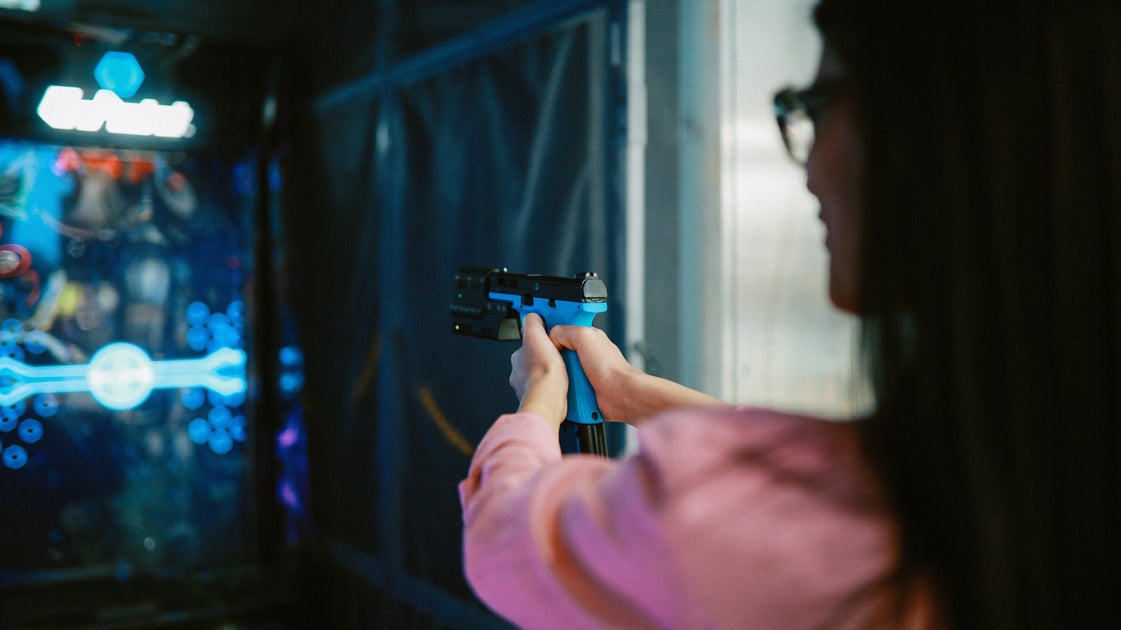
Insert me, 5’10”, on my knees, shooting crabs, aiming at their little plastic bodies. Each blast of air earned points. The faster I pushed them back, the more I scored. Then the game stopped.
As I backed up, I could feel the adrenaline spike that pushed me, a proud anti-gun American, to empty my “clip” on plastic crustaceans. I was all in. My brain craved more.
Then it hit me: The machine wasn’t neutrally fun. The lesson came through loud and clear: This game was a cleverly designed lesson about power. It was dopamine served in short, violent bursts.