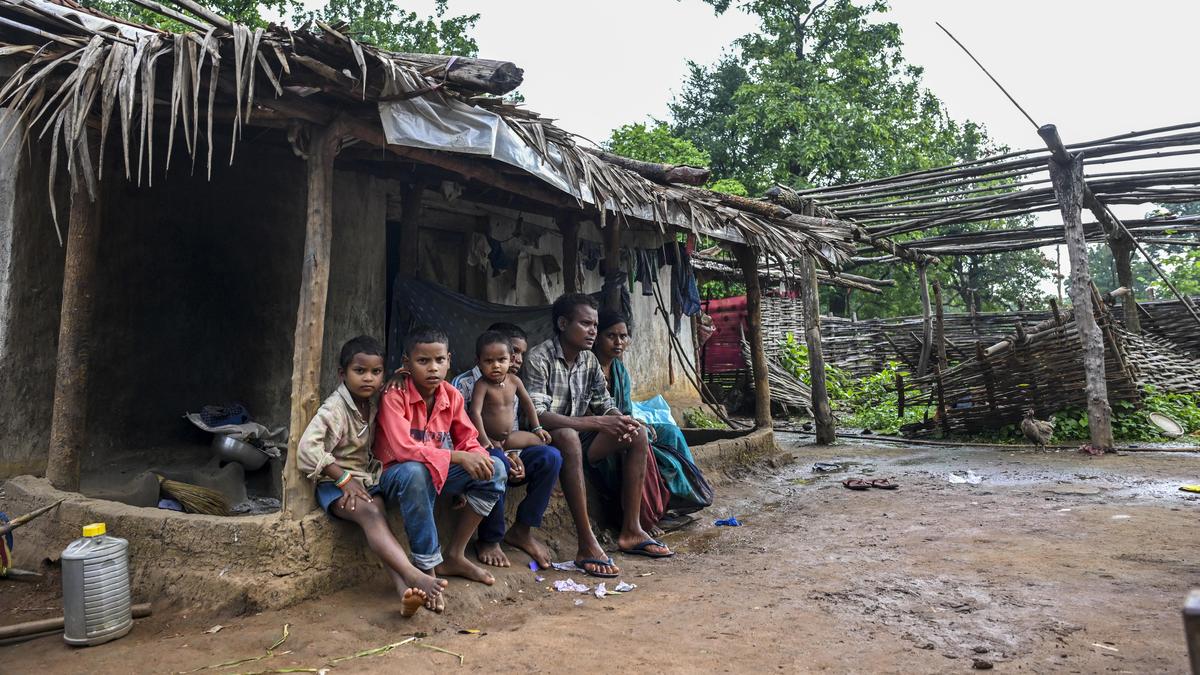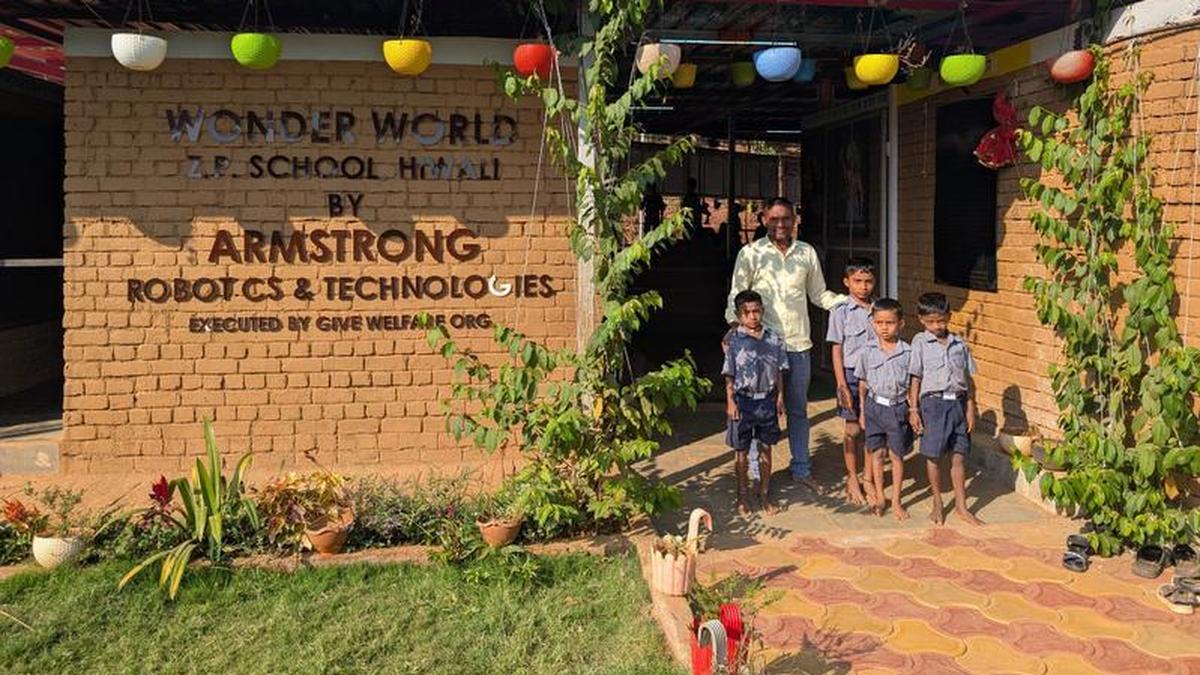
Six-year-old Ananya Gavit can write with both her hands, read English textbooks meant for sixth graders and recite articles from the Constitution of India. Like her, 59 children who come to the Zilla Parishad School in Hiwali, a remote tribal hamlet in Maharashtra’s Tryambakeshwar taluka in Nashik district, find second home here. They are protected from seasonal migration. The school runs 365 days of the year, 12 hours a day, providing two meals to all the enrolled children. There are no weekends, no public holidays. The teachers come every day, so do students, many from as far as 22 km. In fact, one parent from a tribal district which is over 110 km away from this school, has taken a room on rent in the hamlet to ensure education for his child. The dropout rate is zero, prides the school. The focus is on activity-based, experiential and hands-on learning, with an emphasis on vocational training, agriculture. The children are also prepared for competitive examinations.
The impact of the school and the attention it has garnered, has led to the transformation of the entire village. Hiwali has been declared as a zero-addiction village by the Zilla Parishad. Villagers have started community programmes. They have started sending all their children to school. The nameplate on each house now has the name of the daughter. So far, teachers from 128 schools from Nashik have visited this tribal school to emulate the model.