RIYADH: Saudi Arabia’s land tells stories written beneath the feet. From fertile plains and rugged highlands to vast deserts, the Kingdom’s diverse landscapes shape what can grow, where it grows, and how agriculture can thrive.
Alongside geography and climate, soil conditions play a decisive role in agricultural success. Understanding soil types across the Kingdom helps determine which crops can flourish and what interventions may be needed to sustain them.
In an interview with Arab News, Turki Almutairi, a senior environmental specialist at the National Afforestation Center under the National Center for Vegetation Cover Development and Combating Desertification, outlined the main soil types found across Saudi Arabia.
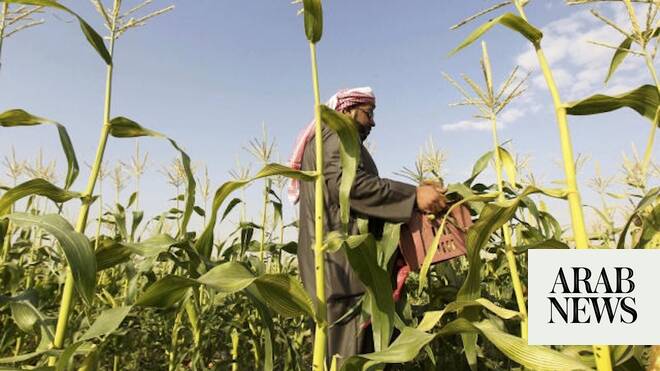
High amount of salt makes the soil unfit for the production of most crops, even if the soil is fertile. (Supplied)
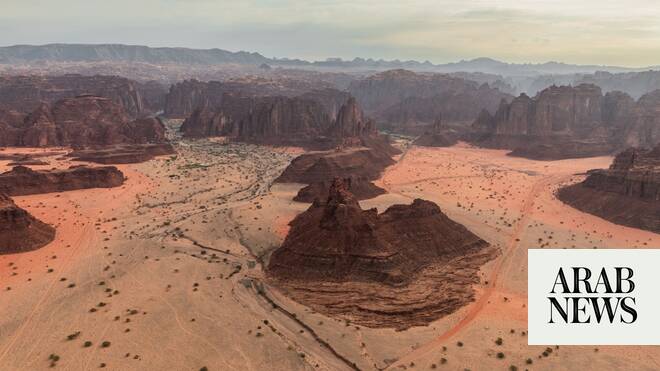
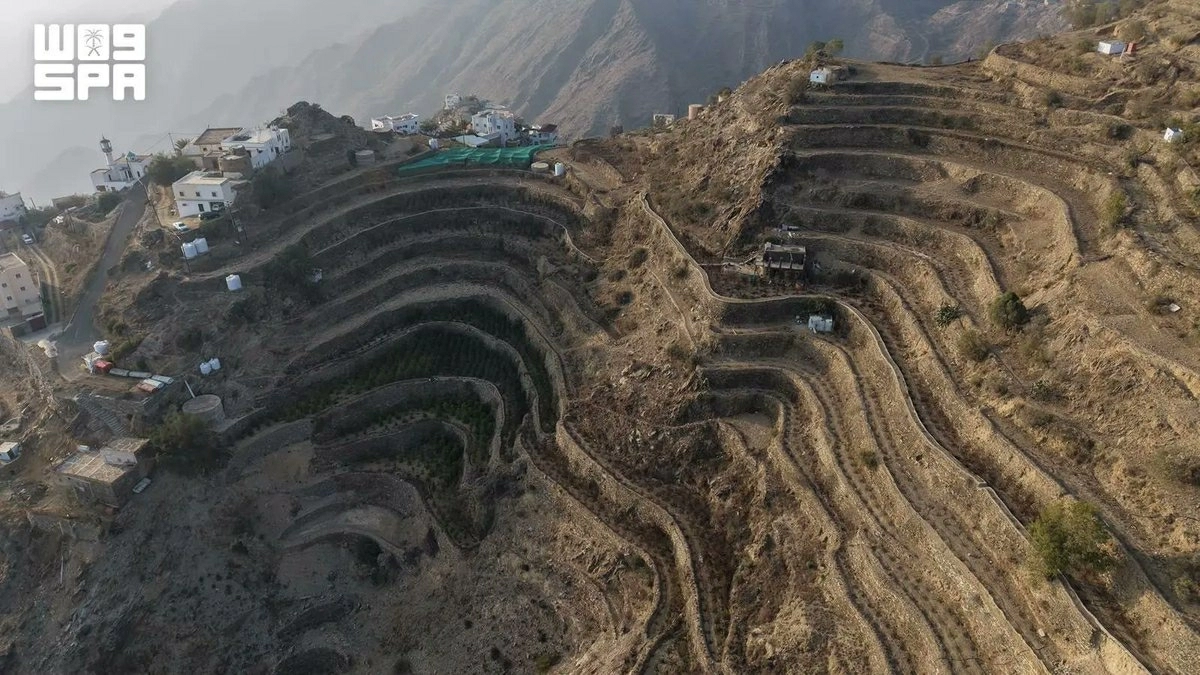
“The dominant soil in the Kingdom are sandy desert soils, alongside calcareous soils in the central region. Rocky and stony soils are present along mountainous and hilly landscapes,” he said.