Analysis suggests consumption at Northumberland site could be 50 times higher than US operator QTS estimates
The UK’s largest proposed datacentre is understating the scale of its planned water use, according to an analysis.
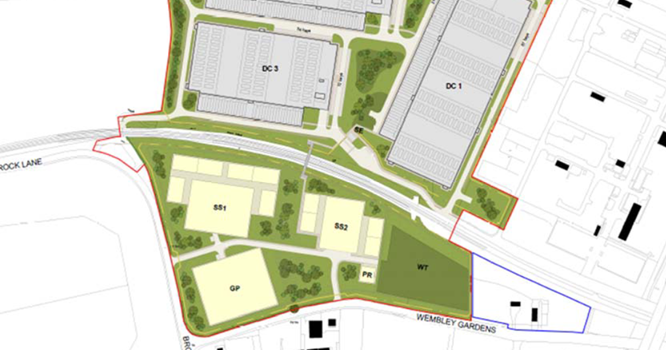
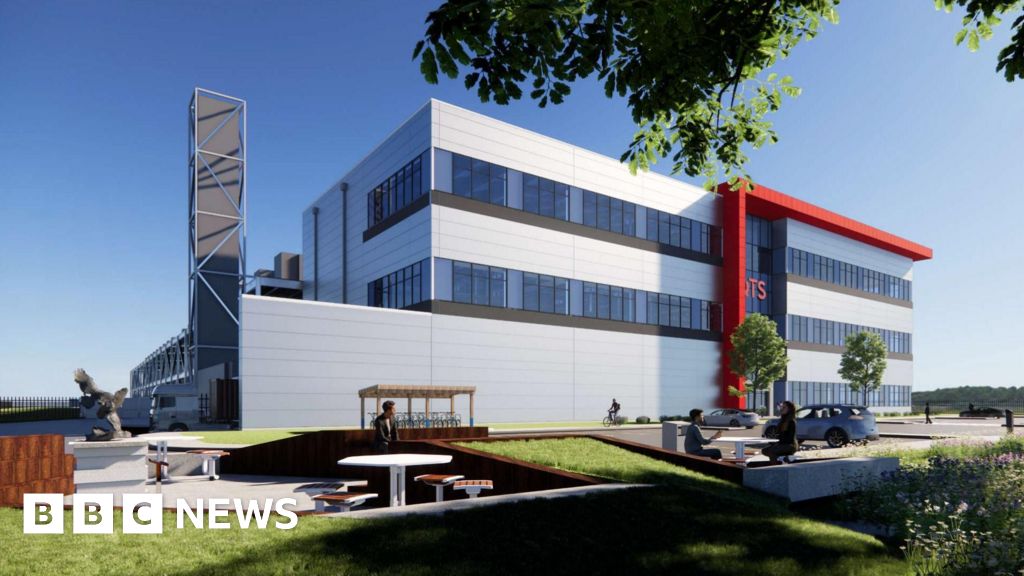
The first phase of construction for the hyperscale campus in Cambois in Northumberland has been given the go-ahead by the local council. The US operator QTS, which is developing the site, has promoted its “water-free” cooling system as proof of its sustainability.
But research published this week calls that claim into question. A study of the power and water footprints of AI production by the data scientist Alex de Vries-Gao highlights the underestimated scale of indirect, or embedded, water consumption caused by datacentre operations.
QTS estimates the two initial data halls will consume 2.3m litres of water annually, according to documents it submitted to Northumberland county council. Yet applying De Vries-Gao’s methodology to the electricity generation required for the site’s AI servers produces a figure more than 50 times higher, at 124m litres a year, according to analysis by Watershed Investigations and the Guardian.