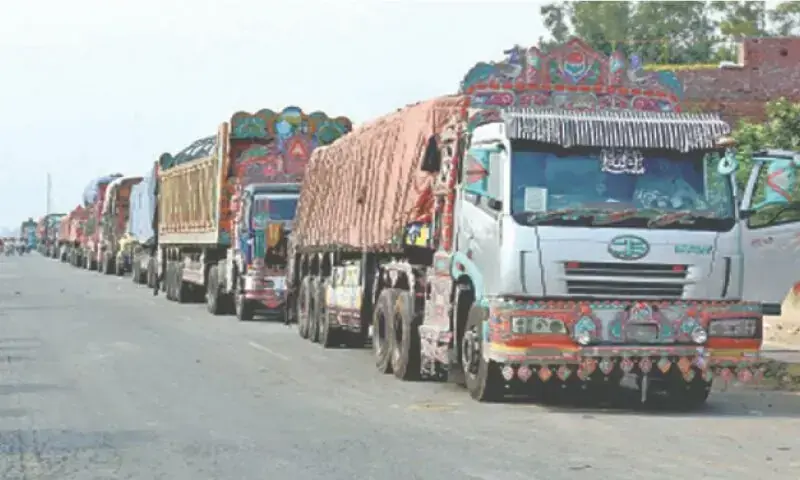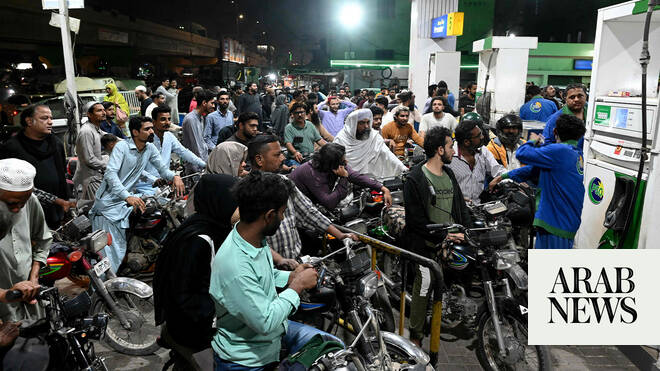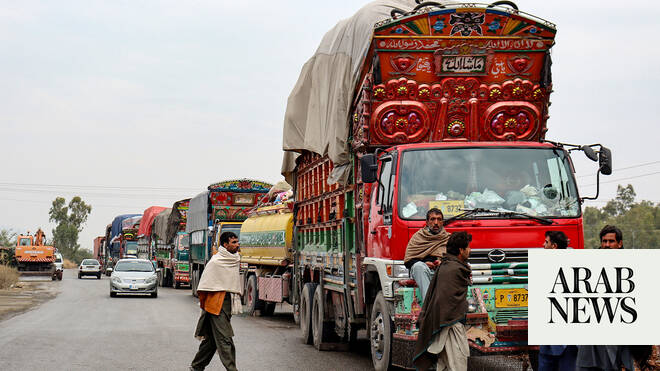
KARACHI: Pakistan’s ongoing transportation strike has the potential to cause economic losses of up to $1 billion and threaten macroeconomic stability in the country, a leading economist warned this week.
Transport unions have been protesting against stricter enforcement of axle-load limits — legal caps on how much weight trucks can carry — as well as increases in toll taxes and what they describe as heavy-handed policing on highways and motorways.
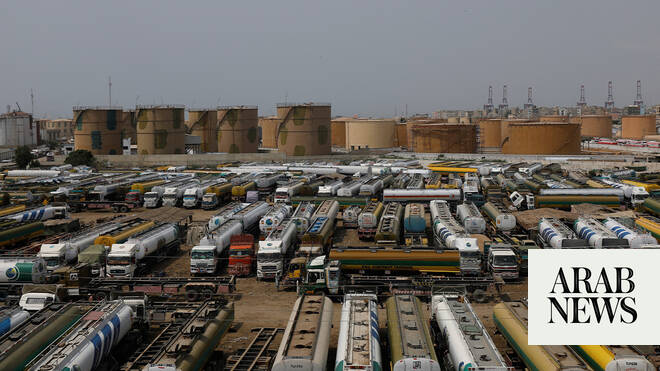
The strike, which began on Dec. 8, is now in its tenth day. It has slowed the flow of goods between ports, industrial centers and markets, raising concerns over supply chains in an economy heavily reliant on road transport for domestic trade and exports. Trucking is the backbone of Pakistan’s logistics system, moving food, fuel, raw materials and manufactured goods.
“We are expecting a tremendous impact of the ongoing transportation strike,” Ahsan Mehanti, CEO of Arif Habib Commodities, told Arab News on Tuesday.
“I believe that the major impact could be to the tune of $1 billion. And the reason behind that is primarily Karachi being a business hub will be most impacted with the ongoing strike.”