A
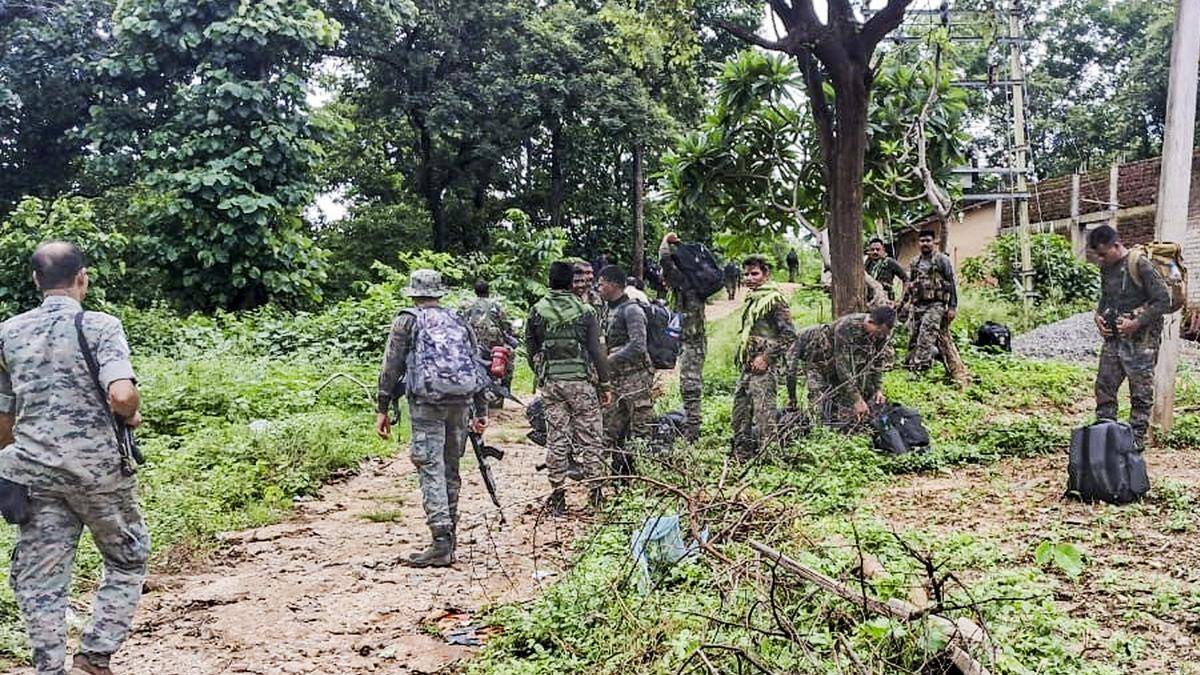
key element missing in the dominant discourse around the evolution and growth of the Maoist movement is governance. An overwhelming volume of empirical literature accounts the rapid growth of the Maoist movement in the 1990s and early 2000s to underdevelopment, and structural socio-economic issues. This is evident from the scores of official, non-official and scholarly articles which have attempted to study the “root causes” for insurgency in central and eastern India (popularly called the Red Corridor). These articles have argued for an accelerated development push to address the acute material needs of an impoverished population which includes many vulnerable tribes. As a result of these articulations, the Indian state has been relying on a “two-pronged” approach (combining security and development) to counter the Maoist threat.
This does not mean other factors such as governance, justice redressal and other issues have been completely neglected in the official discourse. On several occasions, policy makers and official reports have sought to bring attention to creating good governance frameworks and quicker justice redressal mechanisms to address the long-standing grievances of the affected population. But there has been little effort to understand the governance challenges that intensified the Maoist insurgency in different cycles.