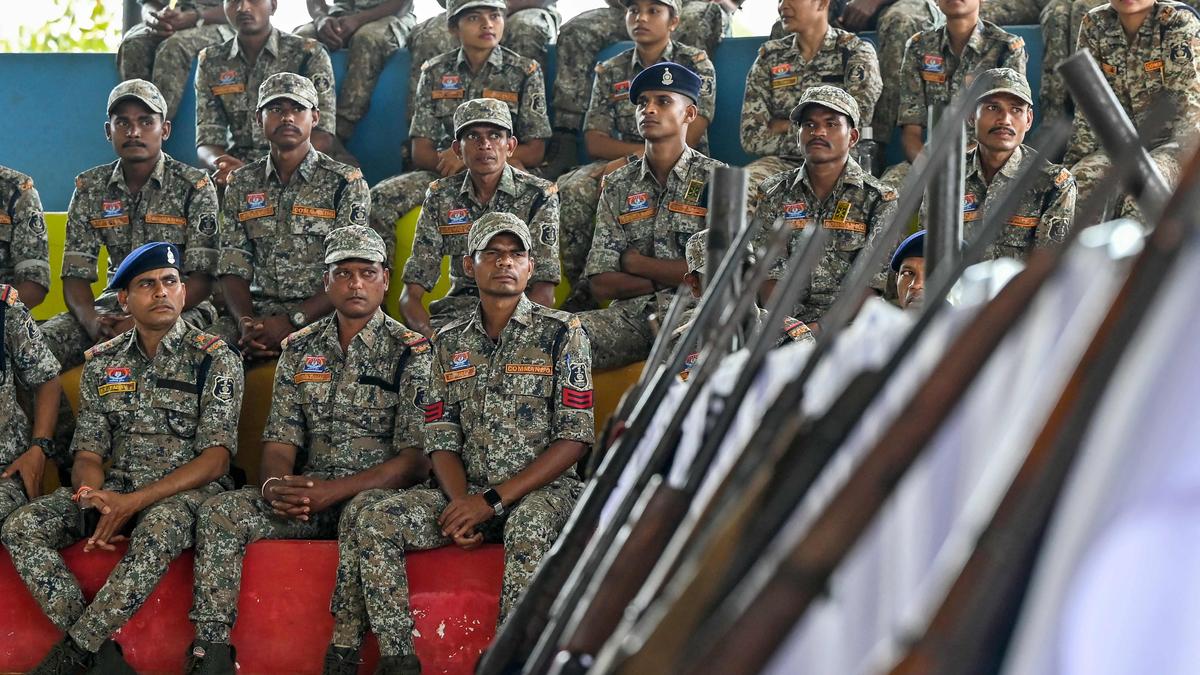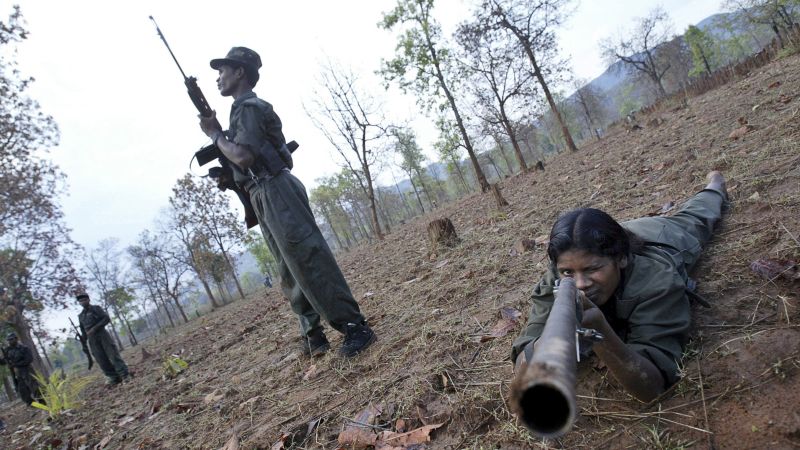
Once considered a formidable internal security threat, Maoist insurgency has shrunk from controlling the vast Red Corridor to just 18 districts of the country. The underlying factors are not only the targeted development schemes and sustained counterinsurgency operations, but also internal rifts, ideological rigidity, leadership crises, and alienation of support base, according to security experts and the surrendered members of the outfit.
At its peak in the late 2000s, the Red Corridor spanned nearly 180 districts, encompassing a large part of India’s population. However, official statistics shows the scale of decline: the incidents of Left-Wing Extremism dropped by more than 50% between 2004-14 and 2014-23, with fatalities falling by nearly 70%. Naxal-related violence had peaked at 1,936 incidents in 2010, but plummeted to 374 by 2024, while deaths dropped from 1,005 to 150.
A close examination of Dandakaranya by security experts – a forested expanse covering parts of Chhattisgarh, Odisha, Andhra Pradesh, and Maharashtra that was treated by Maoists as their de facto capital for over two decades – indicated some possible reasons behind their waning influence.
As disclosed by several surrendered Naxal leaders, the outfit prioritised military preparedness and ideological indoctrination over any tangible development in the regions it controlled, and the very communities which it claimed to be championing suffered.