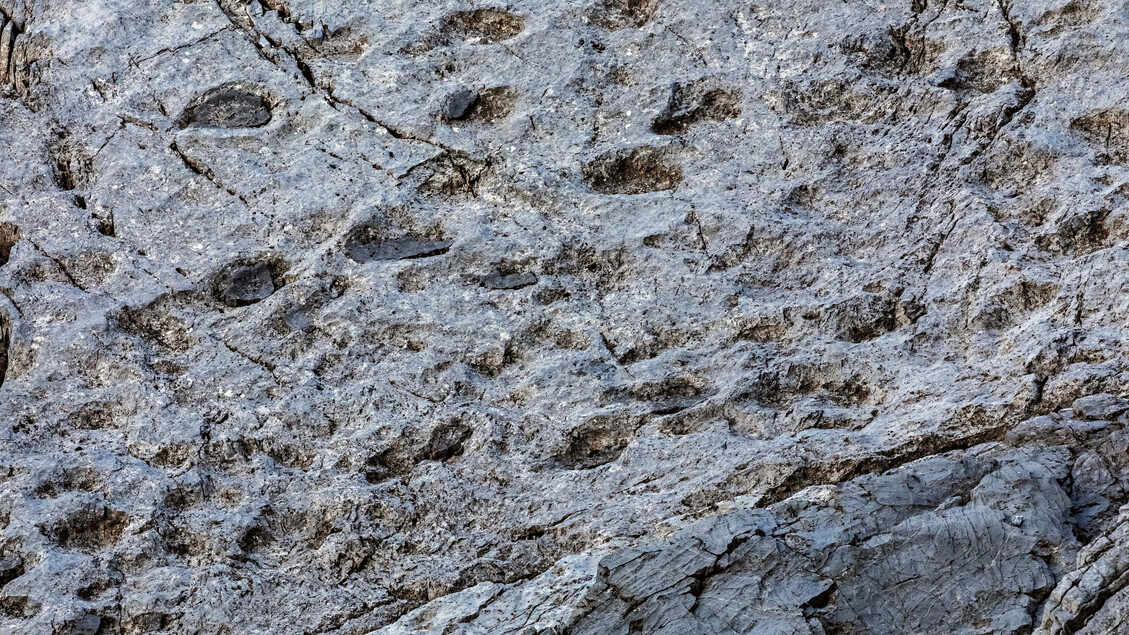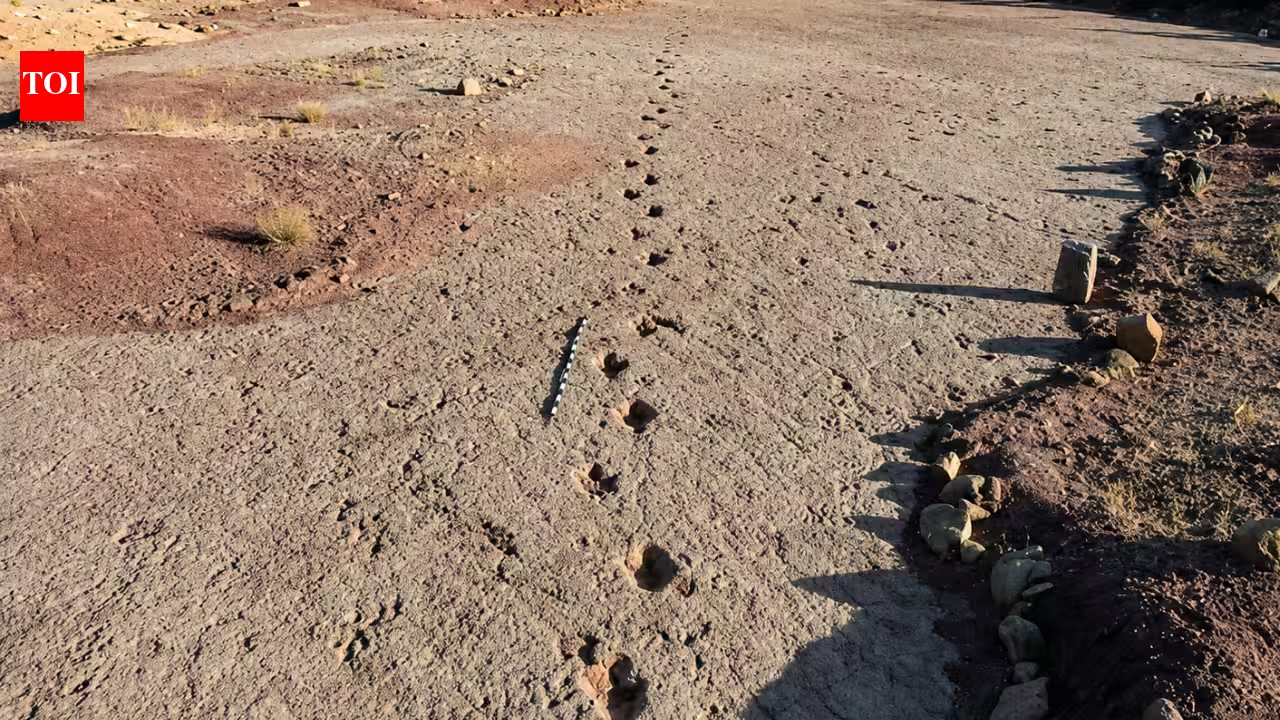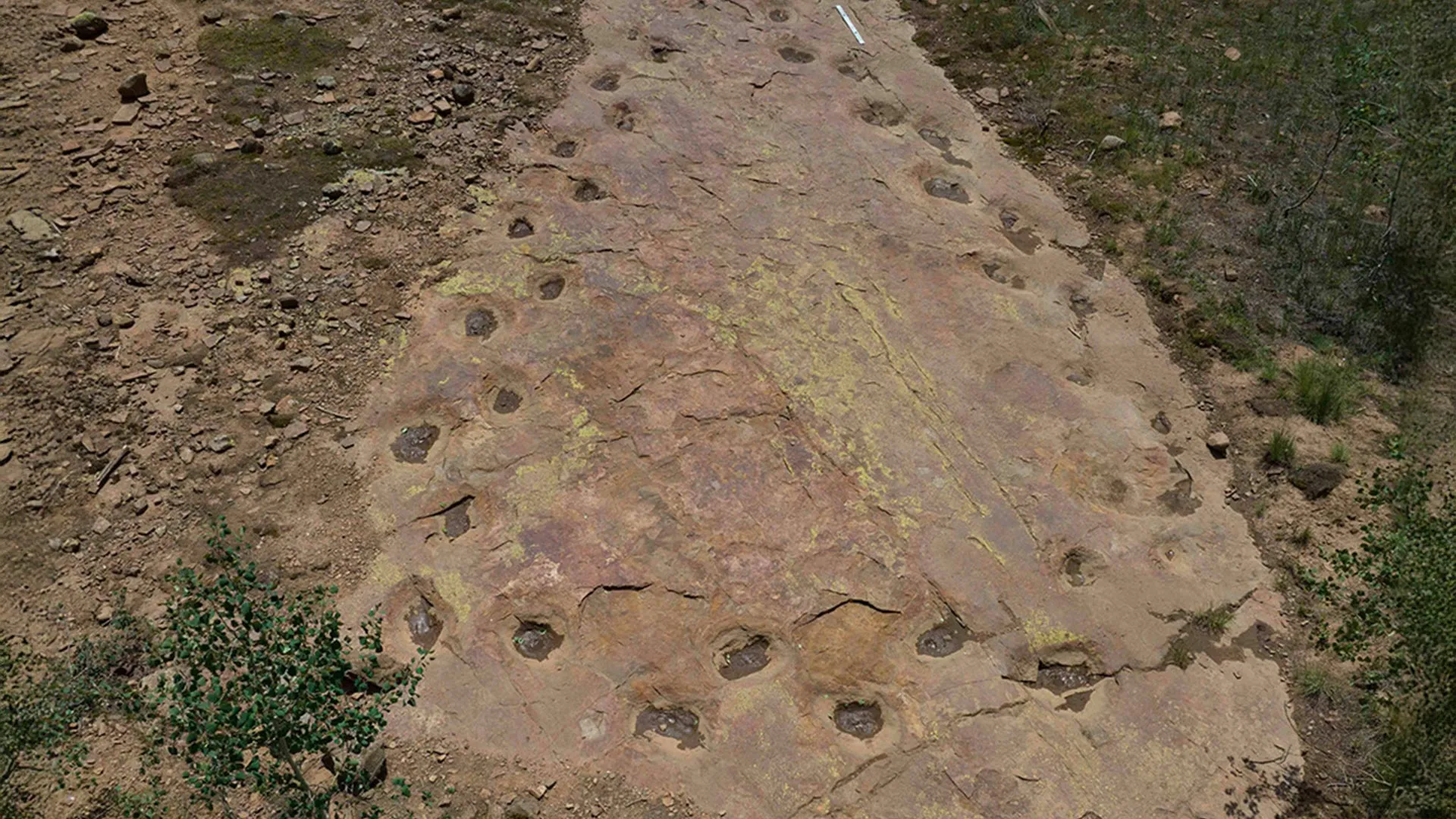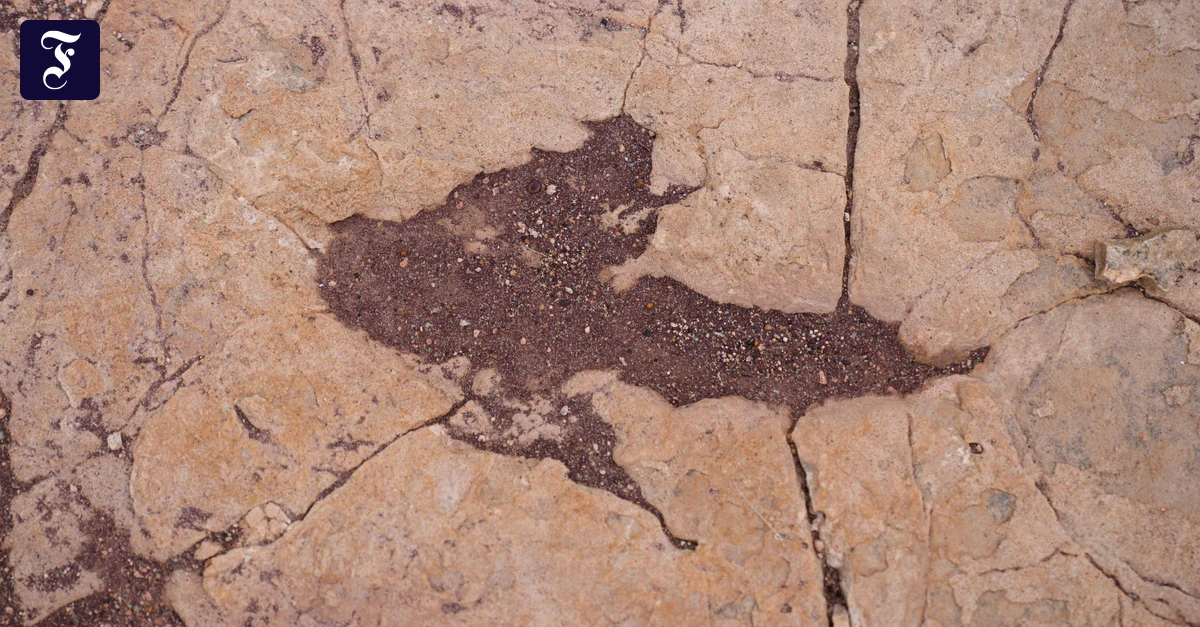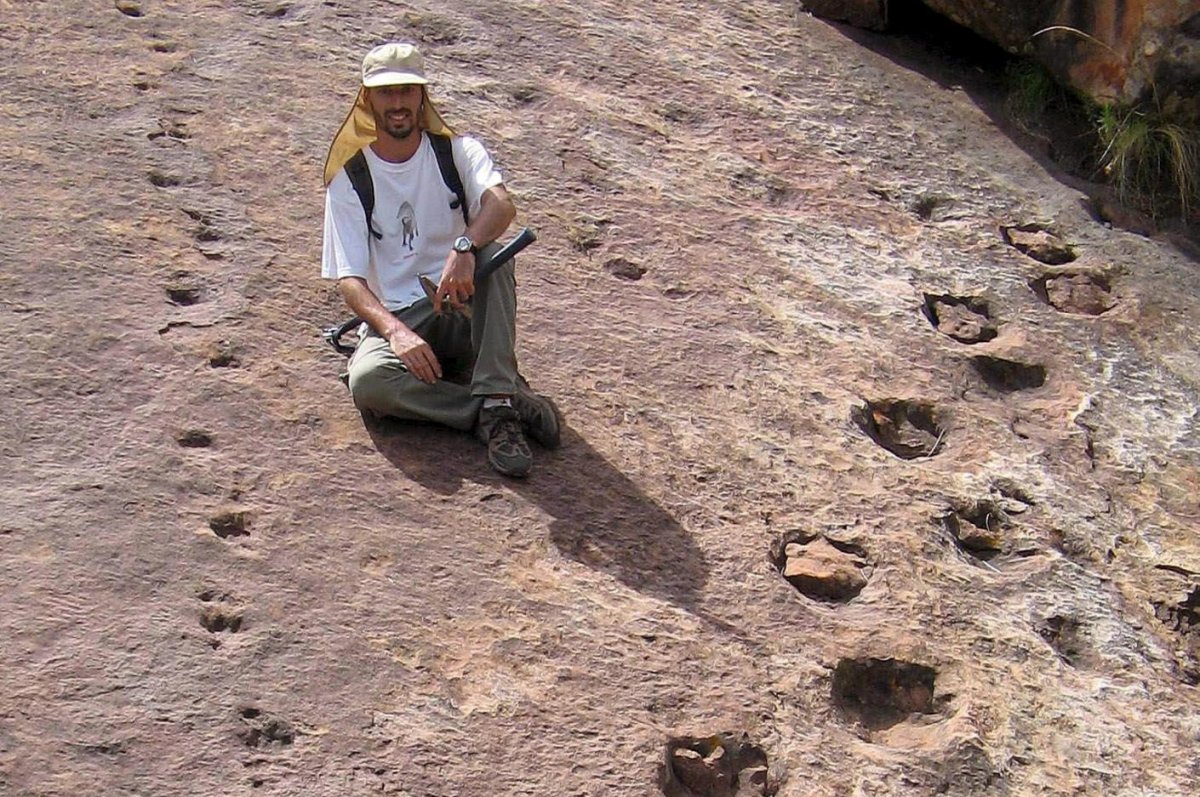
Dec. 16 (UPI) -- More than 16,600 footprints left by carnivorous dinosaurs of different sizes that walked, ran and even swam about 66 million years ago have been identified at the Carreras Pampa site inside Torotoro National Park in central Bolivia, making the country home to the world's largest known concentration of theropod tracks.
Theropods, a dinosaur subgroup, walked on two legs, and typically had hollow, thin-walled bones, short forelimbs and strong hind legs.
The findings were published in the peer-reviewed scientific journal PLOS One and are based on six years of fieldwork carried out by an international team of researchers.
"The study of this gigantic dinosaur track site is highly significant for several reasons. It is the largest known site to date and far exceeds other similar sites in the number of preserved footprints," Spanish paleontologist Raúl Esperante, the study's lead author, told Argentine outlet Infobae.
Researchers documented 1,321 theropod trackways along with hundreds of isolated footprints, tail drag marks and 1,378 swimming traces. All the tracks are concentrated in nine connected sectors on a single fossil surface that cover about 80,730 square feet, an area comparable to a soccer field.