The rules and regulations around AI can feel as bewildering as some of the wild hallucinations that large language models spit out.
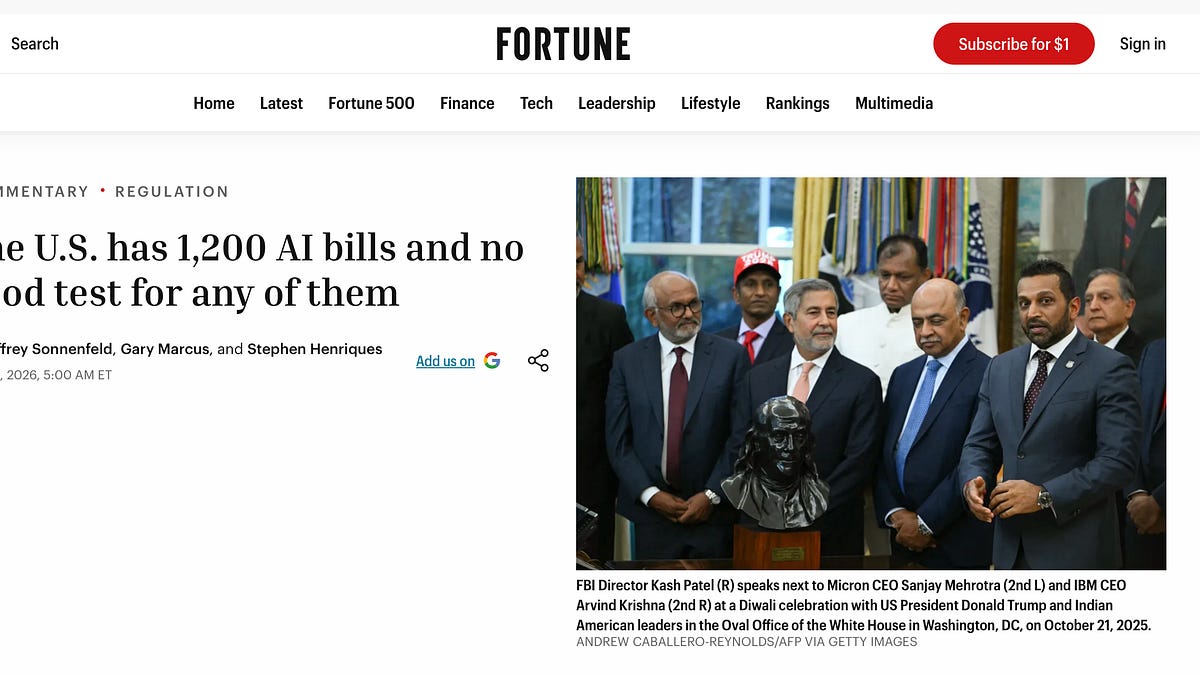
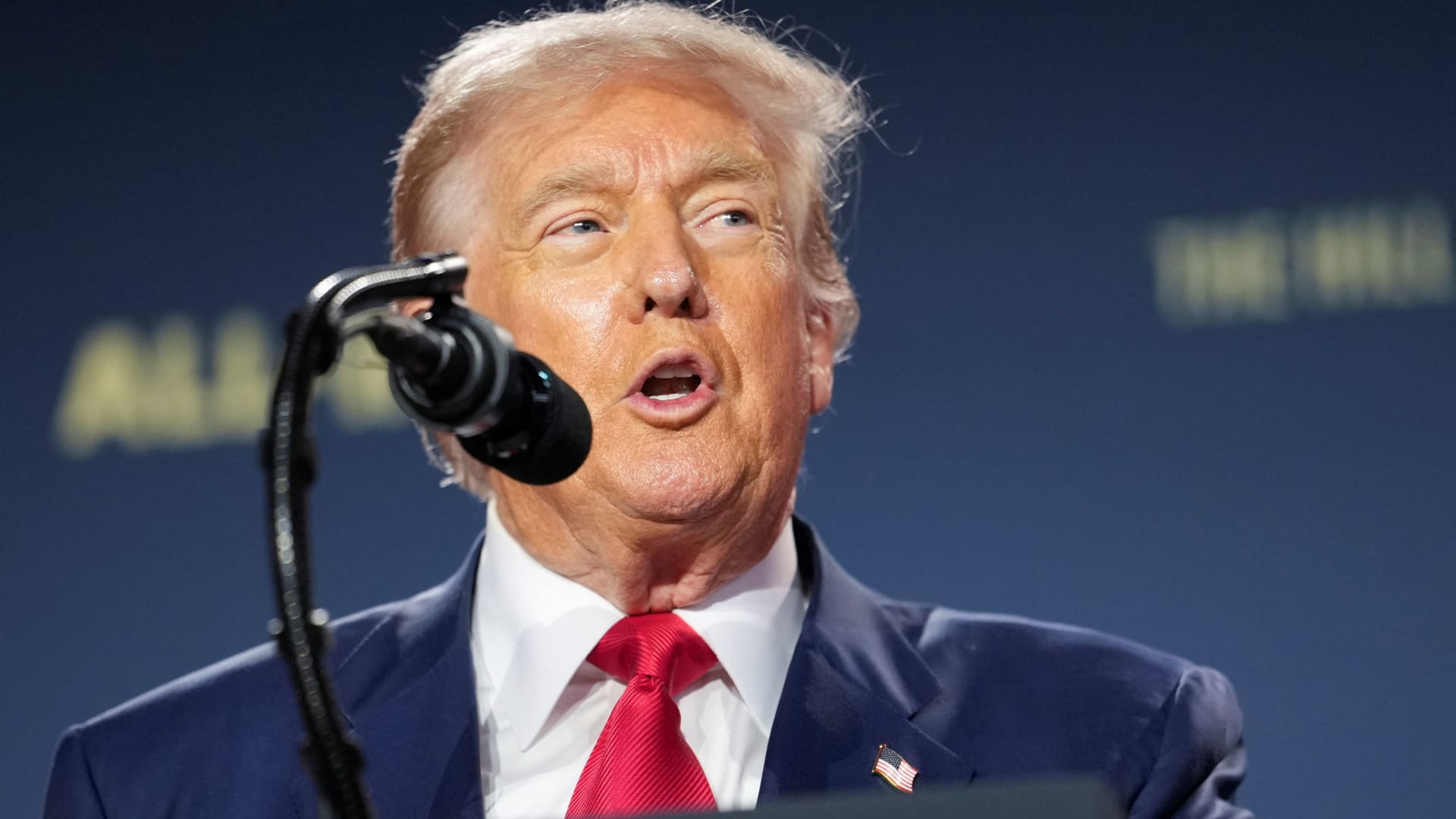
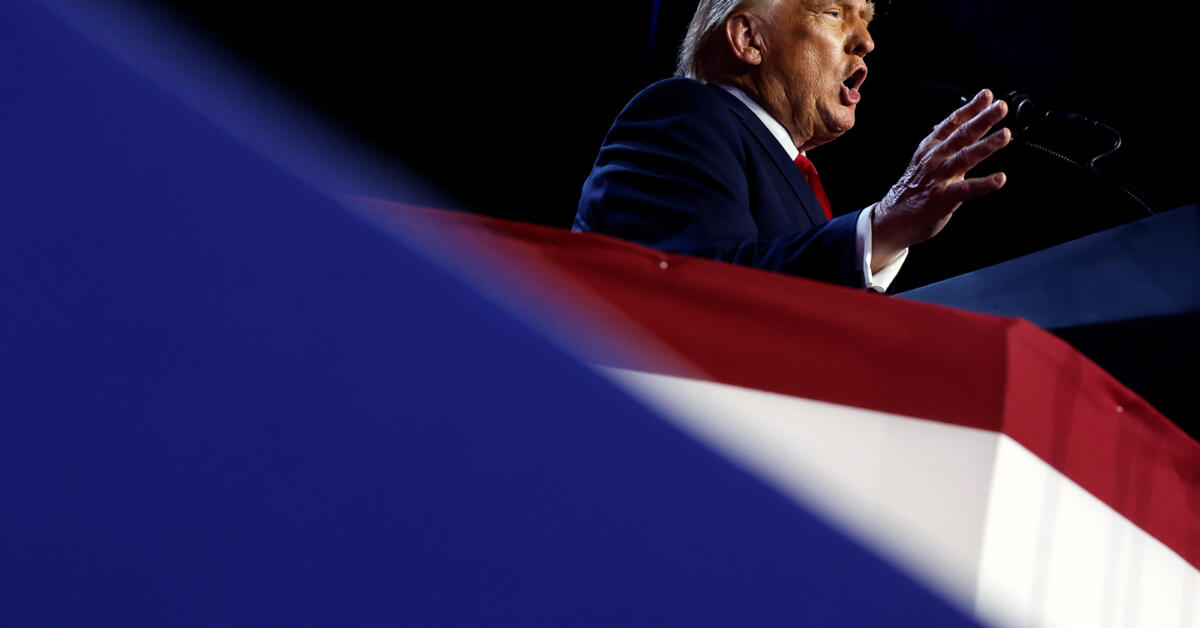
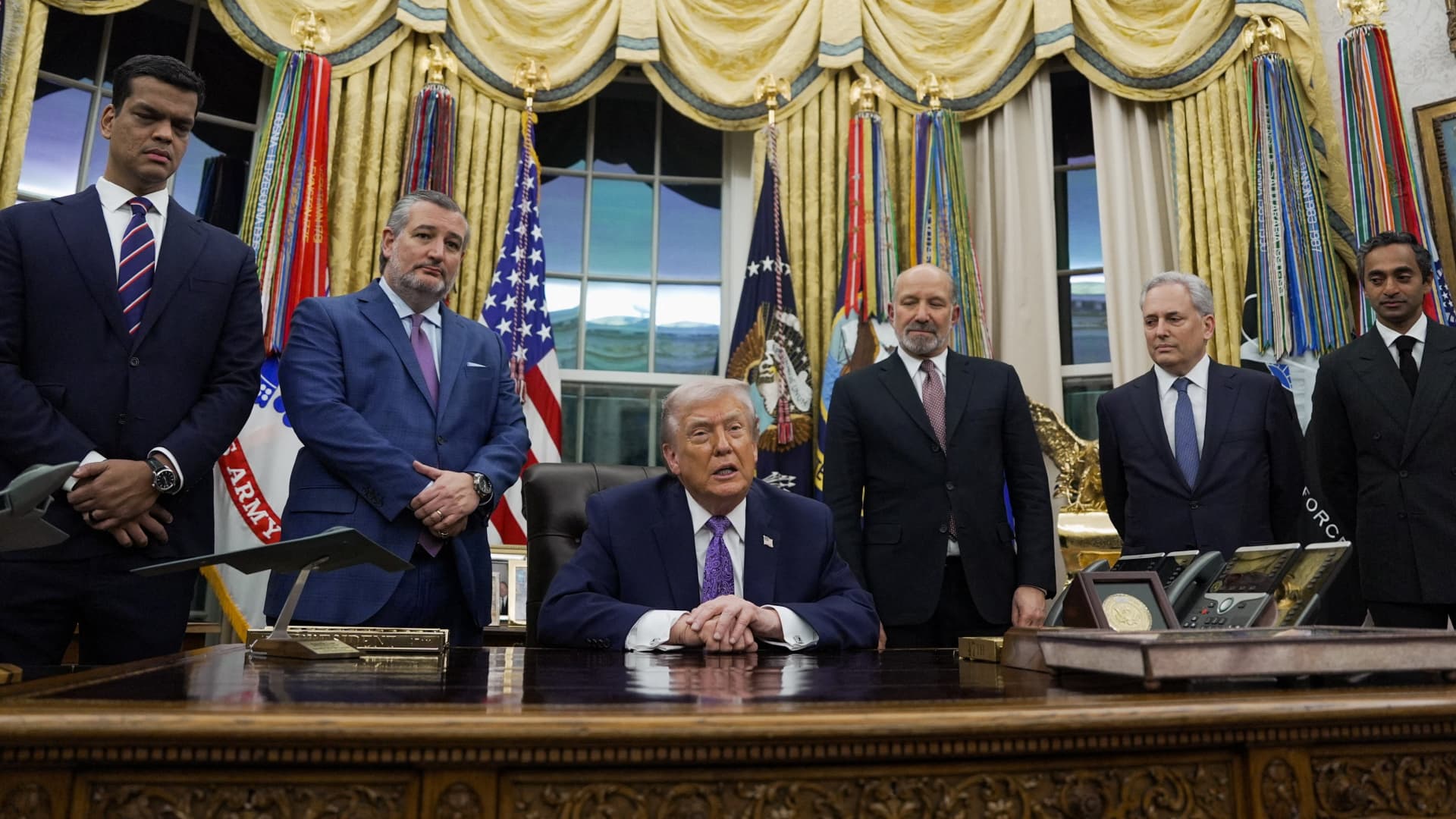
Roughly 100 state laws and proposed rules have emerged over the past couple of years to fill the void left by the lack of a federal standard. This month, President Trump signed an executive order that he said would simplify things by giving the federal government oversight and by rolling back the patchwork of state rules.
The federal framework for AI however, is still a work in progress. And observers say that Trump’s executive order will almost certainly face legal challenges in court.
For businesses seeking guidance and predictability as they craft their AI plans, 2026 seems unlikely to bring relief.
“What this means for my clients, both the AI innovators and the Fortune 500 companies trying to adopt AI, is even more uncertainty,” says Danny Tobey, chair of law firm DLA Piper’s Americas AI and data analytics practice.