ByJeff Kauflin,
Forbes Staff.
IN
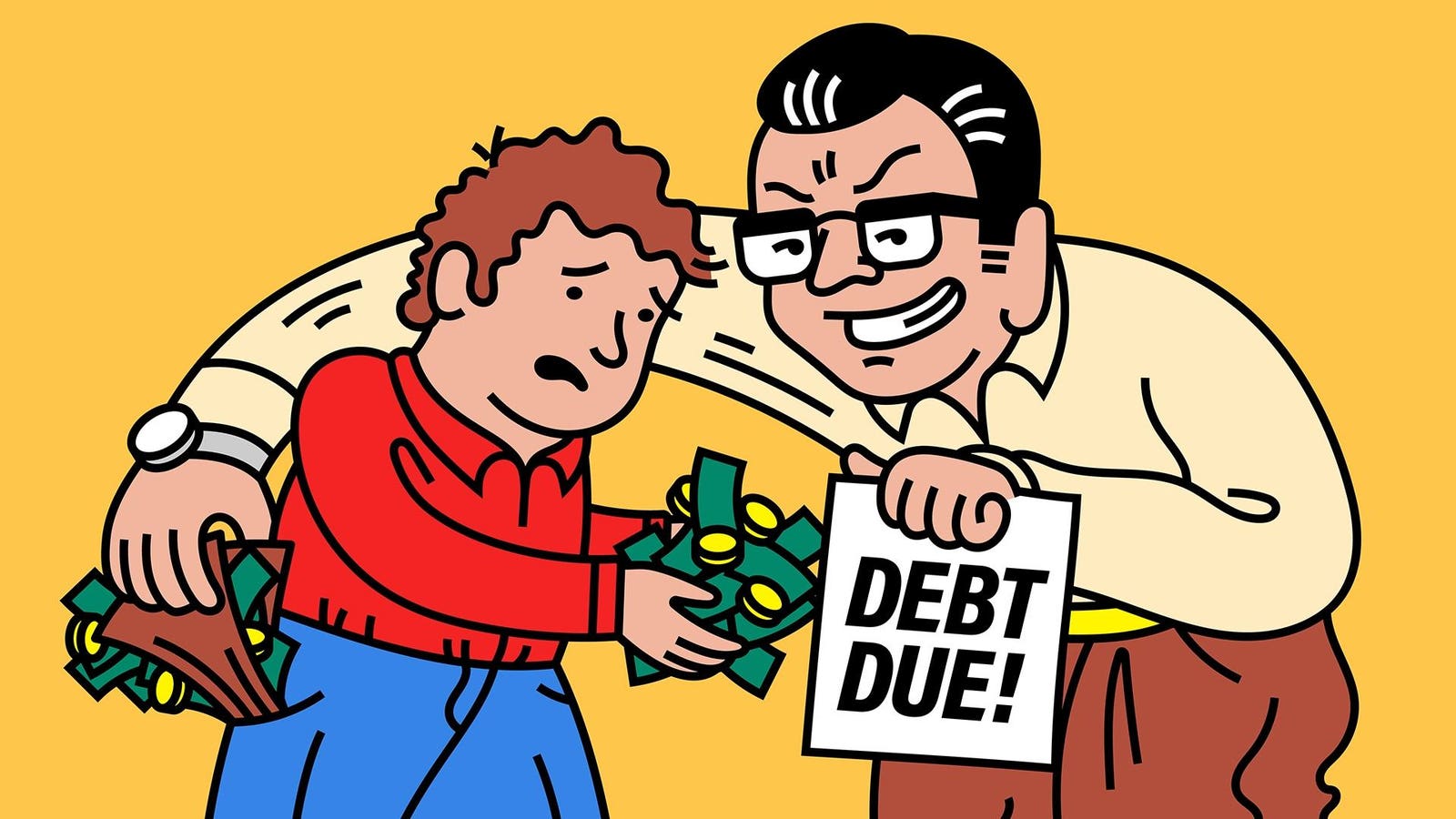
early March 2020, as Covid-19 swept across the nation, Horst Seibert was working at a South Florida assisted-living facility as a driver for its elderly residents. He earned just $12.88 an hour and was shocked when his paycheck was abruptly slashed by 25%. The culprit? A big debt collection company, San Diego-based Midland Credit Management, had begun garnishing his wages due to a $3,300 credit card balance he had neglected to pay. Years earlier, Midland purchased Seibert’s debt from Citibank, which had written off the charge. Midland sued Seibert in Florida, won a judgement and gained the legal right to deduct a portion of his earnings.
Seibert eventually struck a deal with Midland to go on a payment plan. But after making on-time monthly payments of $49 for two years, Midland increased his total remaining balance by $194. After another year of on-time payments, they increased it yet again, eventually raising his balance by a total of $1,571, according to Seibert. Despite repeated inquiries over several months, Midland failed to fix the apparent error or explain why it ever inflated his bill, and it stopped responding to Seibert’s questions.