Oracle’s rapid descent from market darling to market warning sign is revealing something deeper about the AI boom, experts say: no matter how euphoric investors became over the last two years, the industry can’t outrun the laws of physics—or the realities of debt financing.
Shares of Oracle have plunged 45% from their September high and lost 14% this week after a messy earnings report revealed it spent $12 billion in quarterly capital expenditures, higher than the $8.25 billion expected by analysts.
Earnings guidance was also weak, and the company raised its forecast for fiscal 2026 capex by another $15 billion. The bulk of that is going into data centers dedicated to OpenAI, Oracle’s $300 billion partner in the AI cycle.
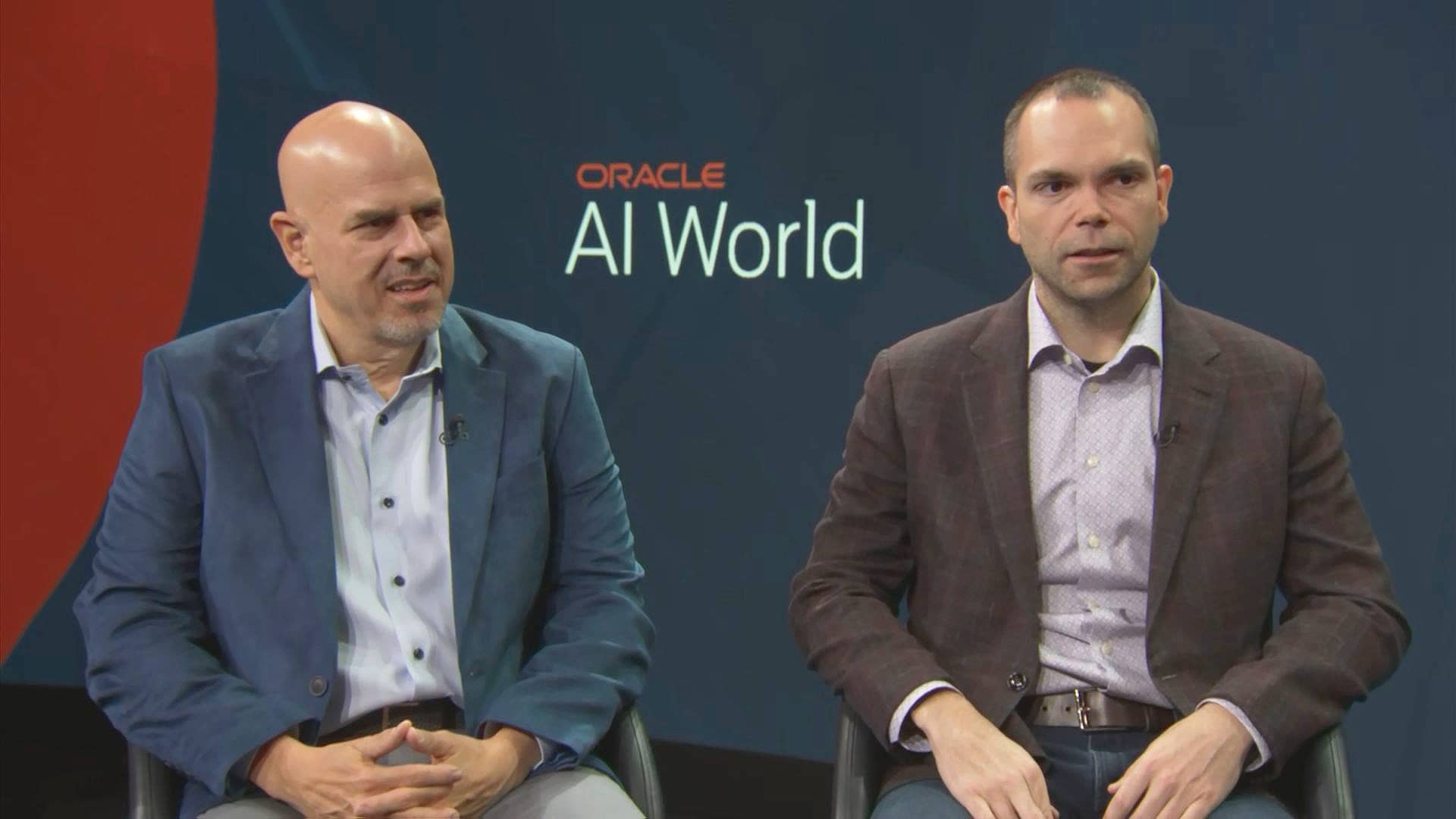
“We have ambitious achievable goals for capacity delivery worldwide,” Oracle co-CEO Clay Magouyrk said on an earnings call this week.
Investors worry how Oracle will pay for these massive outlays as its underlying revenue streams, cloud revenue and cloud-infrastructure sales, also fell short of Wall Street’s expectations. Analysts have described its AI buildout as debt-fueled, even though the company does not explicitly link specific debt to specific capital projects in its filings.