Three months ago, Oracle Corp.’s scorching earnings outlook sent the shares soaring to their best day in three decades. But a quarter later, things look very different for the database software maker and the AI trade in general.
Shares of Oracle, which reports earnings after the close, have plunged 33% since Sept. 10, when they hit an all-time high based on enthusiasm for raging growth in its cloud business. Today, Oracle and many other artificial intelligence companies are facing a wave of skepticism due to heavy capital expenditures and the circular nature of some arrangements.
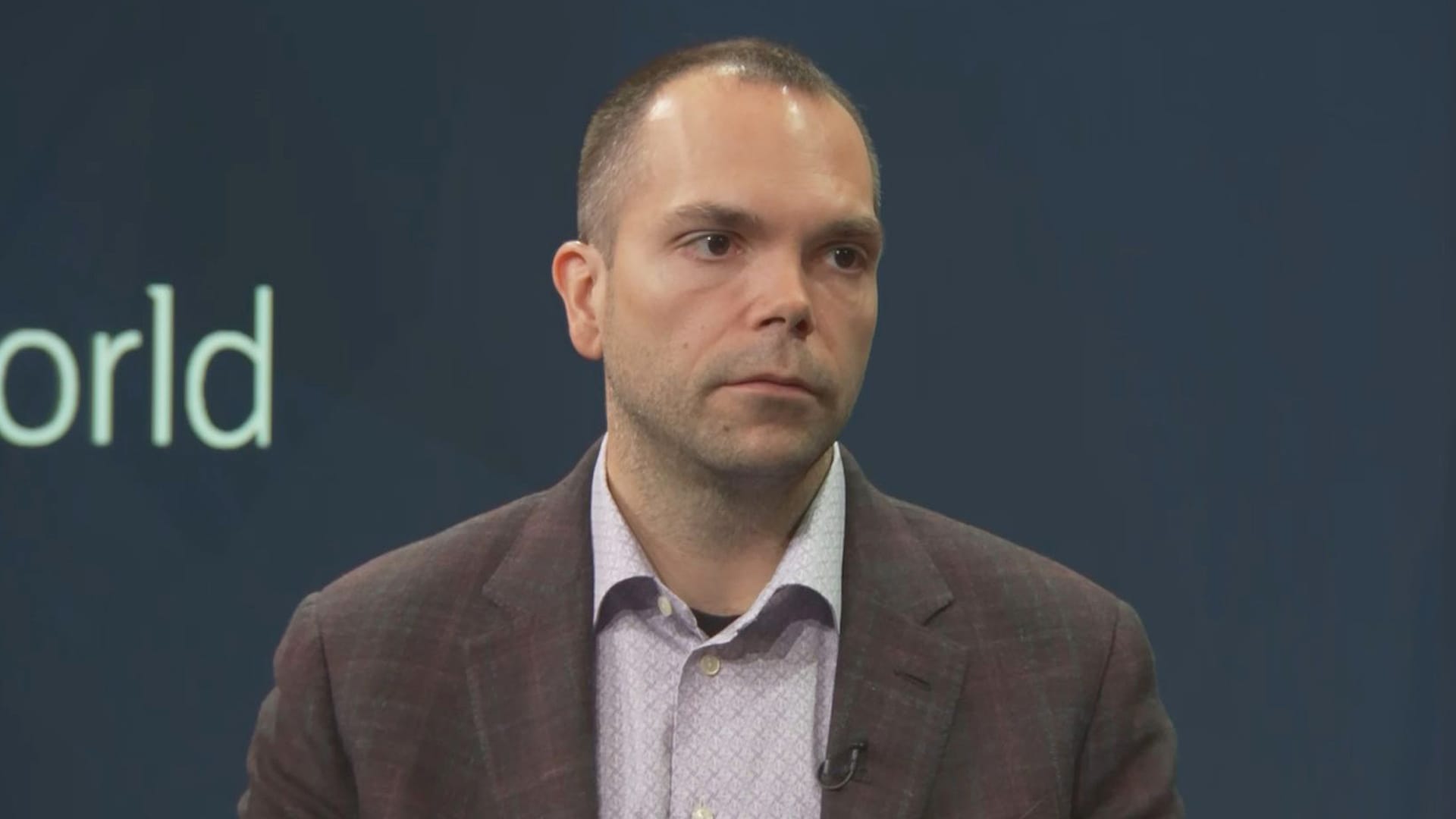
“They are stretching their balance sheet about as far as they can, their free cash flow is negative and their balance sheet is highly levered,” said Jed Ellerbroek, portfolio manager at Argent Capital Management, which owns Oracle shares. “Their neck is sticking out.”
Oracle’s debt risk is particularly troubling to investors. The company has sold tens of billions of dollars of bonds in recent months through note sales in its name and indirectly through projects it’s backing. Last week, the cost of protecting Oracle’s debt against default reached its highest level since March 2009. Analysts following the company say this uncertainty dwarfs whatever good news it reports in its quarterly earnings.