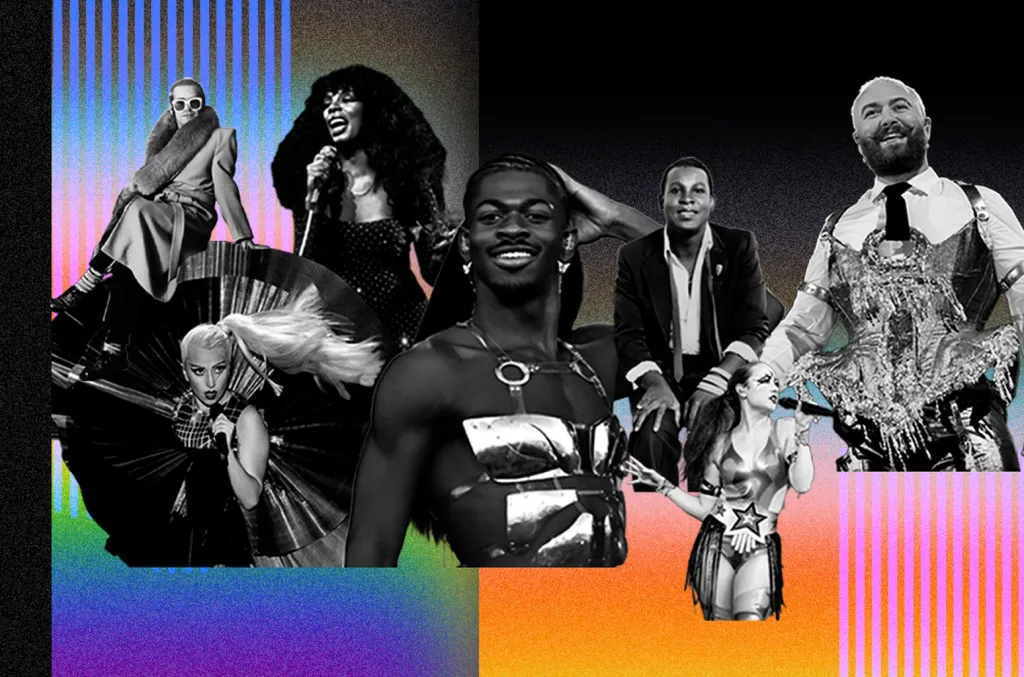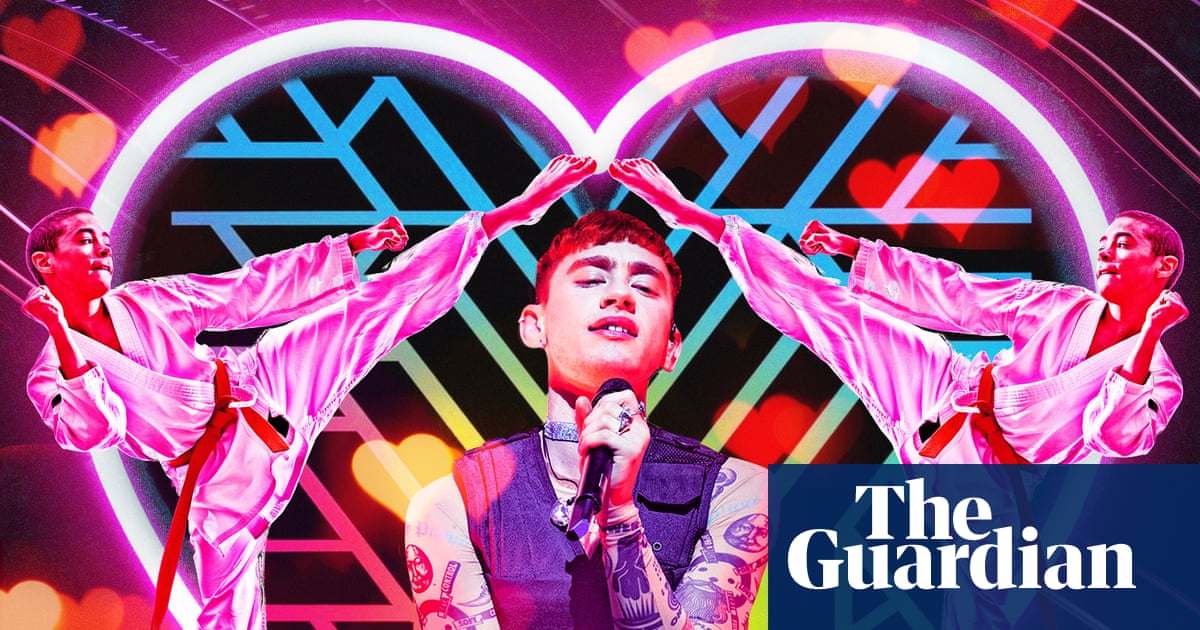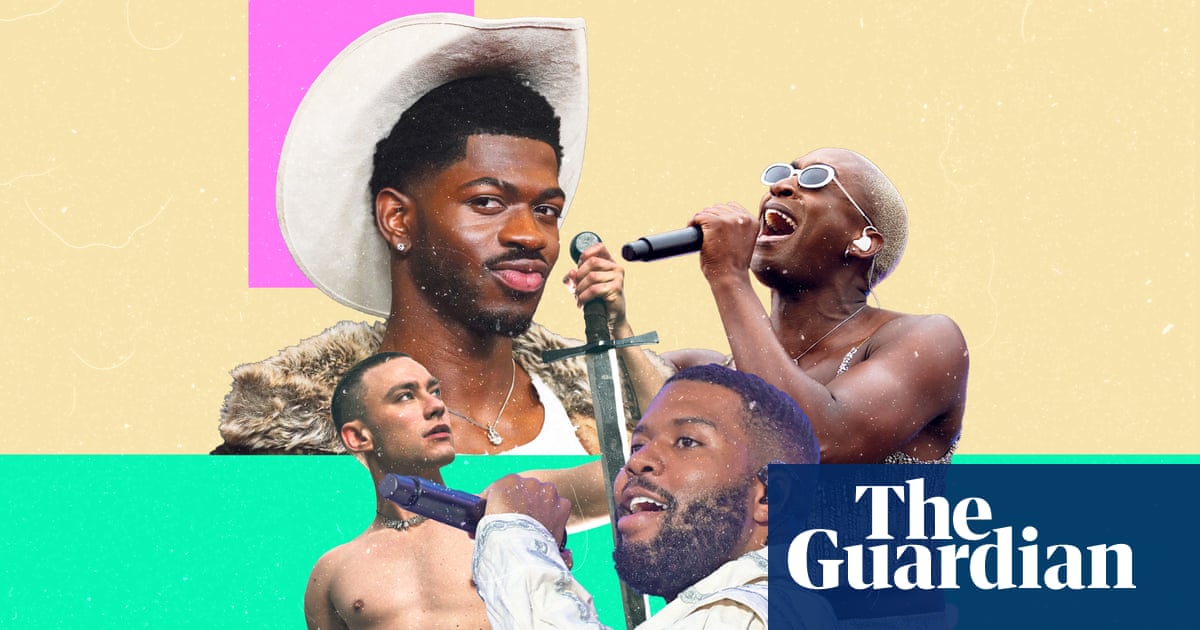
Not long ago, artists such as Lil Nas X and Olly Alexander were ruling pop. But success has stalled as acts face industry obstacles and rising homophobia. What now?
A
t the turn of the decade, gay male and non-binary pop stars seemed poised to take pop music by storm. Lil Nas X broke out with Old Town Road – which blew up on TikTok, sold about 18.5m copies and remains tied with Shaboozey’s A Bar Song (Tipsy) and Mariah Carey’s All I Want for Christmas Is You as the longest-running No 1 single in US history – and artists such as Sam Smith, Troye Sivan and Olly Alexander from Years & Years were all singing about gay love and sex.
But the initial promise has stalled. Lil Nas X’s attempts to build on his smash debut album have fizzled, and he is publicly dealing with mental health issues. In October, Khalid released his first album since being outed by his ex last year but only sold 10,000 copies in the first week in the US. A previous album, 2019’s Free Spirit, sold some 200,000 copies in the first week and led to him briefly dethroning Ariana Grande as the most listened to artist on Spotify.
After chart-topping fame with Years & Years, Alexander’s debut solo album, this year’s Polari, could only peak at No 17 in the UK, with no charting singles apart from Dizzy, the UK’s 2024 Eurovision entry, which reached No 42. He tells me that being out in the “major label machine … felt like I was trying to pull off an impossible magic trick”. When it comes to selling gay music to the public, he says, “men explicitly loving men is so threatening to the status quo and patriarchy, which makes it harder to gain mainstream support”. Only Sivan has stayed culturally relevant, if not commercially dominant, thanks in part to savvy collaborations with two of pop’s biggest female stars, Charli xcx and Ariana Grande. How did gay male artists lose their place in the pop landscape?