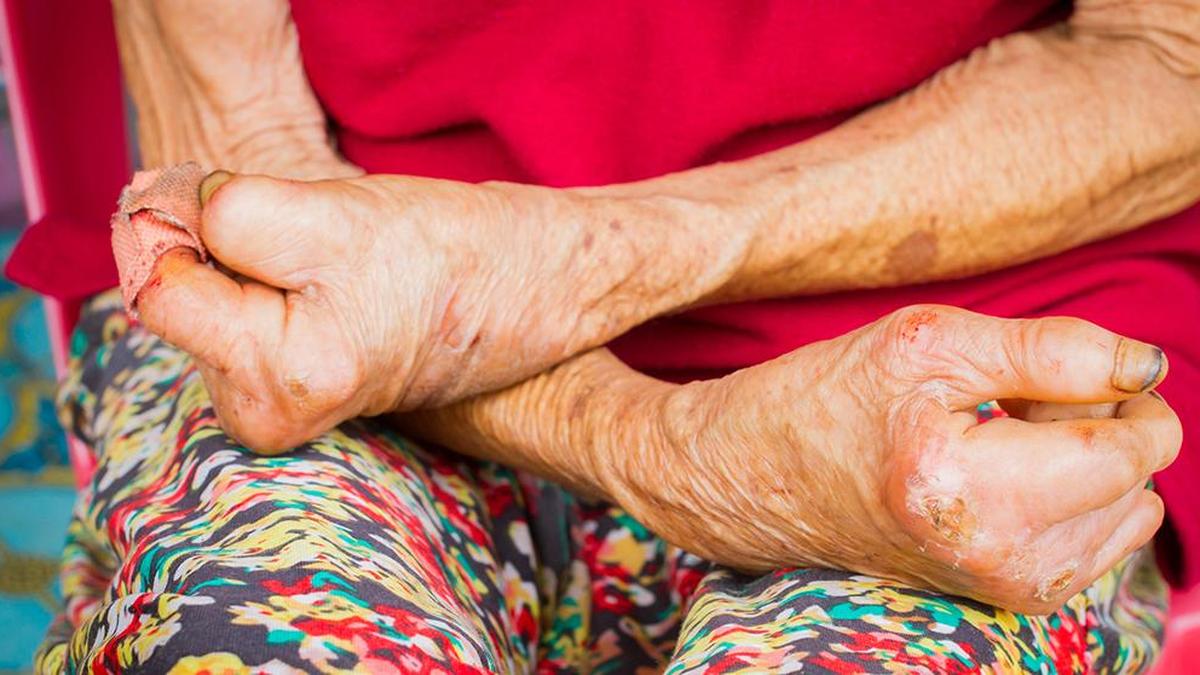
Over a five-year period, 515 new cases of leprosy have been detected in Chennai. Though the overall Annual New Case Detection Rate (ANCDR) remained largely stable, persistent hotspots were identified in industrial and border zones. These areas also recorded higher new case rates among children, ranging from 3.5 to 11.5 per 1,00,000, indicating ongoing transmission likely linked to migrant populations, a study has found.
The findings of the study on ‘Urban Hotspots Of Leprosy: Child And Migrant-linked Transmission In Chennai, 2021–2025’ were published in the Tamil Nadu Journal of Public Health and Medical Research. The study was conducted by Sridevi Govindarajan, Vasanthi Thangasamy, and Dharmalingam Vedanayagam of the Directorate of Medical and Rural Health Services (Leprosy).
The authors conducted a descriptive cross-sectional study using secondary programme data from 15 administrative zones of Chennai district. The overall ANCDR ranged from 1.0 per 1,00,000 in 2021 to 1.3 in 2025, with a transient spike to more than 2.0 in 2022-2023. Six zones recorded ANCDR above 2.0 [range of 2.0 to 4.9] - three major industrial hubs and three located at district borders. Child ANCDR was disproportionately high particularly in industrial zones, adjoining residential zones, and border zones.