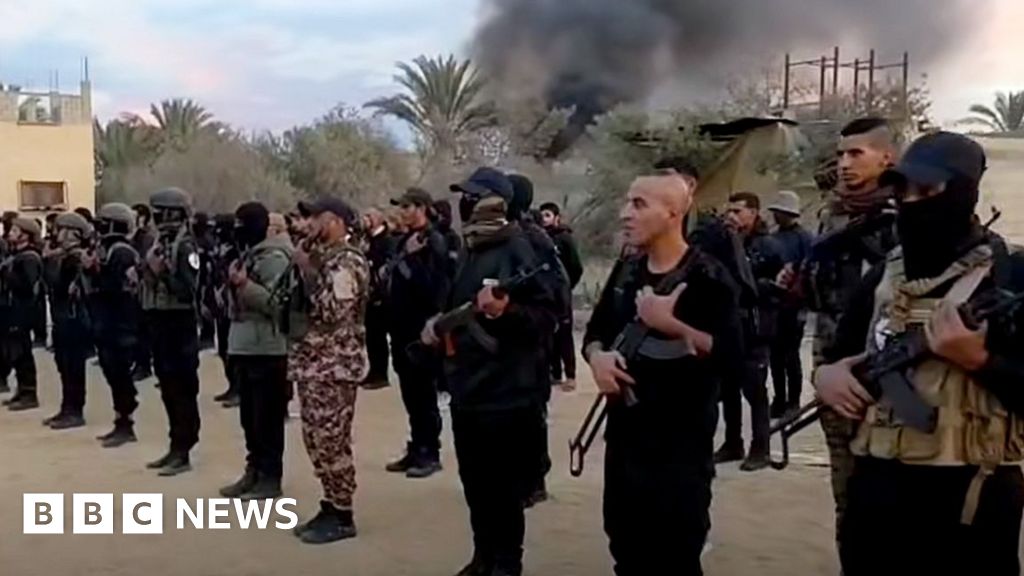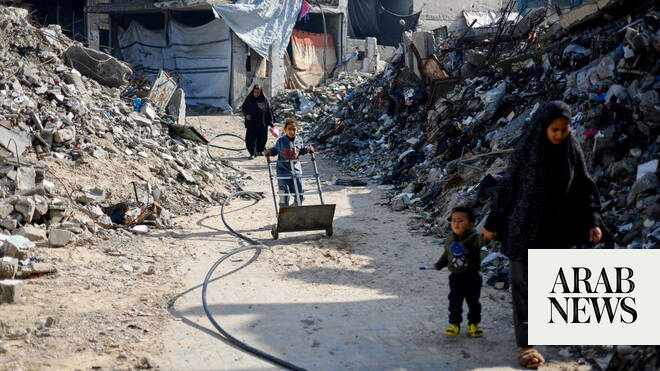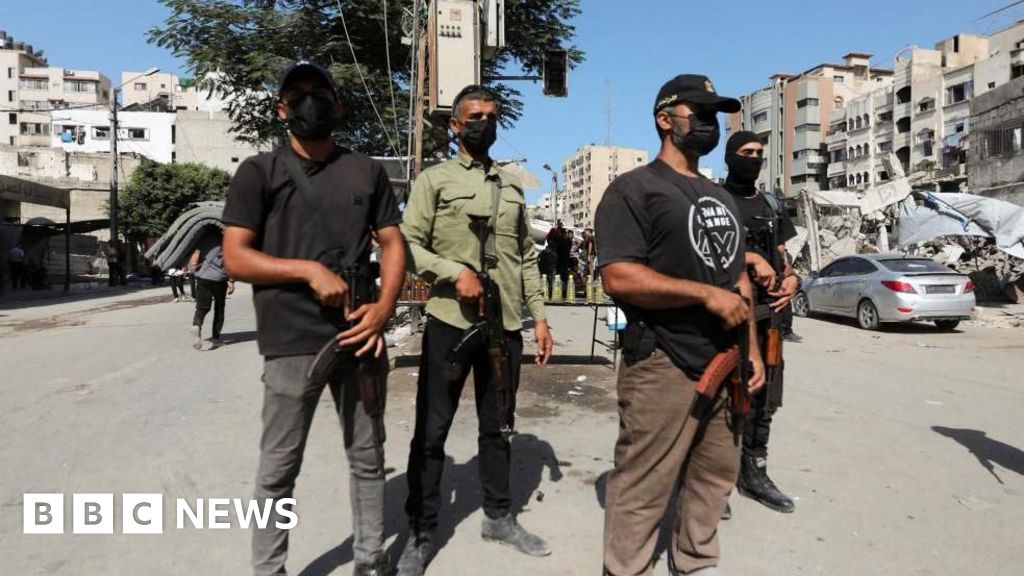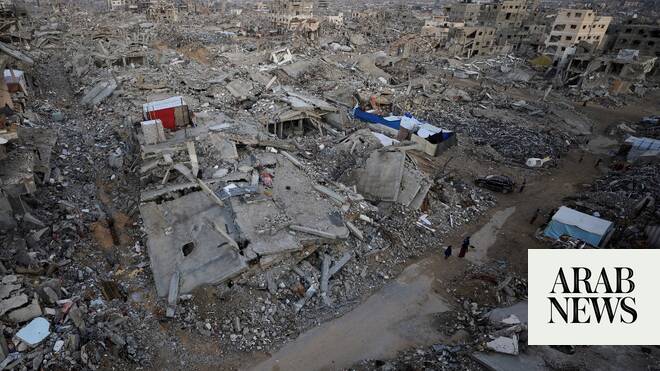
Groups operating from Israeli-held areas of Gaza say they will continue to fight Hamas despite the killing of their most prominent commander, reporting more recruits since an October ceasefire as they eye a role in the enclave’s future.
The emergence of the groups, though they remain small and localized, has added to pressures on Islamist Hamas and could complicate efforts to stabilize and unify a divided Gaza shattered by two years of war.
Prime Minister Benjamin Netanyahu acknowledged Israeli backing for anti-Hamas groups in June, saying Israel had “activated” clans, though Israel has given little detail since then.
Last week, the man seen at the heart of efforts to establish anti-Hamas forces — Yasser Abu Shabab — was killed in southern Gaza’s Rafah area. His group, the Popular Forces, said he died mediating a family feud, without saying who killed him. His deputy, Ghassan Duhine, has taken over and vowed to continue on the same path.
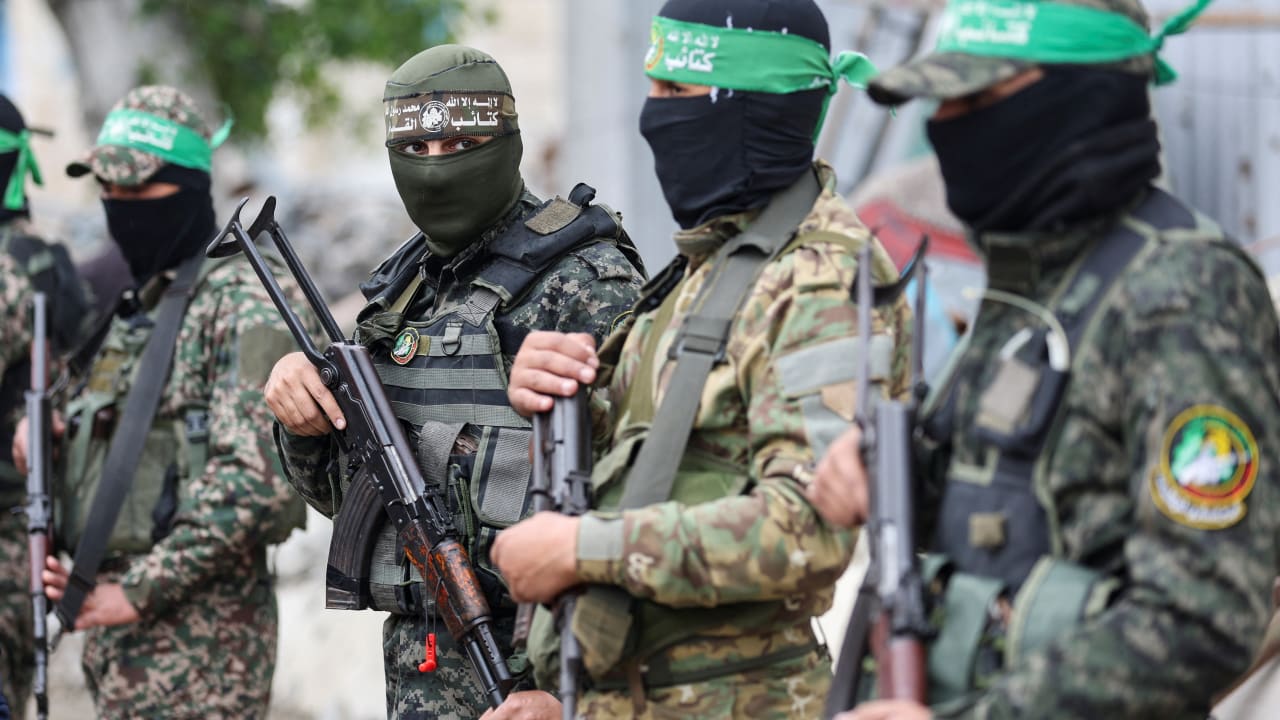
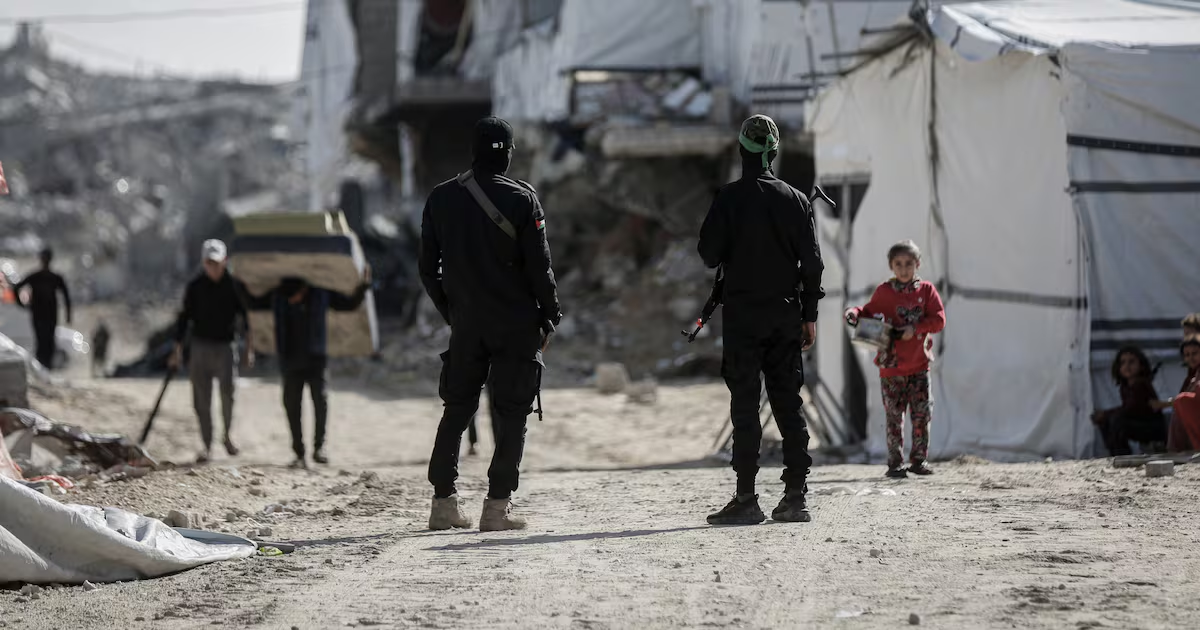
Hamas, which has controlled Gaza since 2007 and has so far refused to disarm under the ceasefire plan, has branded such groups collaborators — a view that Palestinian analysts say is broadly shared by the public. It moved swiftly against Palestinians who defied its control after the US-backed ceasefire took hold, killing dozens, including some it accused of working with Israel.