Which terms best represent 2025?
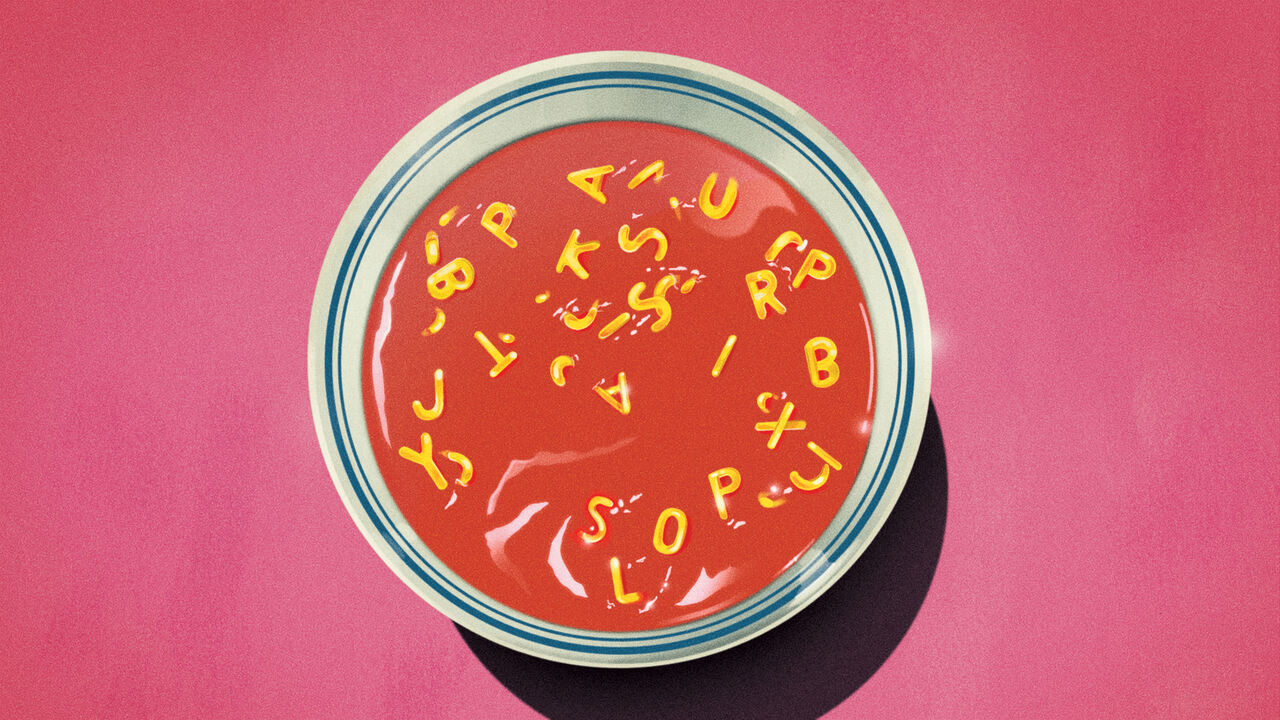
Every year, editors for publications ranging from the Oxford English Dictionary to the Macquarie Dictionary of Australian English select a “word of the year.”
Sometimes these terms are thematically related, particularly in the wake of world-altering events. “Pandemic,” “lockdown” and “coronavirus,” for example, were among the words chosen in 2020. At other times, they are a potpourri of various cultural trends, as with 2022’s “goblin mode,” “permacrisis” and “gaslighting.”
This year’s slate largely centers on digital life. But rather than reflecting the unbridled optimism about the internet of the early aughts – when words like “w00t,” “blog,” “tweet” and even “face with tears of joy” emoji (😂) were chosen – this year’s selections reflect a growing unease over how the internet has become a hotbed of artifice, manipulation and fake relationships.
When seeing isn’t believing