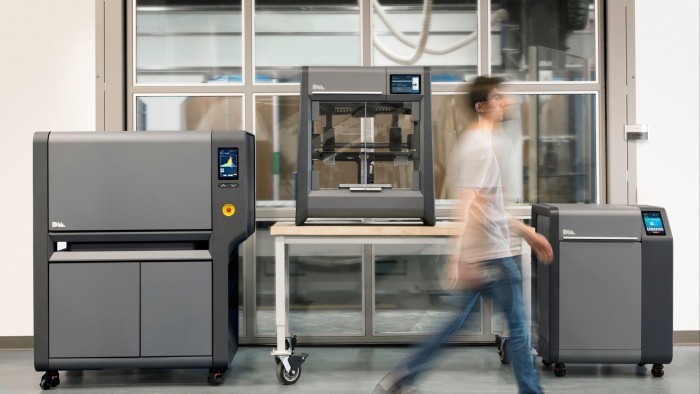
Lawyers at Quinn Emanuel faced a daunting deadline after taking on 3D printing company Desktop Metal as a client in January. They had less than two months to digest more than 70,000 documents and prepare for a trial with Nano Dimension, which was trying to back out of a deal to buy its rival.
But the attorneys also had an edge: access to artificial intelligence tools that allowed them to create a detailed chronology, refine the arguments, and find weaknesses in their opponent’s case.
“We knew we had to move fast and couldn’t let a day go by with anything left undone,” says Christopher Kercher, a Quinn Emanuel partner in New York who founded the firm’s AI group. “AI isn’t the be-all, end-all. It’s not letting us push a button and go to the beach. But it’s a great tool to make us better at our jobs.”
Kercher and his colleagues are not alone. Law firms are relying increasingly on AI to accelerate mundane tasks and stay a step ahead of their adversaries. The fast-moving technology is helping lawyers analyse judges’ opinions, zero in on evidence in a mountain of data, draft documents, and unlock a host of other efficiencies.
An engineer at 3D printing company Desktop Metal © Tim Pumphrey