Pitching for legal business as a law firm once meant gaining an understanding of the client’s needs and demonstrating how the firm might meet them. At Ashurst, however, a recent request for proposal came with a new demand: that the firm show how it would combine generative artificial intelligence with human expertise to handle the client’s legal projects.
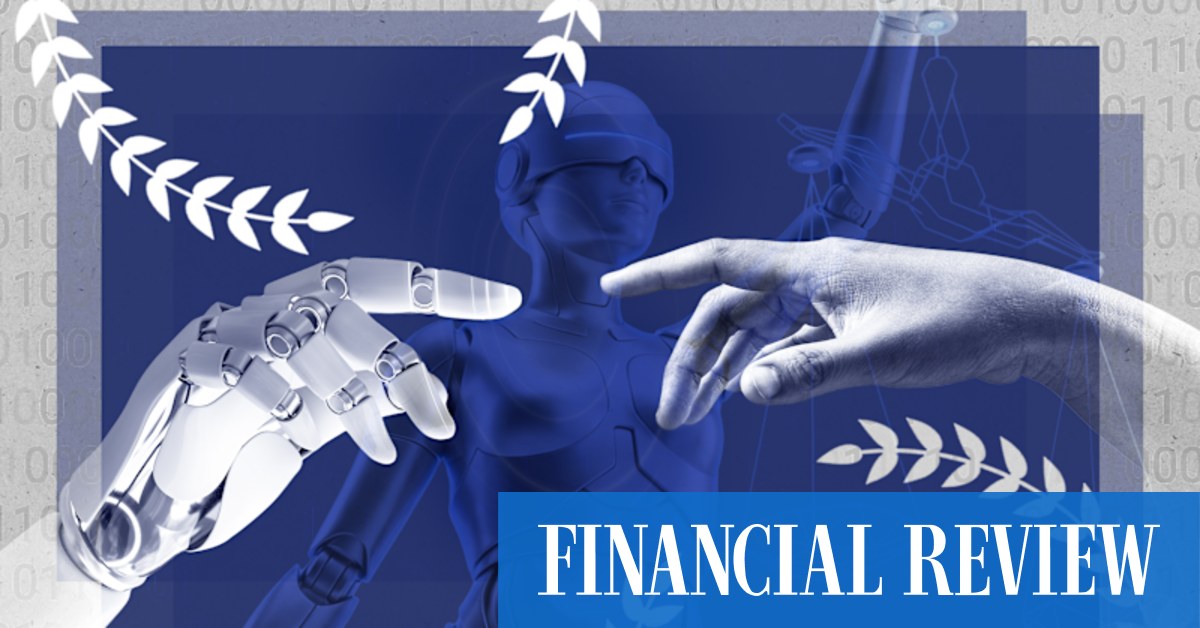
Whether for making pitches or training junior associates, AI is becoming a dominant presence in legal workplaces, requiring both law firms and companies’ in-house legal teams to navigate complex new working relationships between human experts and digital tools.
For Ashurst, the pitch involved going head-to-head with another firm. Both were given 10 matters to work on over the course of two weeks, to show how they would use generative AI.
Ashurst won the business. “The reason we were successful, the client told us, was because of how we augmented the technology with the expertise,” says Hilary Goodier, a partner and global head of Ashurst Advance, the firm’s technology-enabled legal services division.
Blending AI with human expertise is not always easy, however. Goodier says it takes planning to design working processes that accommodate the strengths and weaknesses of both humans and digital tools.