This article is part of HuffPost’s biweekly politics newsletter. Click here to subscribe.
Rarely does a blockbuster case that would radically alter the balance of power between the president and Congress come before the Supreme Court in which the outcome is already well-known. But that’s the case in Trump v. Slaughter, which the court will hear Monday, where President Donald Trump is asking the court to expand his autocratic push by handing him the power to fire independent agency officials at will.
The case emerges from Trump’s mass purges of Democratic appointees from independent agencies across the executive branch. These officials are, technically, protected from being removed unless it is “for cause” by the laws Congress passed to create the agencies, under a precedent known as Humphrey’s Executor. These for-cause removal protections, meant to preserve the independence of these “quasi-judicial” and “quasi-legislative” agencies from the whims of the president, were upheld by the Supreme Court in a 1935 case from which the precedent takes its name.
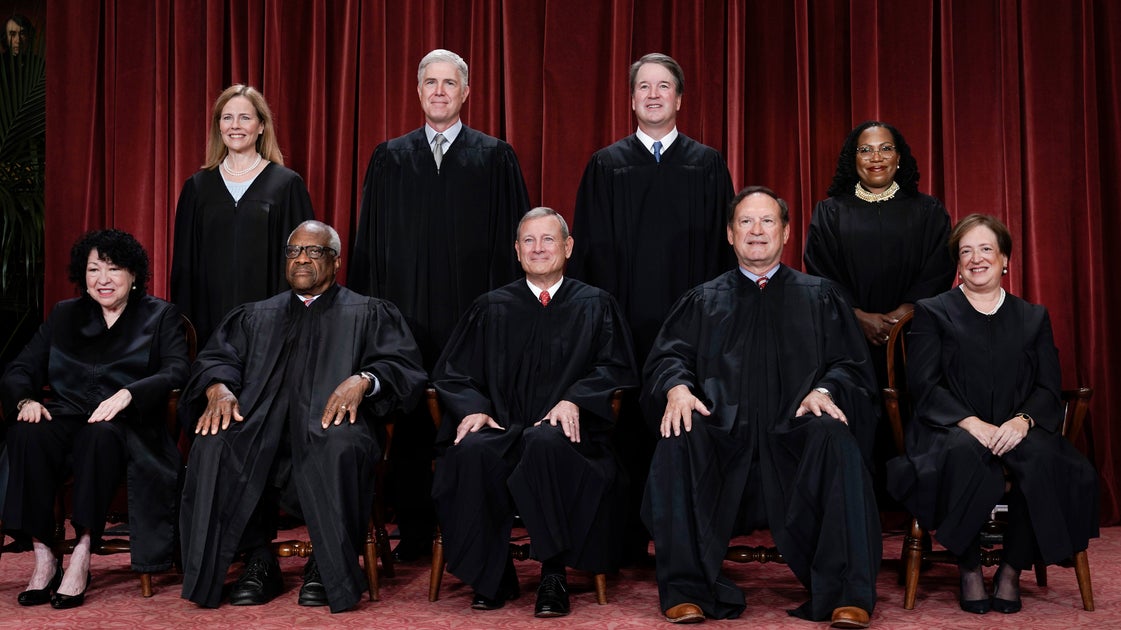
The case now centers around one of those fired officials, Federal Trade Commission member Rebecca Slaughter. She sued the Trump administration charging that, under Humphrey’s Executor, she could not be fired unless for cause and she should be reinstated into her position on the FTC. Lower courts agreed. But Trump appealed to the Supreme Court where the court’s six conservative justices sided with the president for the short term, allowing Slaughter to be removed while they heard the case.