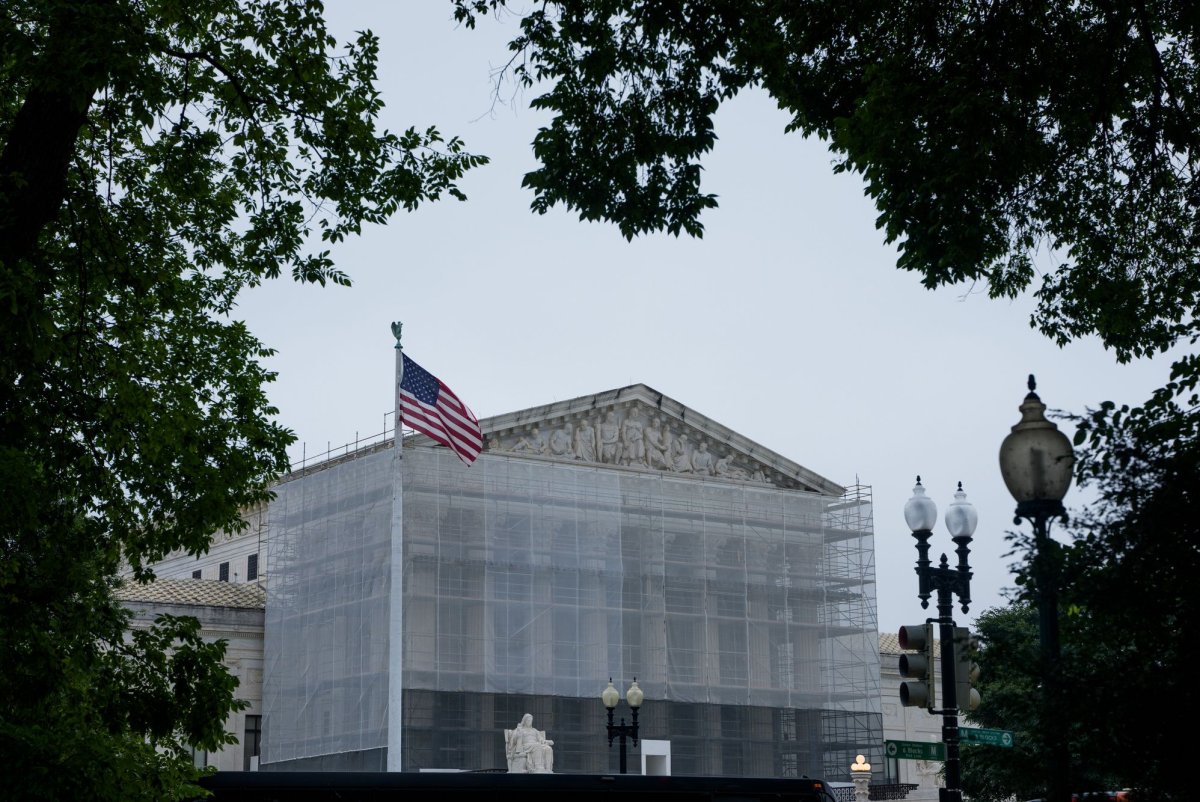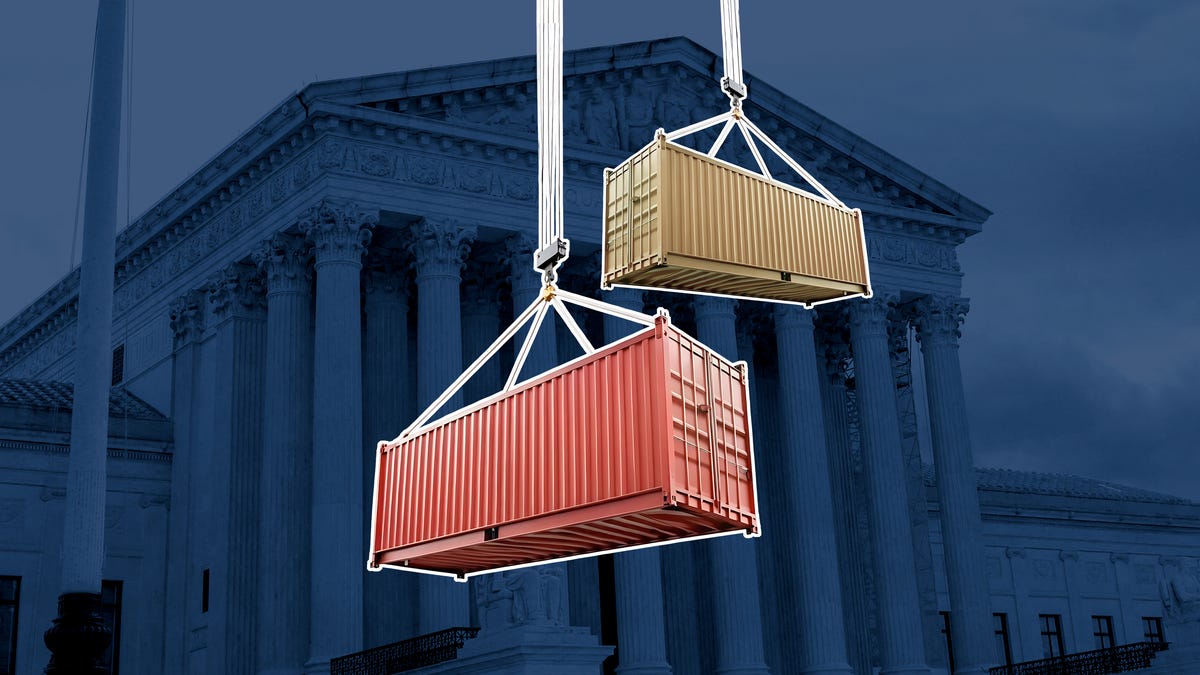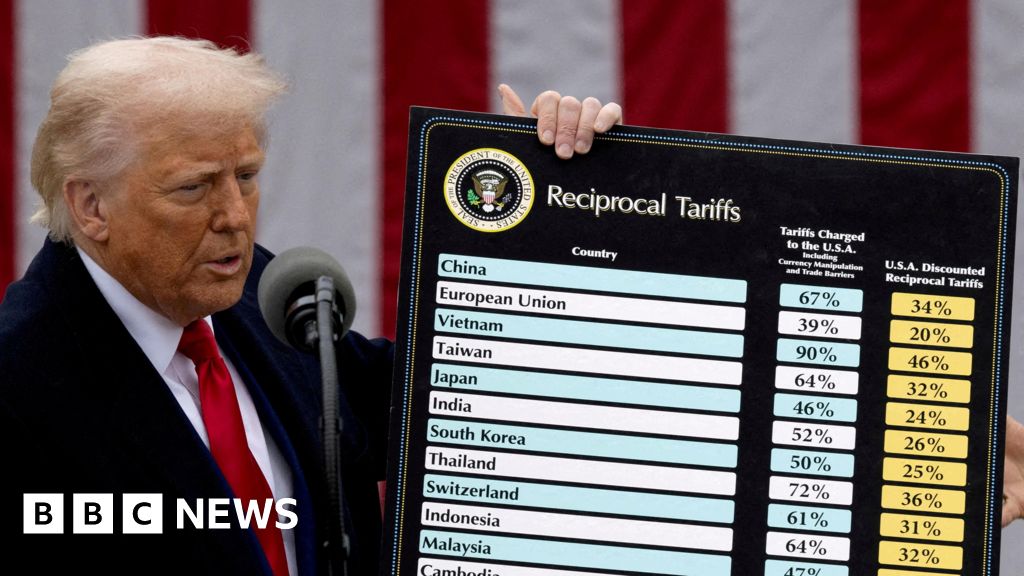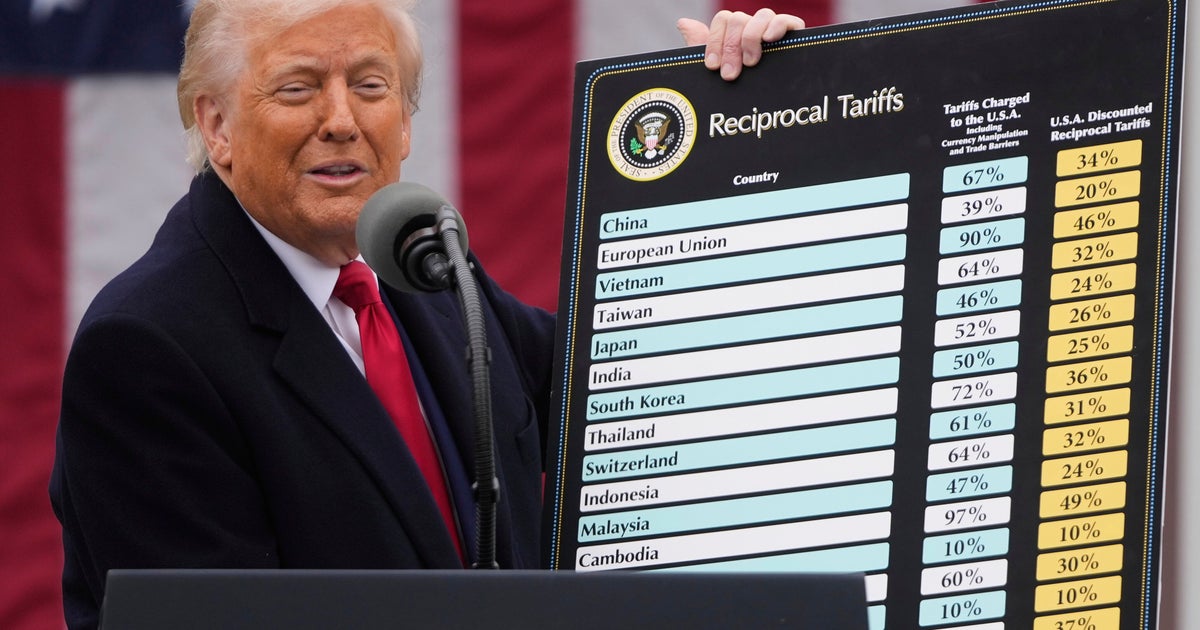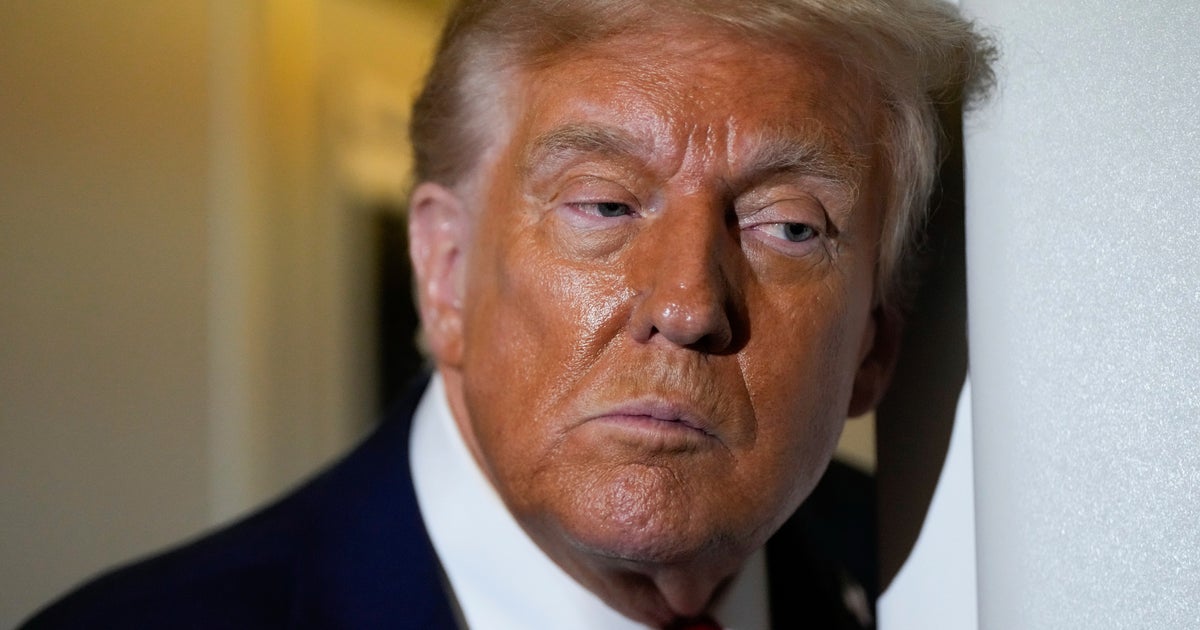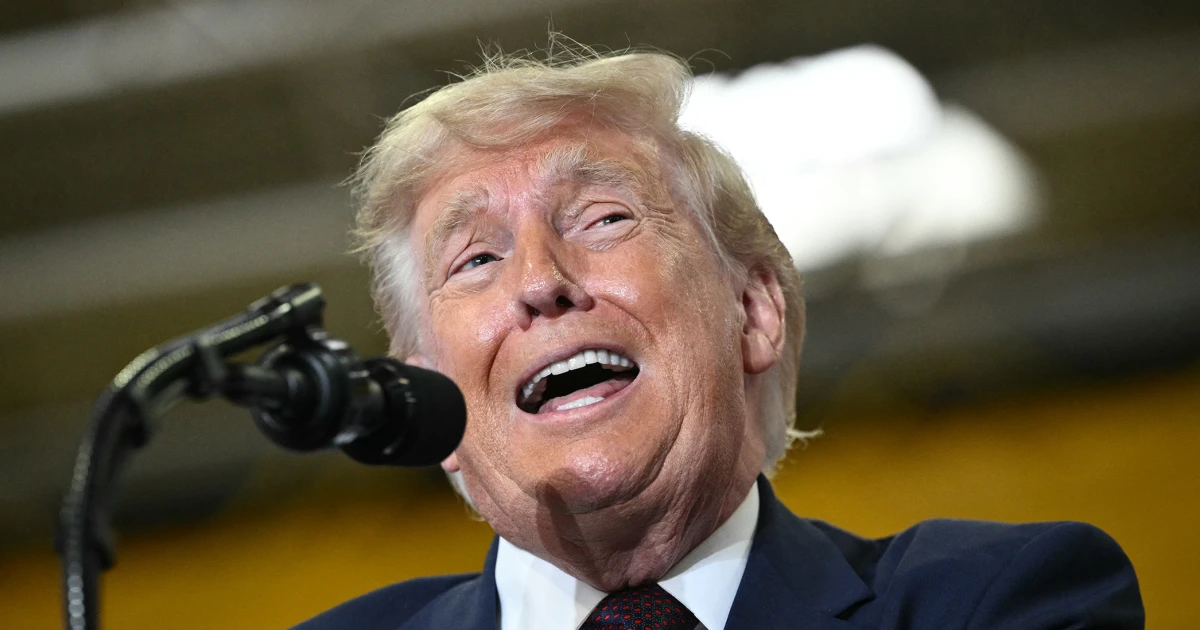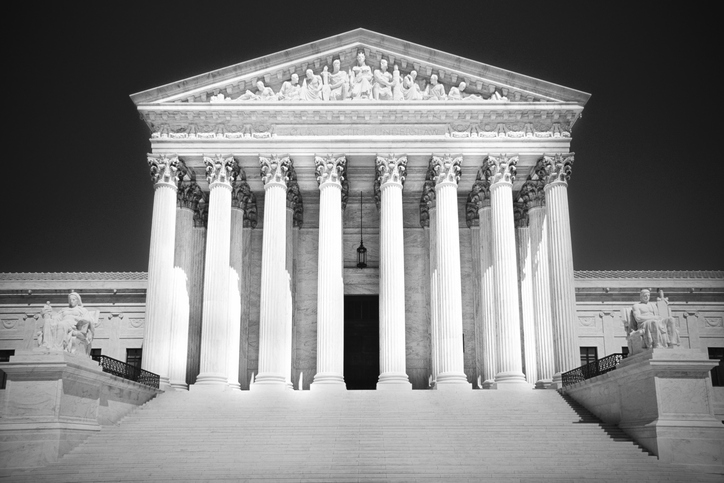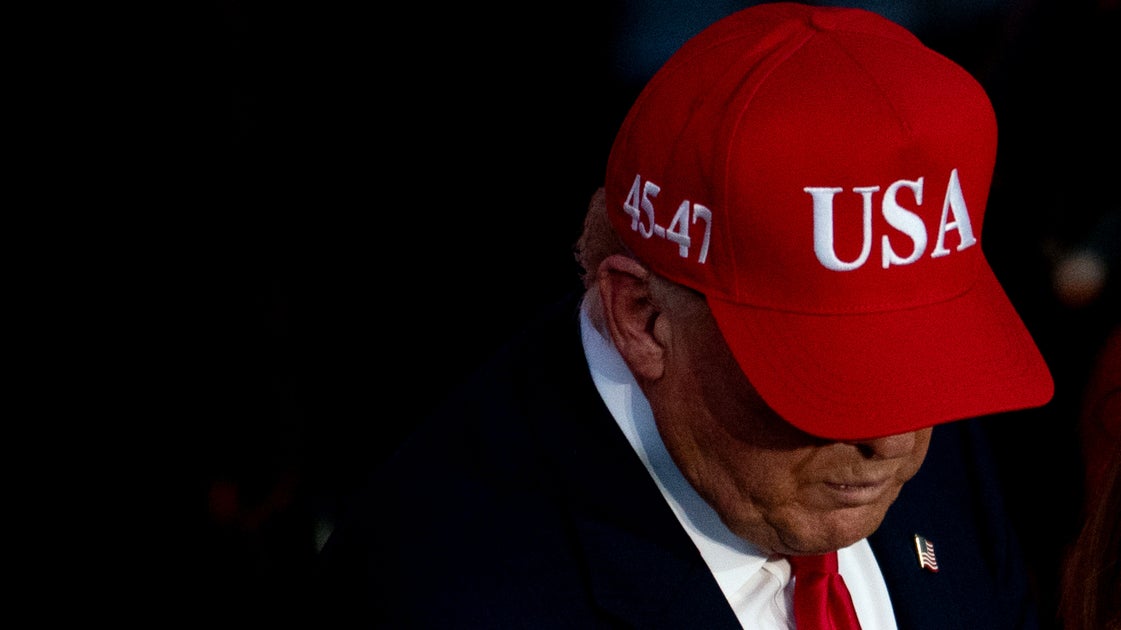
On Wednesday, the Supreme Court will consider whether President Donald Trump overstepped his authority by claiming emergency power to impose tariffs around the world. The high court, which has frequently ruled in Trump’s favor, has a lot at stake: A win for Trump could, once again, expand the powers of the presidency forever.
The case, Learning Resources, Inc. v. Trump (consolidated with Trump v. V.O.S. Selections) asks a simple question: Does the International Emergency Economic Powers Act, or IEEPA, give the president the authority to impose tariffs?
Before making its way to the Supreme Court justices, lower courts, the Court of International Trade and appellate courts have already ruled that IEEPA did not authorize Trump’s tariffs.
Under the Constitution’s Article I Section 8, when it comes to levying or imposing taxes, it is Congress — not the executive branch — that has the “power to lay and collect taxes, duties, imposts and excises.”
But as the National Constitution Center points out, over the years Congress has increasingly allowed the executive branch’s role in enacting tariff-based policy to expand. Even so, until Trump, there has never before been a president who has declared that he alone has the power to impose tariffs in an “emergency” situation of his own making.