https://arab.news/5afwr
In 1978, Charles Kindleberger published “Manias, Panics, and Crashes,” an instant classic history of investment booms and subsequent busts. Such booms can be divided between those that end up building something useful (such as a railway system in mid-19th-century Britain, the US and elsewhere) and those that do not (such as the Netherlands’ infamous 17th-century tulip mania and the subprime mortgage madness of the early 2000s).
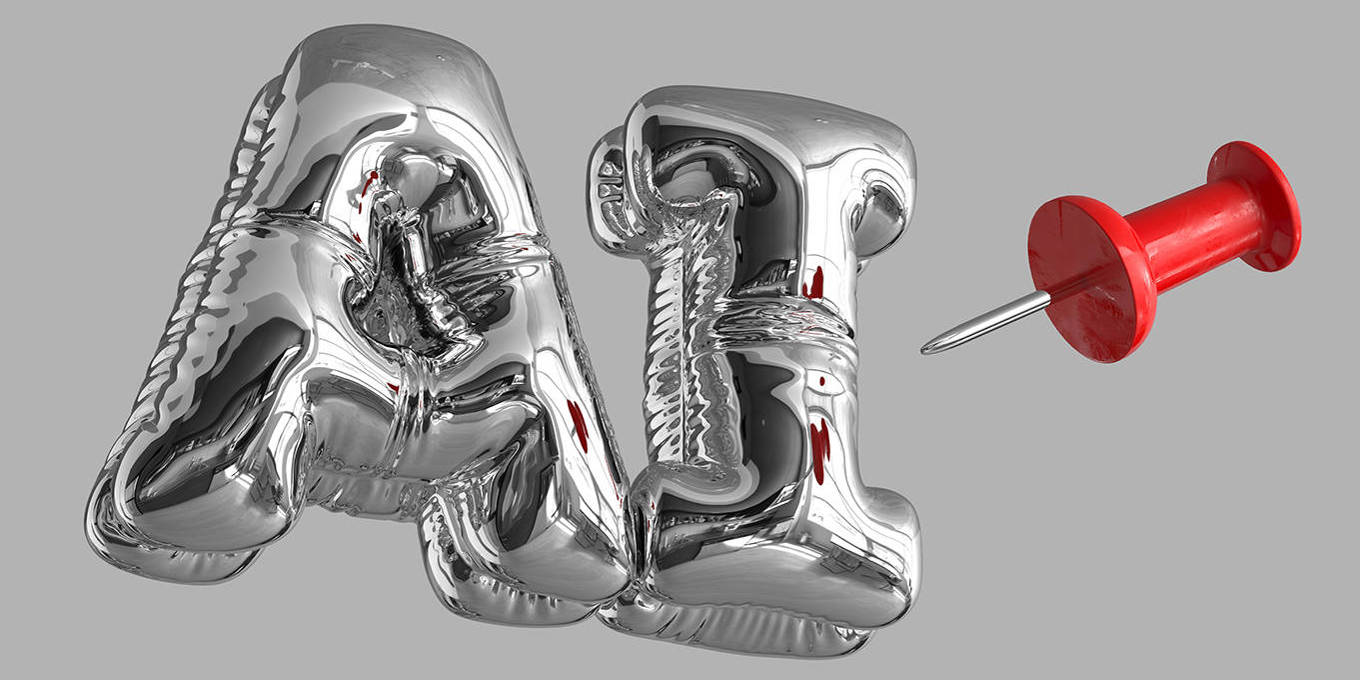
By any metric, the US and, by implication, the world, is now in an intense AI speculative boom. But will all the investment pouring into the industry build something useful? To whom and for what purpose? And if there is a downside, what will it look like?
Kindleberger’s work — and everything that has happened since 1978 — suggests that three salient questions should be used to assess investment booms.
First, does the boom involve more than just a run-up in asset prices (such as happened with US housing prior to the 2008 global financial crisis)? On this front, today there is definitely a big wave of investment in plant and equipment (such as data centers) in the US and elsewhere. Moreover, investment in information technology infrastructure — an important input for firms and government — could boost productivity and therefore help underpin economic growth. An unfortunate corollary is a potentially significant environmental impact, owing especially to increased demand for electricity and water.