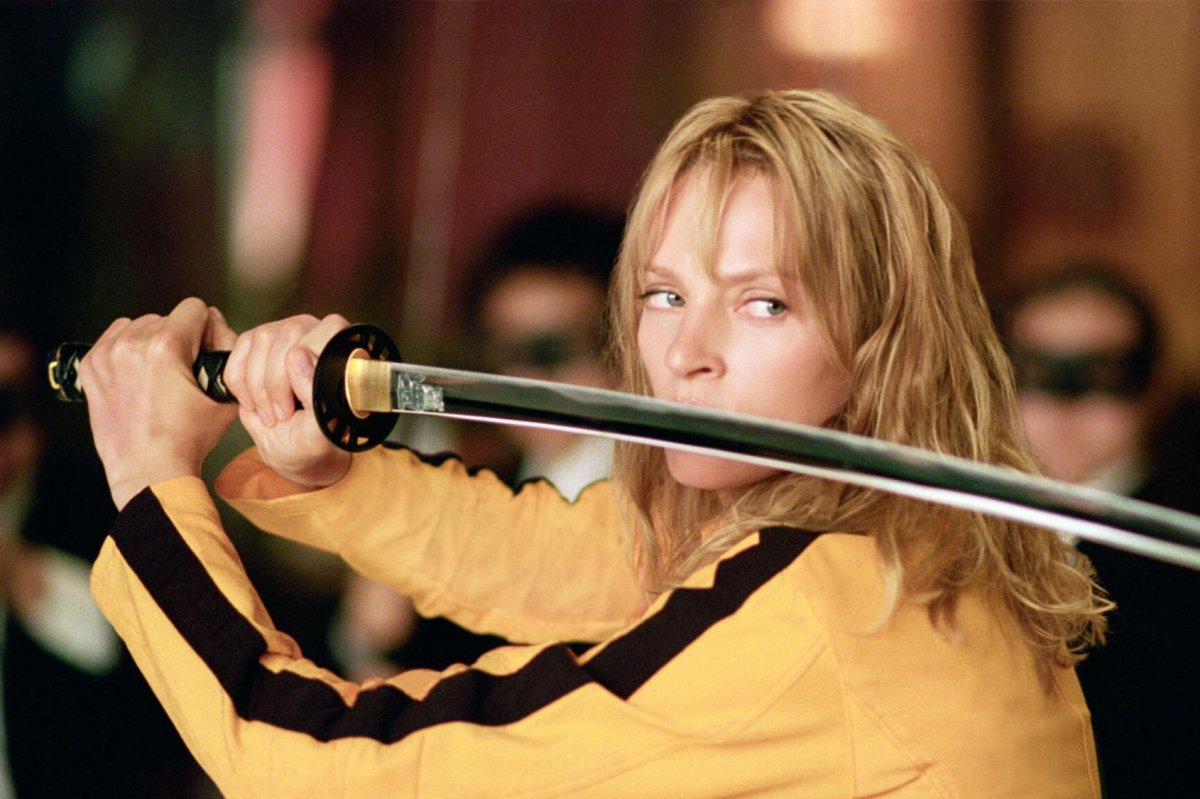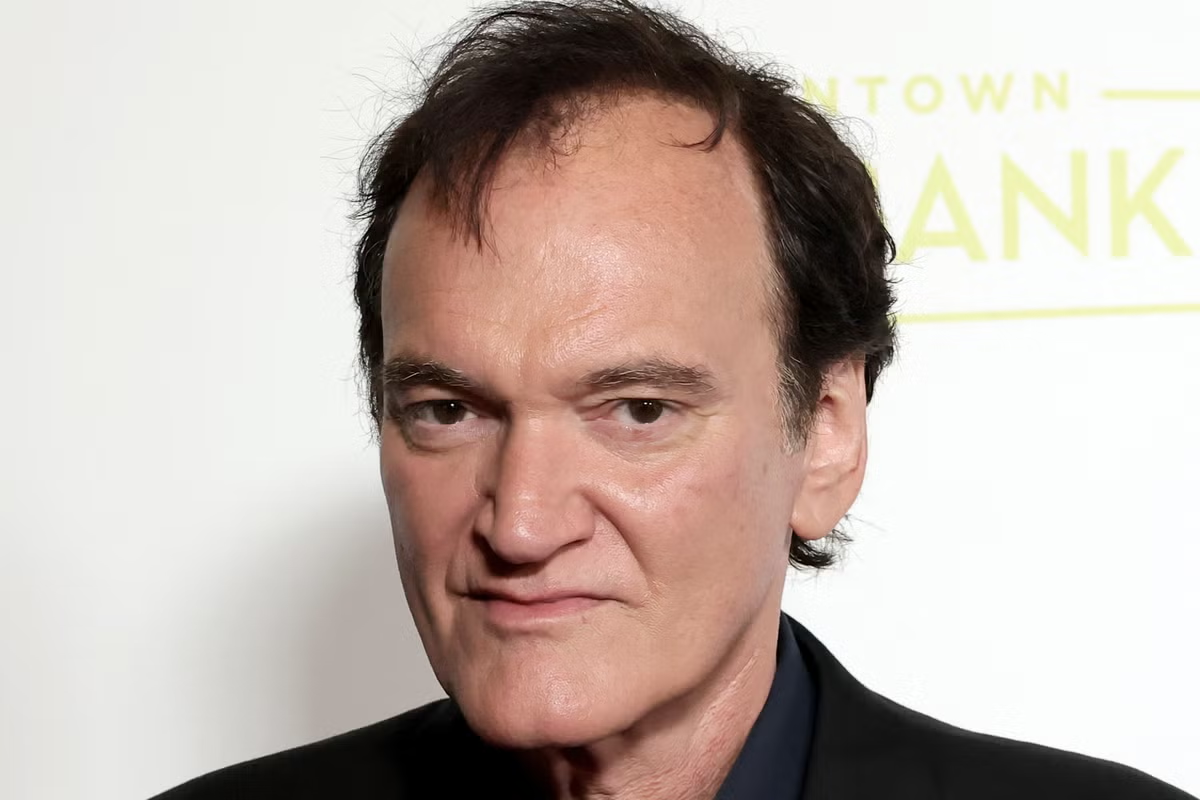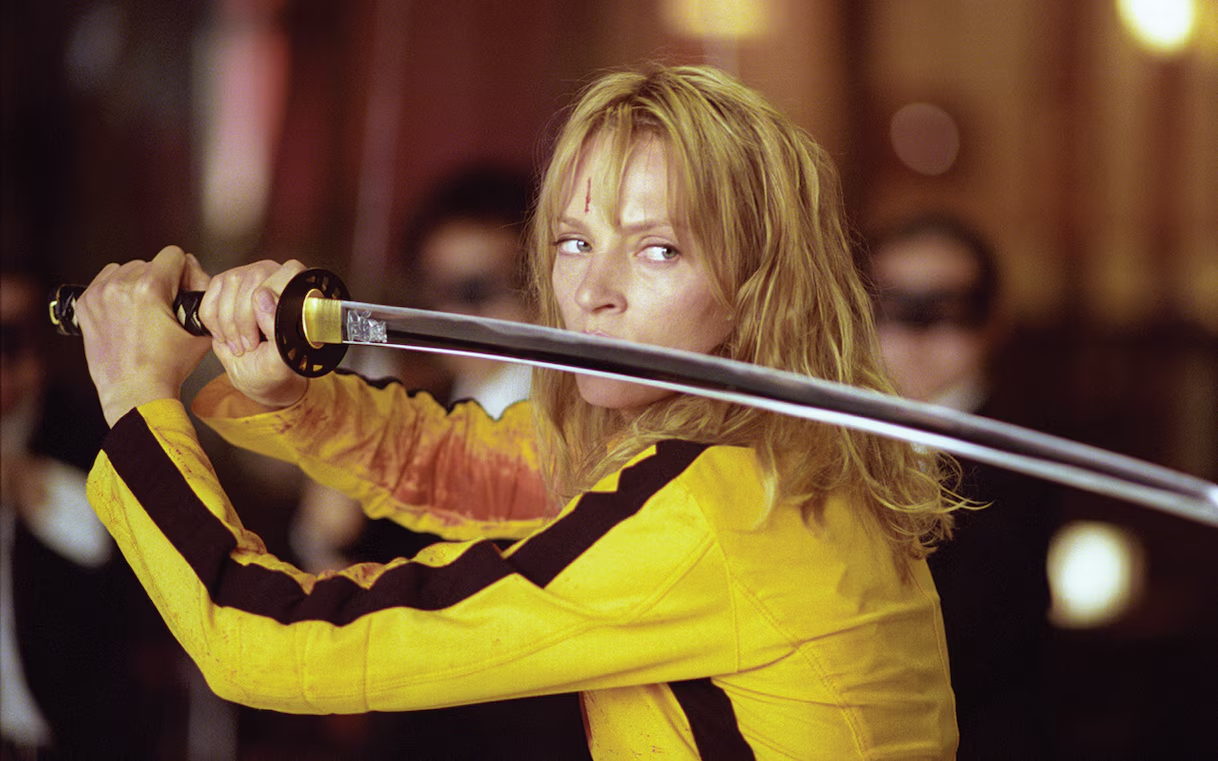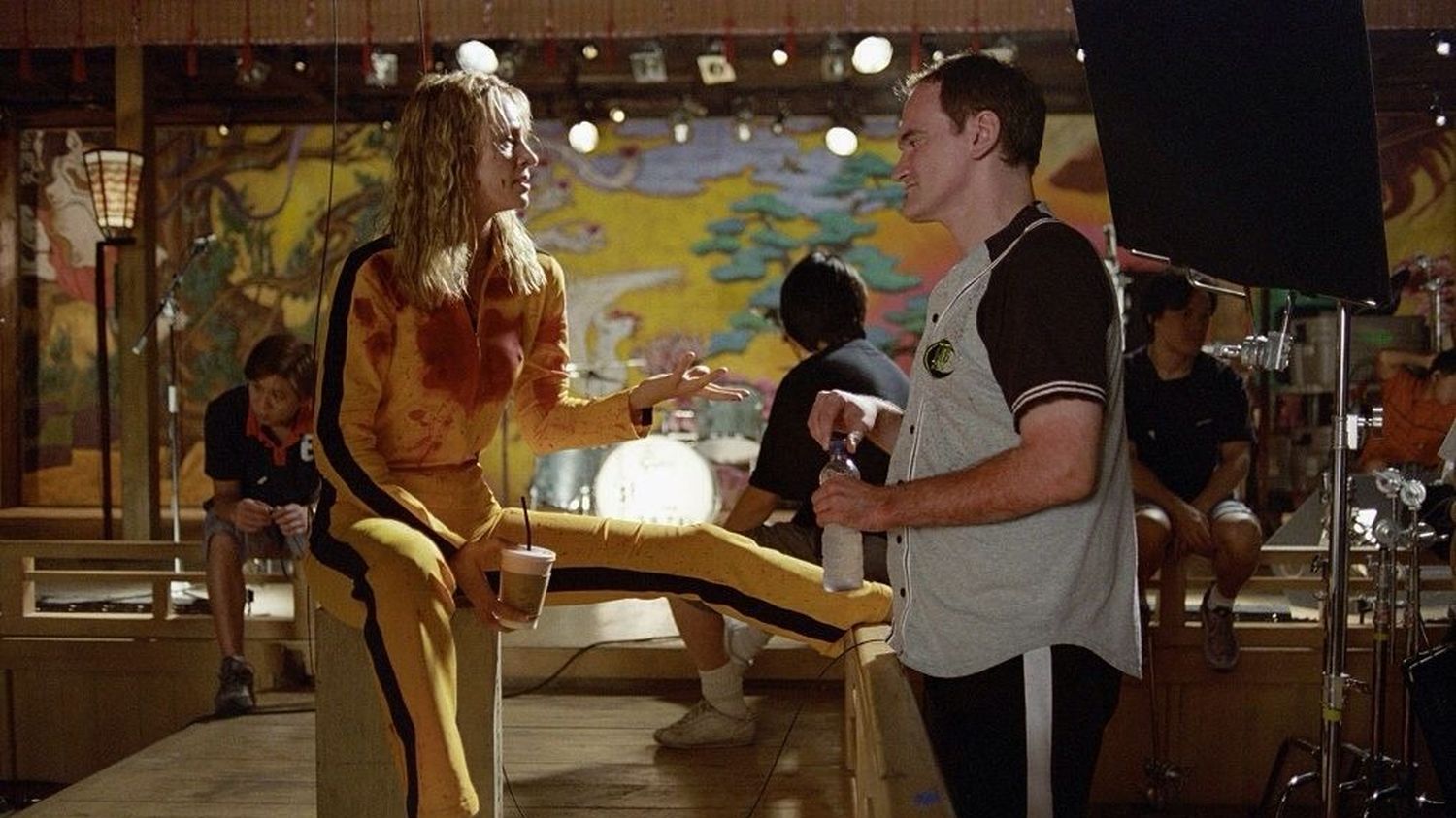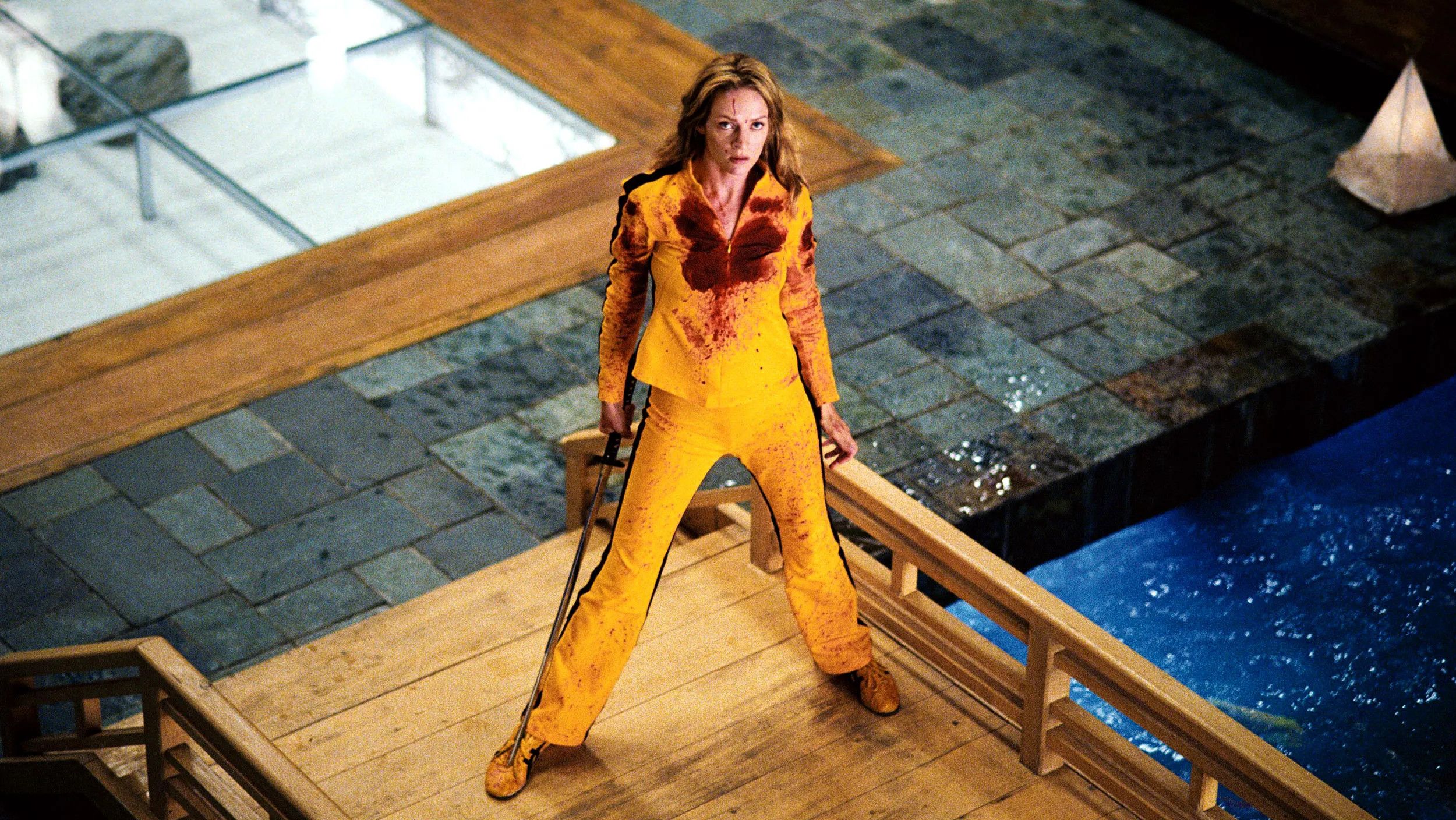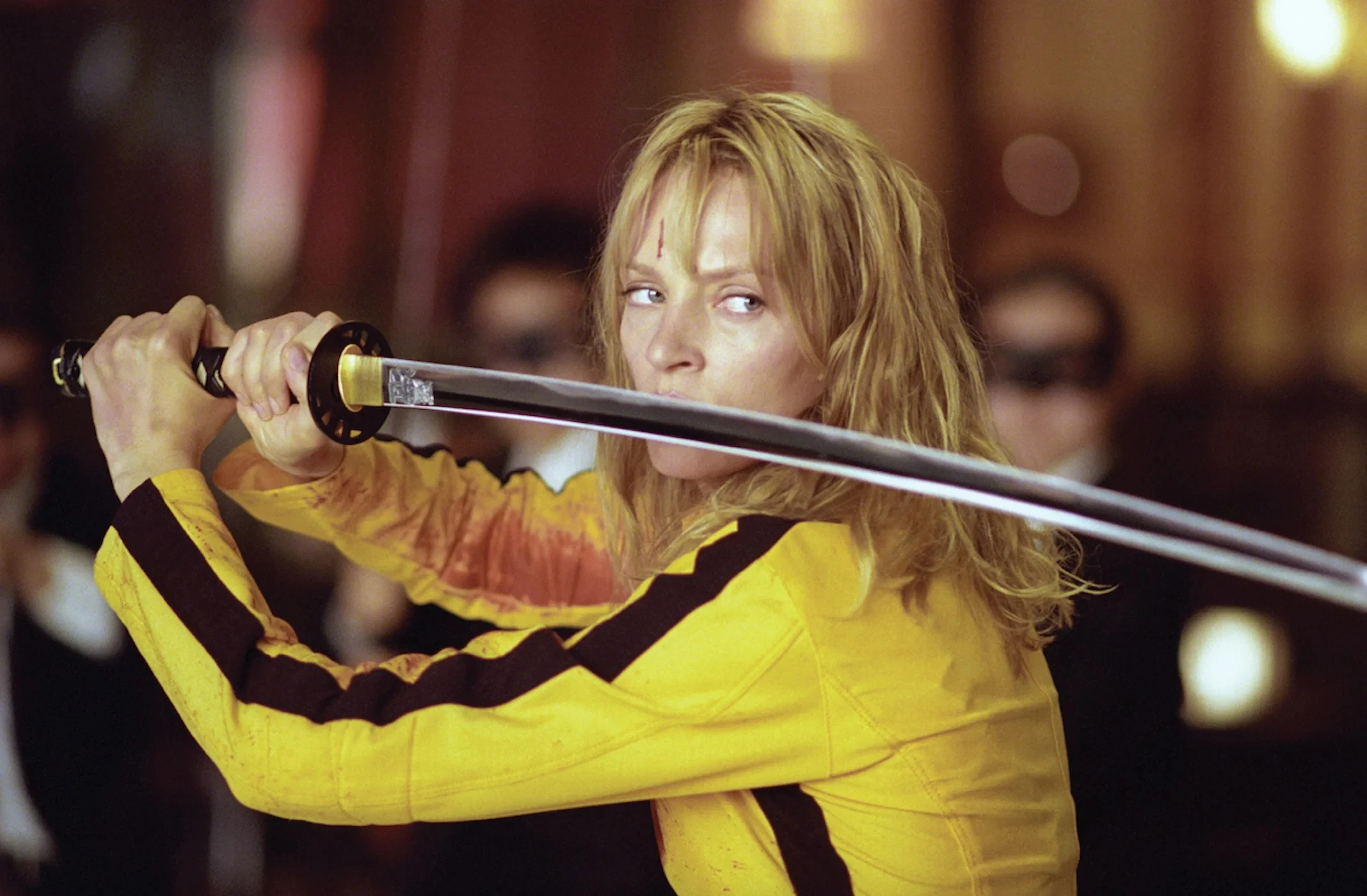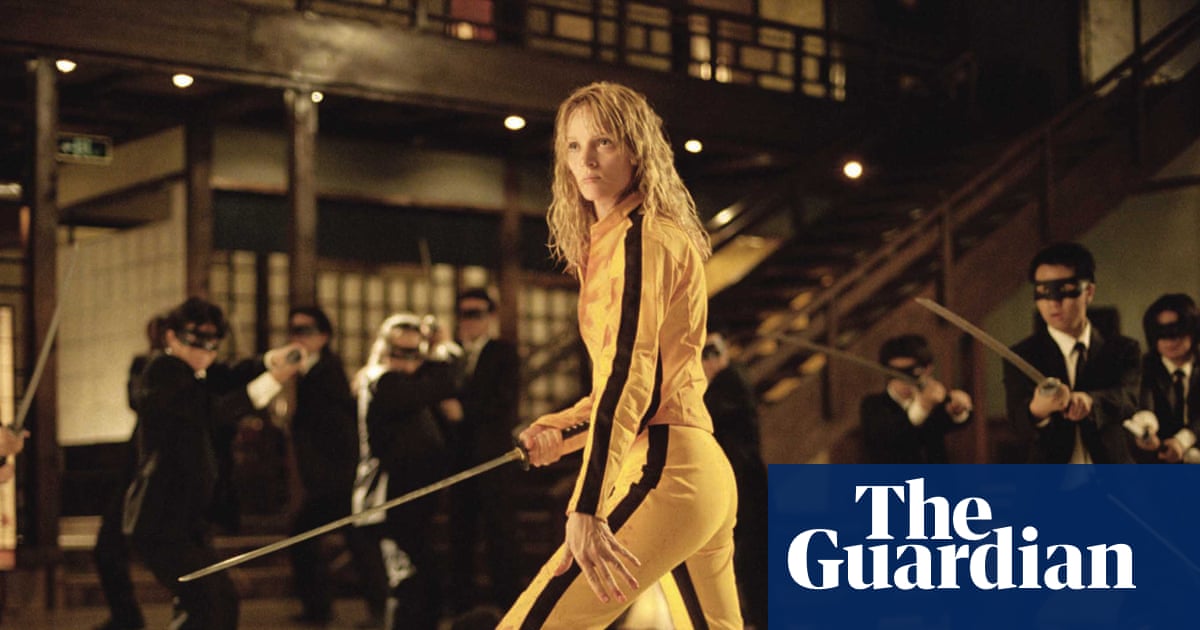
The director’s two-part revenge saga has now been released as one mammoth movie with tweaks and additions here and there
Q
uentin Tarantino and his epic revenge saga Kill Bill had, as the vengeful lead character in the movie keeps saying, unfinished business. Actually, Tarantino mostly finished the business of re-integrating two volumes of Kill Bill into a single feature as early as 2006, just a couple of years after the release of Kill Bill: Vol 2. But while that version played at Cannes and had a few more recent runs at Tarantino-owned theaters in Los Angeles, it never reached home video (though some bootlegs attempted to recreate it) or a wide theatrical release. That’s all changed with this weekend’s debut of Kill Bill: The Whole Bloody Affair, a four-and-a-half-hour version of the movie hitting over 1,000 screens across North America.
Tarantino made long movies before and after Kill Bill; features that run over two-and-a-half hours make up the vast majority of his filmography. But in the early 2000s, Kill Bill represented a major pivot for the film-maker, away from his then-signature crime dramas with healthy helpings of black comedy. Tarantino and his Pulp Fiction star Uma Thurman cooked up the character of the Bride – “Q & U” are named as providers of the source material in the credits – as a pregnant ex-assassin who becomes the victim of a vicious wedding-eve attack from her ex-boss/lover (that would be Bill) and their lethal colleagues (those would be the other four on her “death list five”, a phrase whose rhythm recalls Fox Force Five, the fictional TV pilot Thurman’s character in Pulp Fiction once starred in). The Bride unexpectedly survives the shooting, goes into a coma, and wakes up years later desperate for revenge, forming the backbone of a movie that pays extensive tribute to the kung fu, exploitation, and revenge movies of Tarantino’s youth – and his dreams, if the vividly colorful look of the film is any indication.