(This article is part of the View From India newsletter curated by The Hindu’s foreign affairs experts. To get the newsletter in your inbox every Monday, subscribe here.)
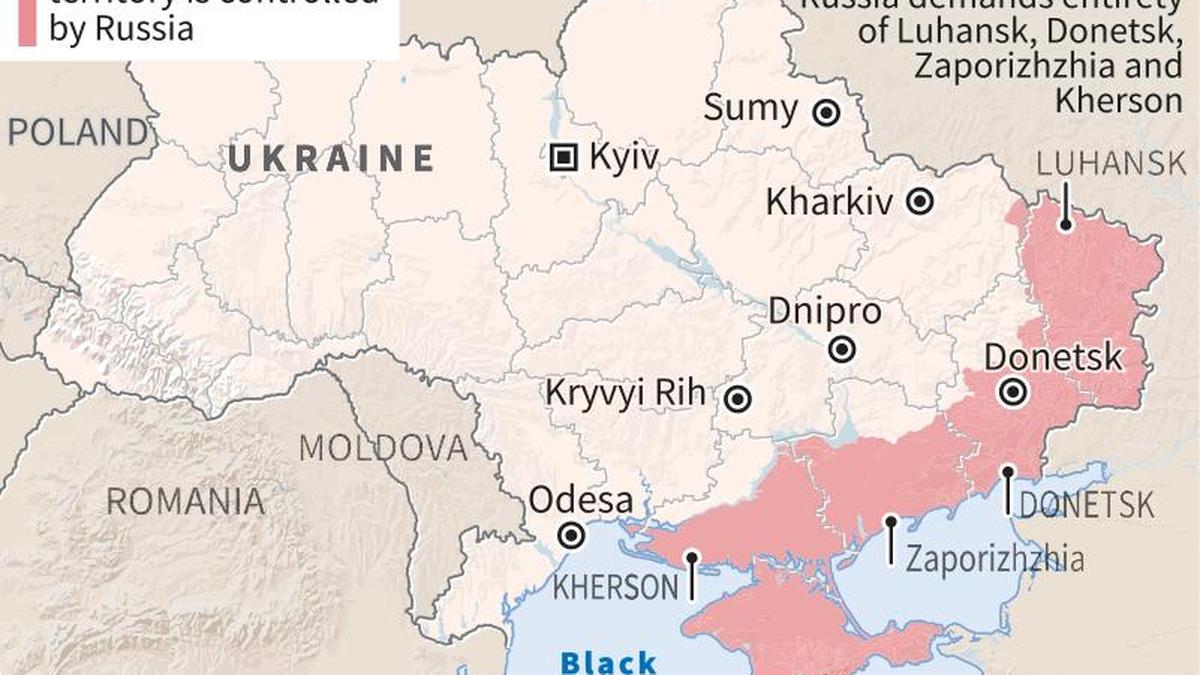
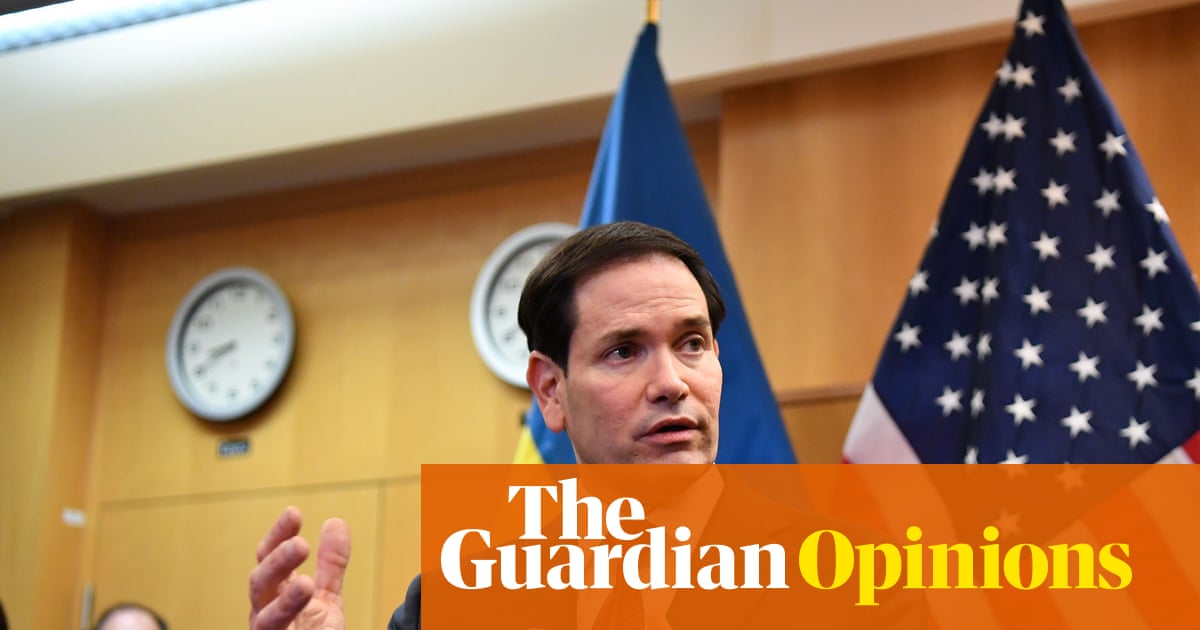
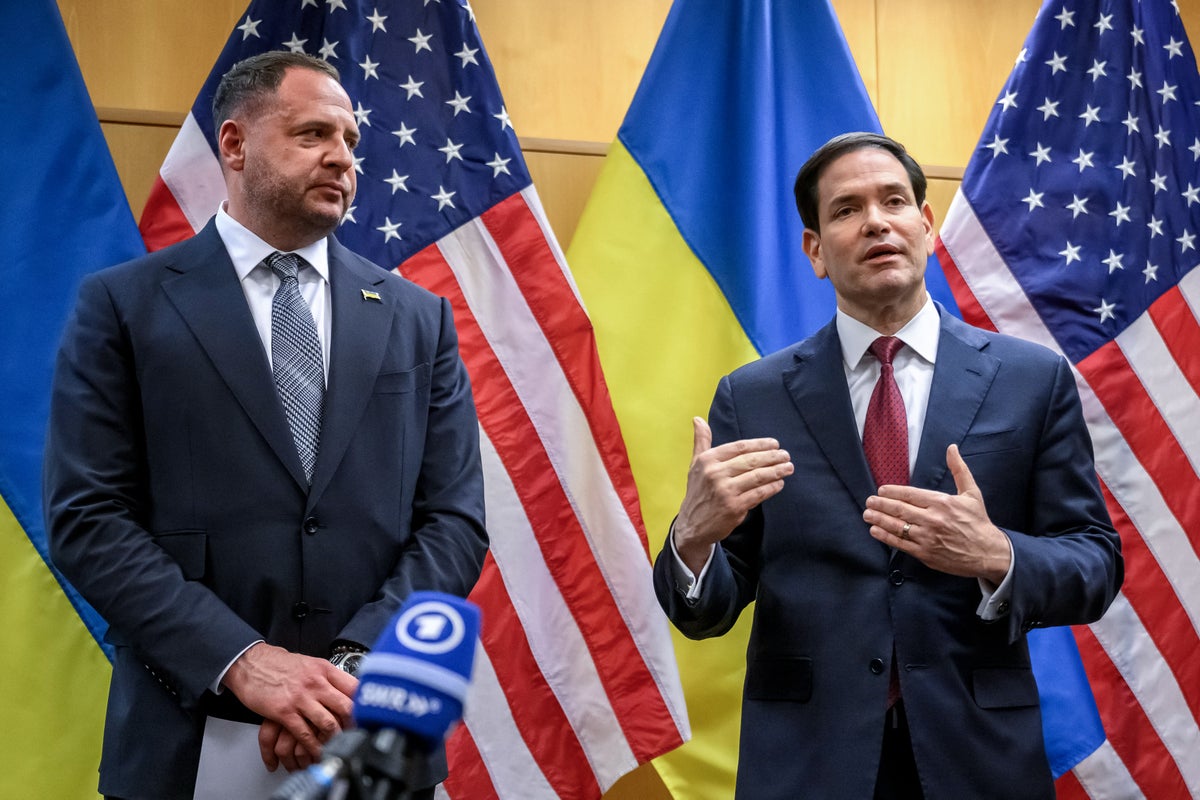
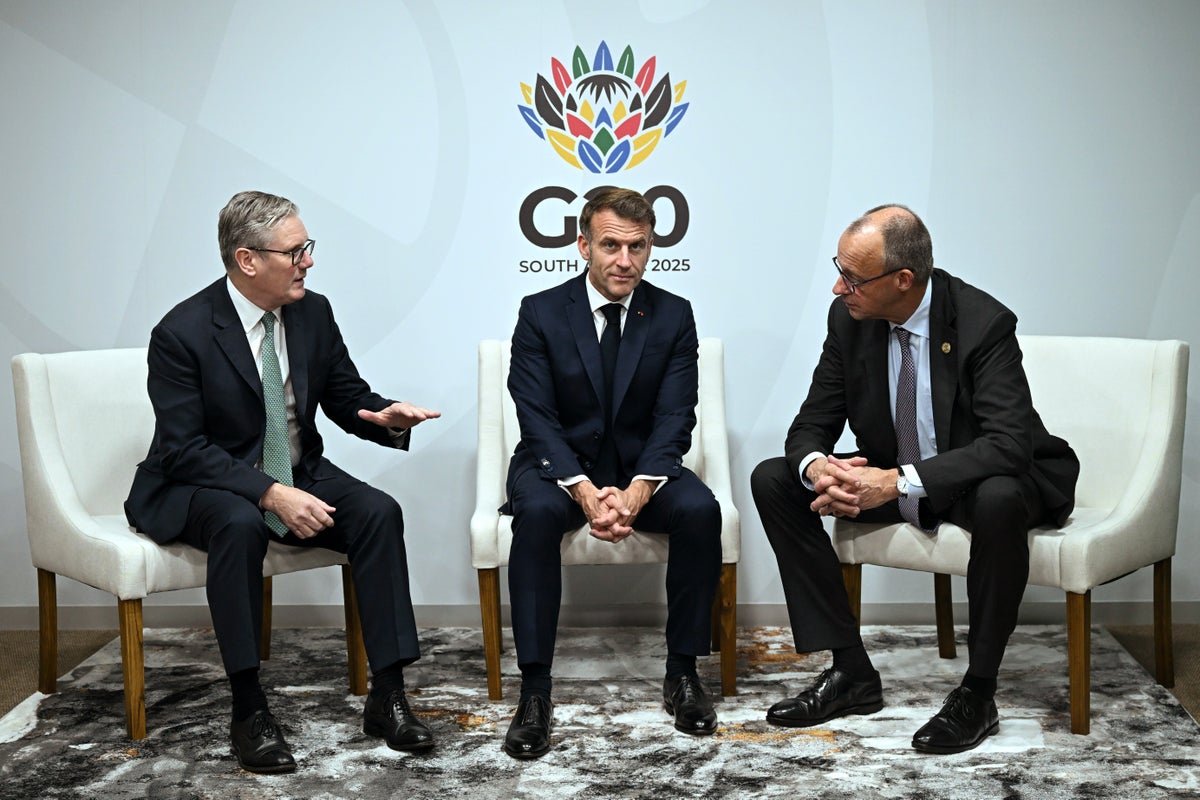
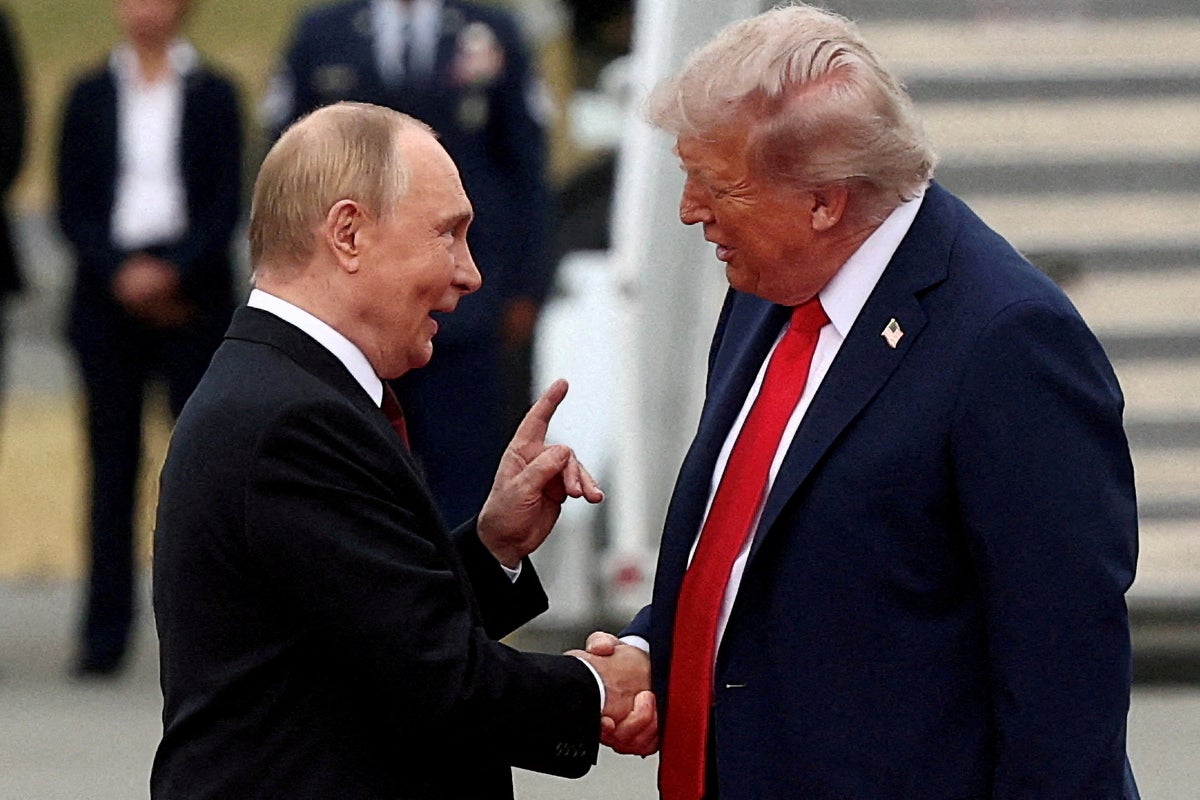
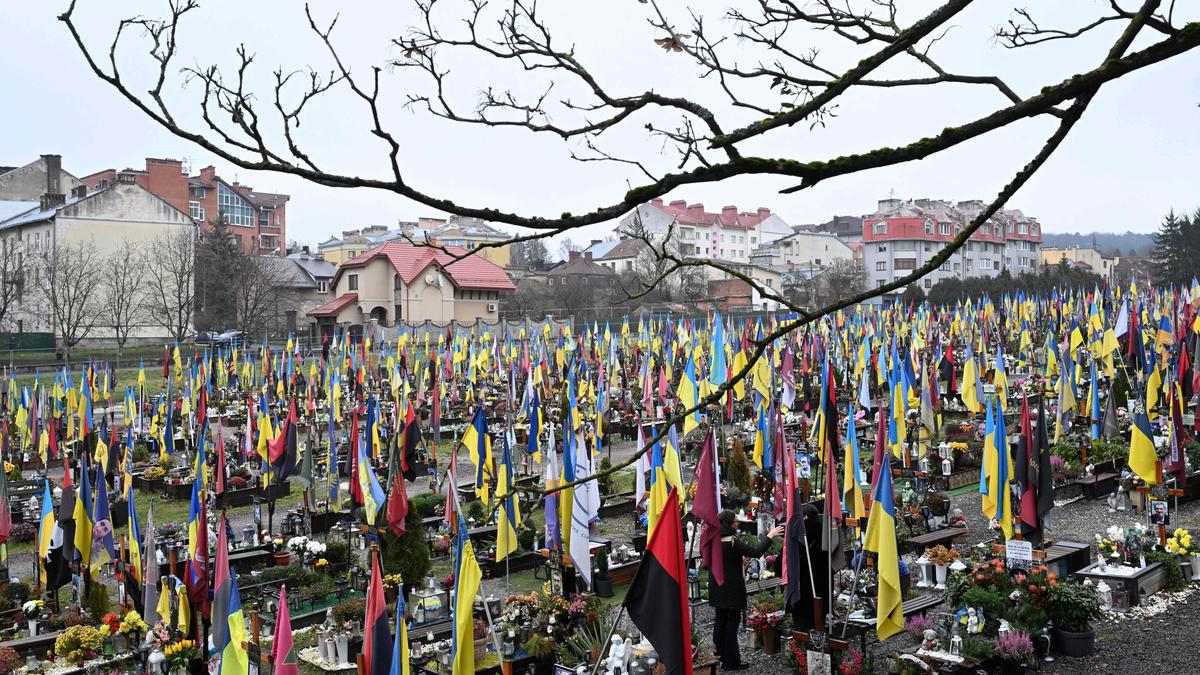
U.S. President Donald Trump’s 28-point peace plan has triggered a volley of diplomatic parleys involving the U.S., Russia, Ukraine and Europe. The Trump plan, which we explained in this peace late last month, was criticised for being pro-Russian. According to the plan, Ukraine should cede territory in Donbas, renounce its NATO ambitions, put a cap on its armed forces and accept de facto Russian control of the territories it has captured. In return, Russia would promise not to attack its neighbouring countries. Russia would also be reintegrated into the global economy. Ukraine’s leaders met their European counterparts in Geneva after receiving the draft Trump plan and offered an alternative proposal. They later travelled to Florida to meet U.S. Secretary of State Marco Rubio, Mr. Trump’s son-in-law Jared Kushner and special envoy Steve Witkoff to discuss the plan. Ukrainian officials said talks were not easy and that they were looking forward to the next round of U.S.-Russia talks. In the words of Mr. Rubio,“The end goal, obviously, is not just the end of the war. It’s also about securing an end to the war that leaves Ukraine sovereign and independent and with an opportunity at real prosperity.”