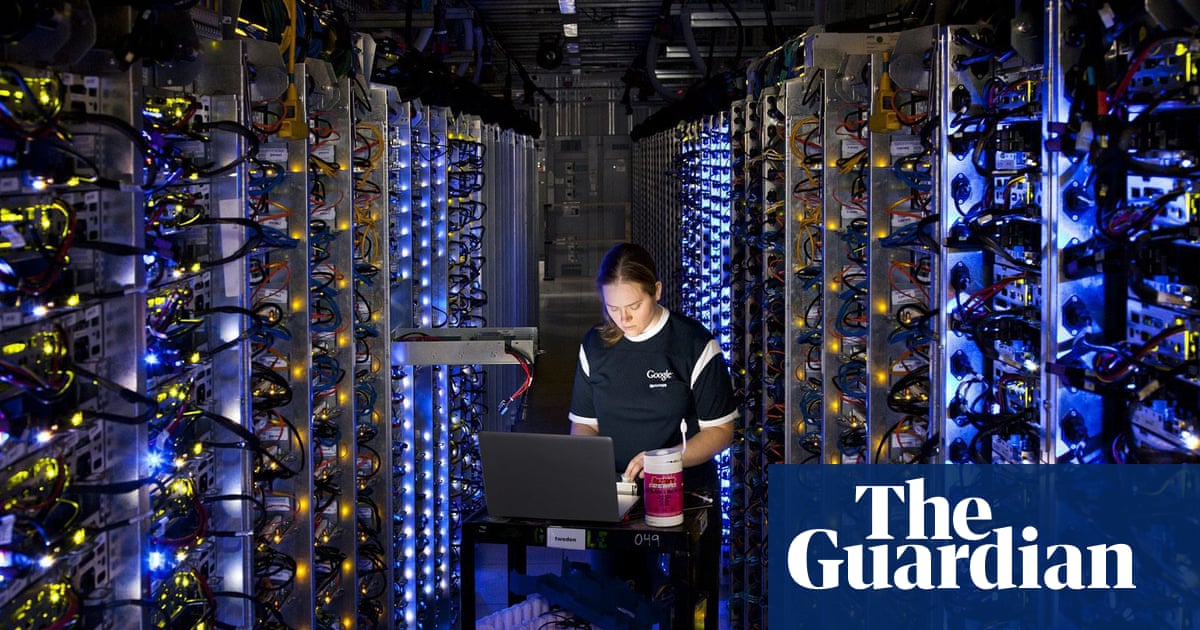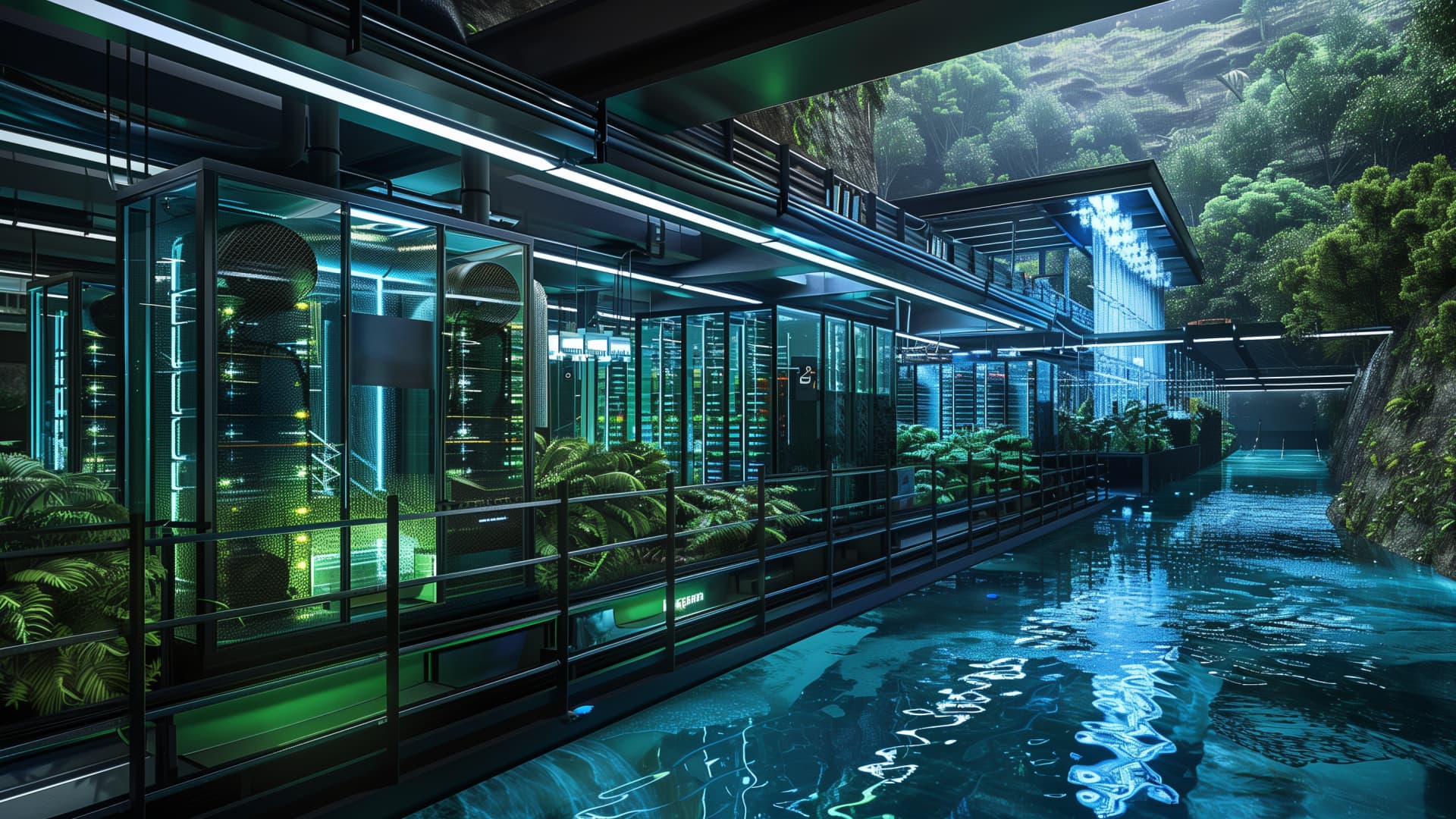
The rapid expansion of artificial intelligence and cloud services has led to a massive demand for computing power. The surge has strained data infrastructure, which requires lots of electricity to operate. A single, medium-sized data center here on Earth can consume enough electricity to power about 16,500 homes, with even larger facilities using as much as a small city.
Over the past few years, tech leaders have increasingly advocated for space-based AI infrastructure as a way to address the power requirements of data centers.
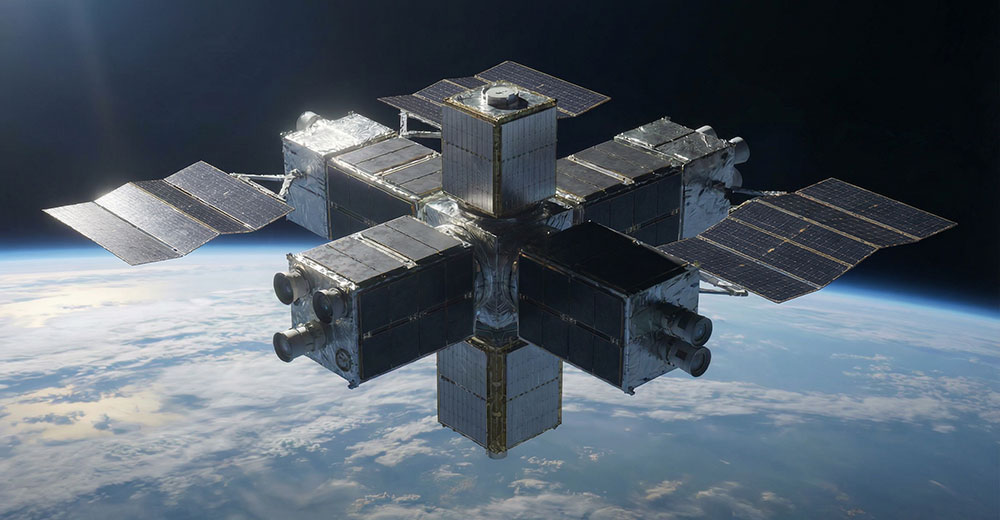
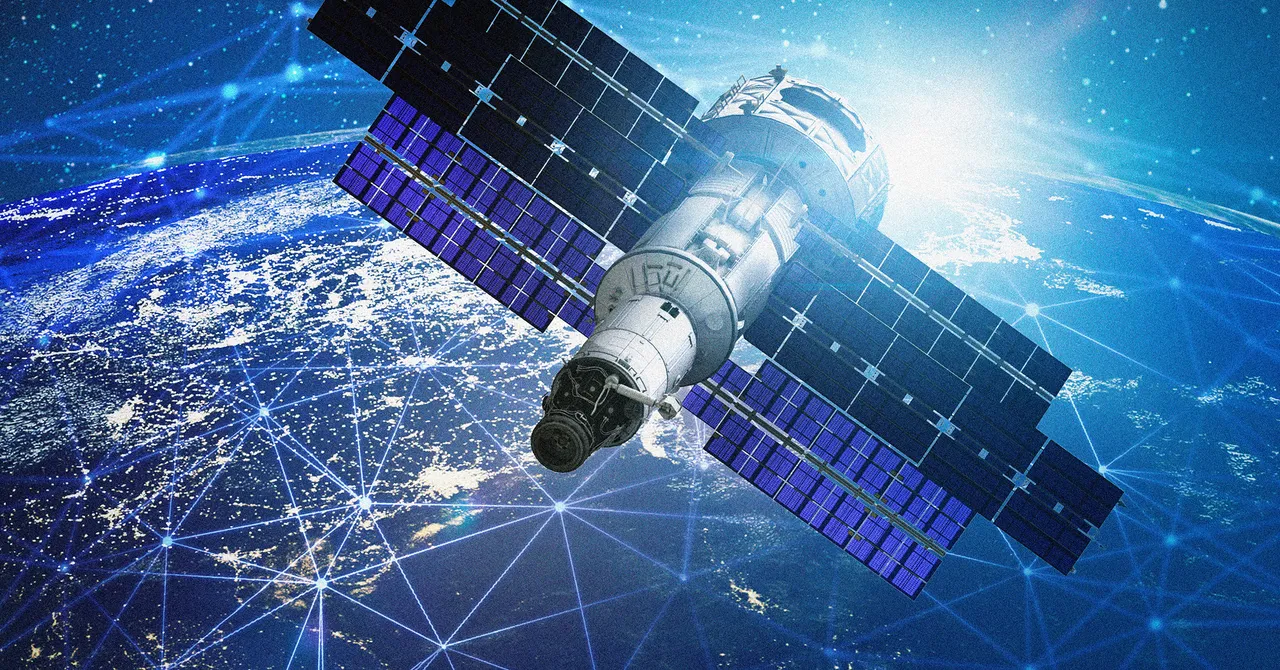
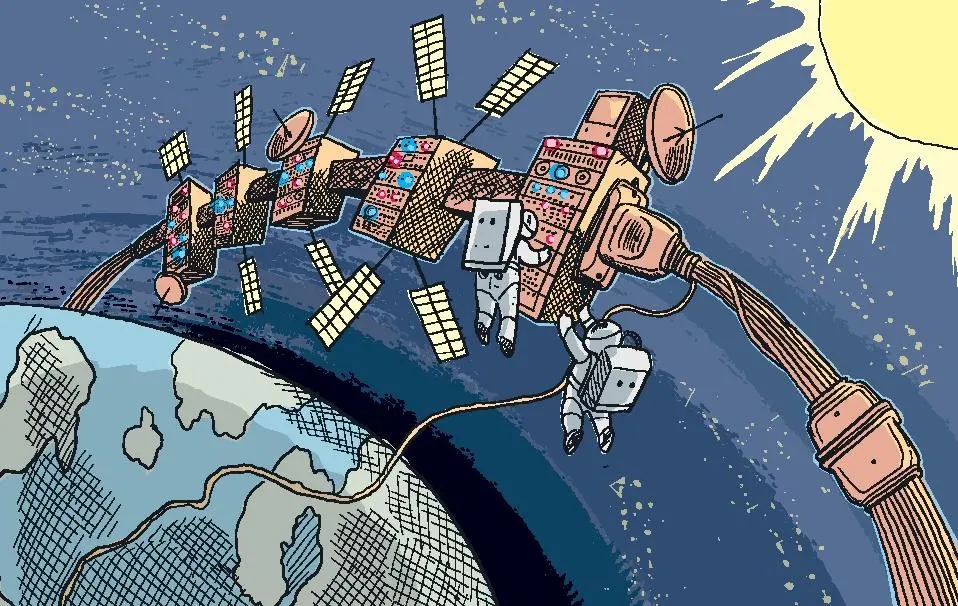
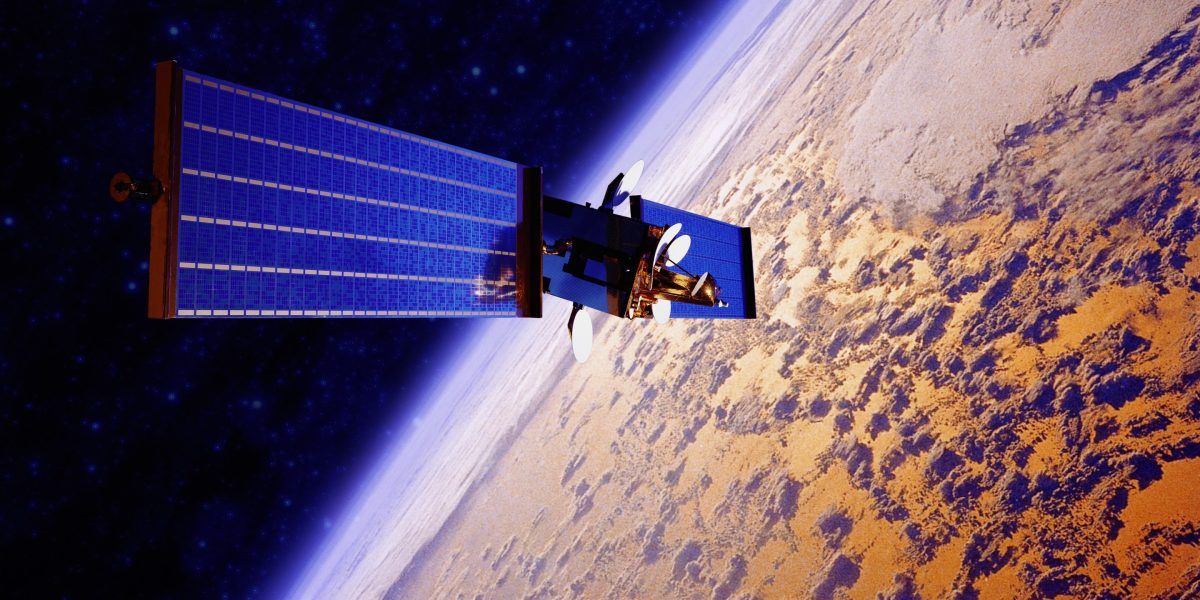
In space, sunshine – which solar panels can convert into electricity – is abundant and reliable. On Nov. 4, 2025, Google unveiled Project Suncatcher, a bold proposal to launch an 81-satellite constellation into low Earth orbit. It plans to use the constellation to harvest sunlight to power the next generation of AI data centers in space. So, instead of beaming power back to Earth, the constellation would beam data back to Earth.
For example, if you asked a chatbot how to bake sourdough bread, instead of firing up a data center in Virginia to craft a response, your query would be beamed up to the constellation in space, processed by chips running purely on solar energy, and the recipe sent back down to your device. Doing so would mean leaving the substantial heat generated behind in the cold vacuum of space.