ABIDJAN: Nouhoun Sidibè was a herder, like his father and grandfather, and took pride in his identity as a pastoralist. That’s until the day armed men descended on his home in northern Burkina Faso and seized all his livestock.
Within minutes on that day in 2020, the father of four lost everything.
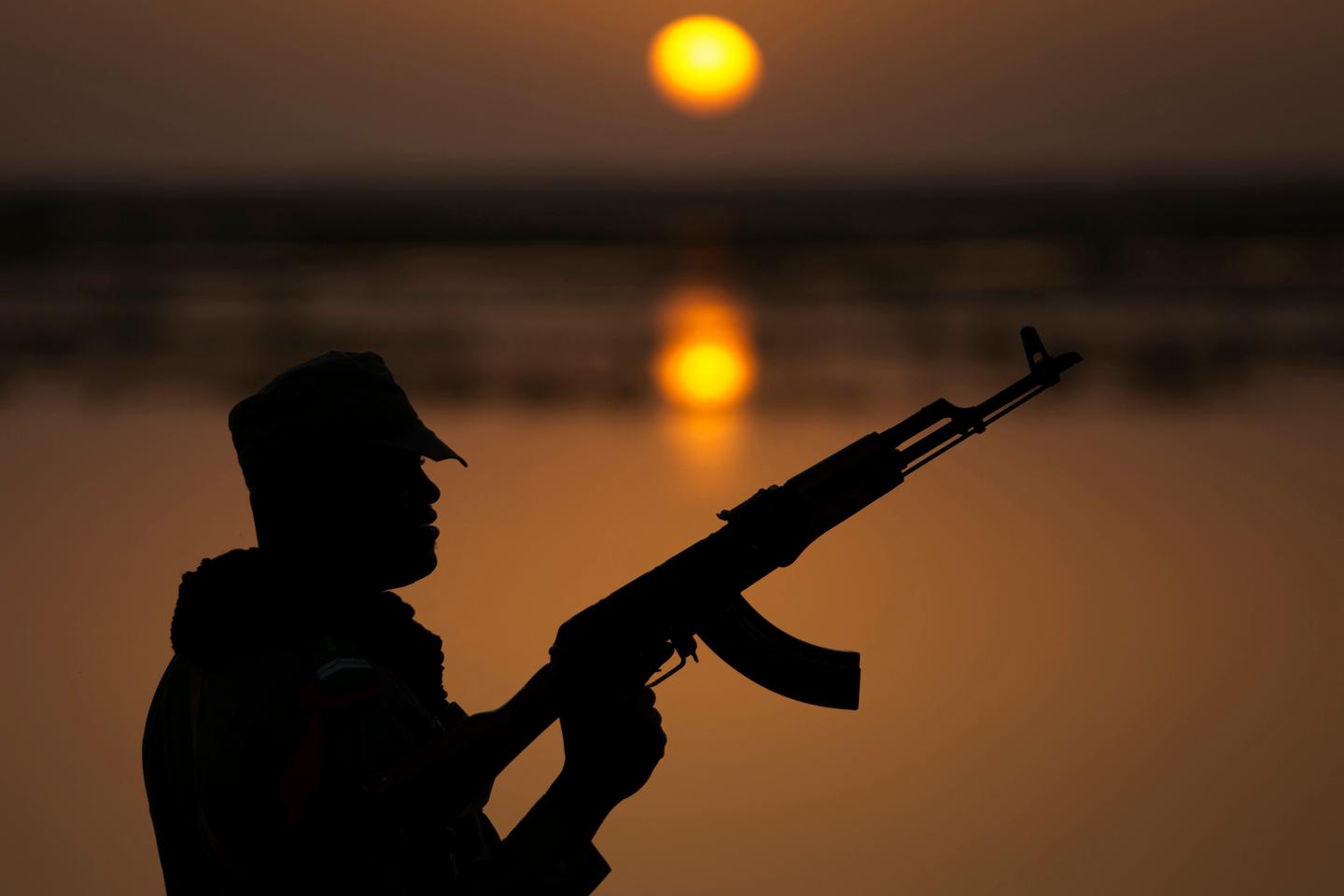
For the next three years, he wandered from town to town looking for jobs in the landlocked West African nation that faces growing attacks by armed groups, with some of the fighters linked to Al-Qaeda. He had no luck, and decided to try neighboring Ivory Coast in 2023.
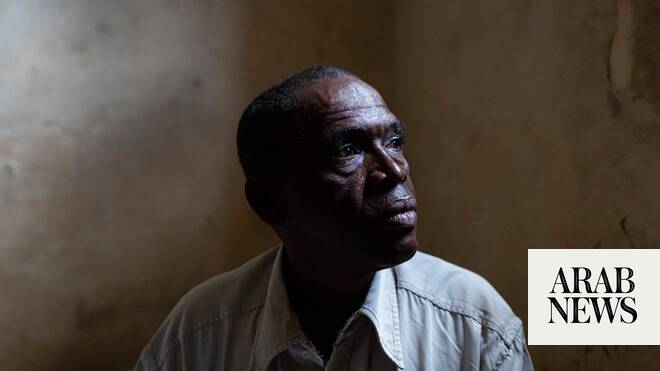
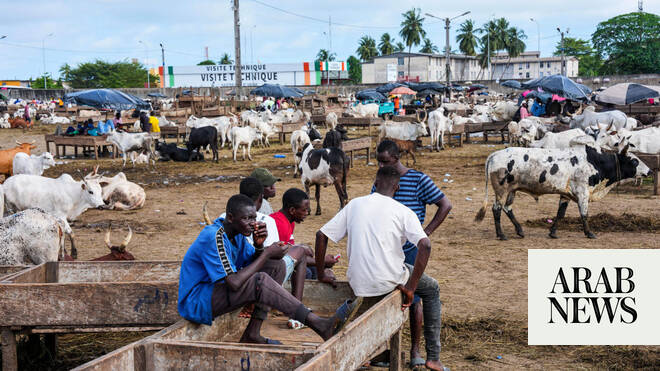
“I feel very, very lost. I was a chief, and now I have come here and I am working for someone else,” the 49-year-old Sidibè told The Associated Press at a stockyard in a swampy wasteland on the outskirts of Abidjan, the Ivory Coast capital. He and other migrants live in a cramped space with no bathroom or kitchen.
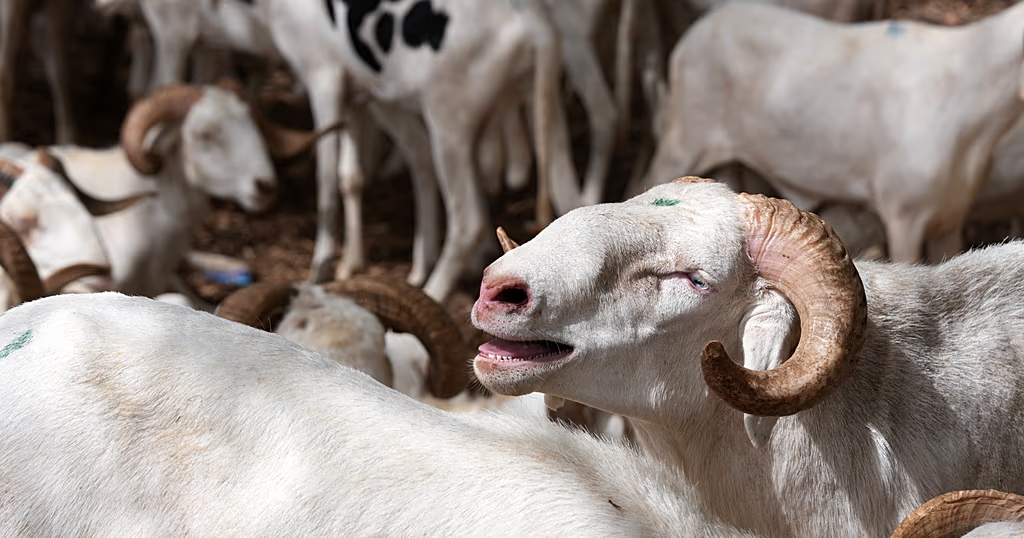
The sprawling conflict in the Sahel, a vast semi-arid stretch south of the Sahara desert, has sent thousands of herders to safer areas on the fringes of Abidjan, where they struggle to adapt to city life with rising costs and soaring unemployment. Sidibè now gets by helping cattle sellers vaccinate their herds.