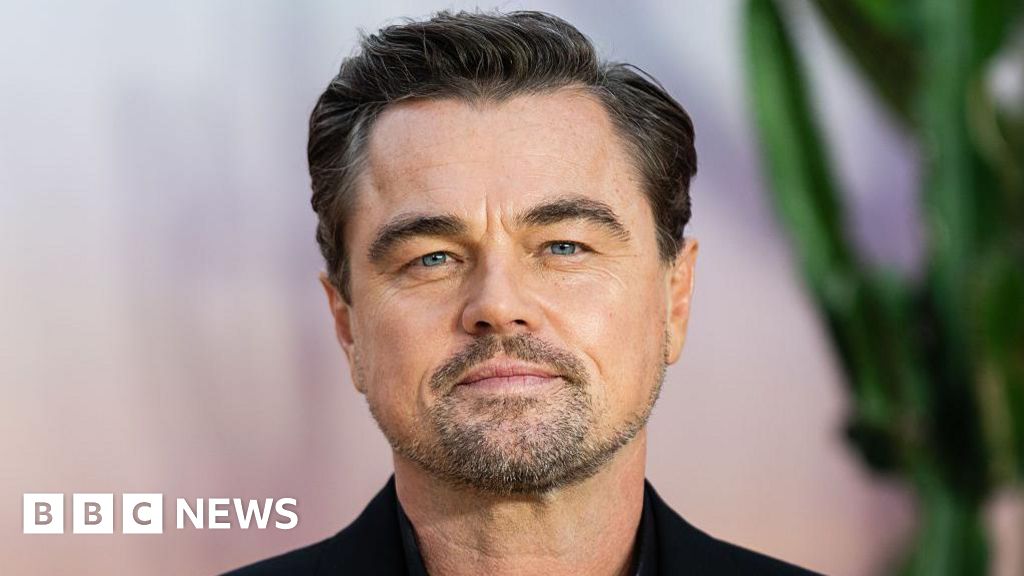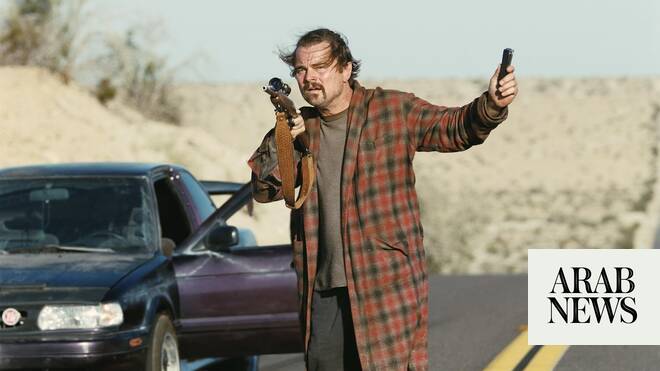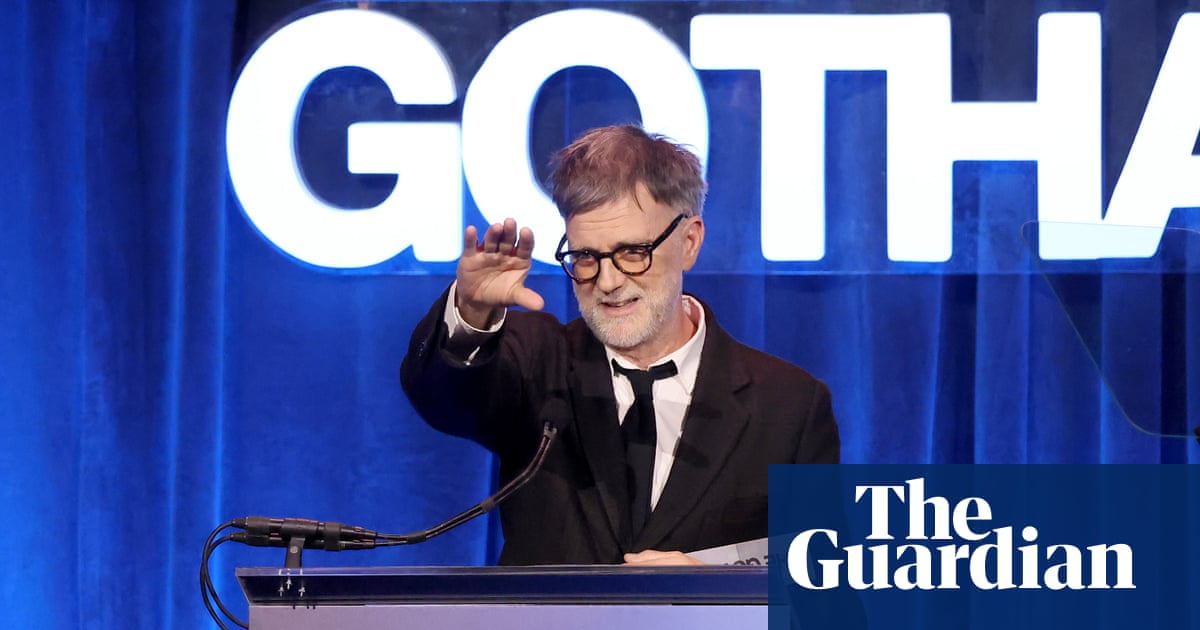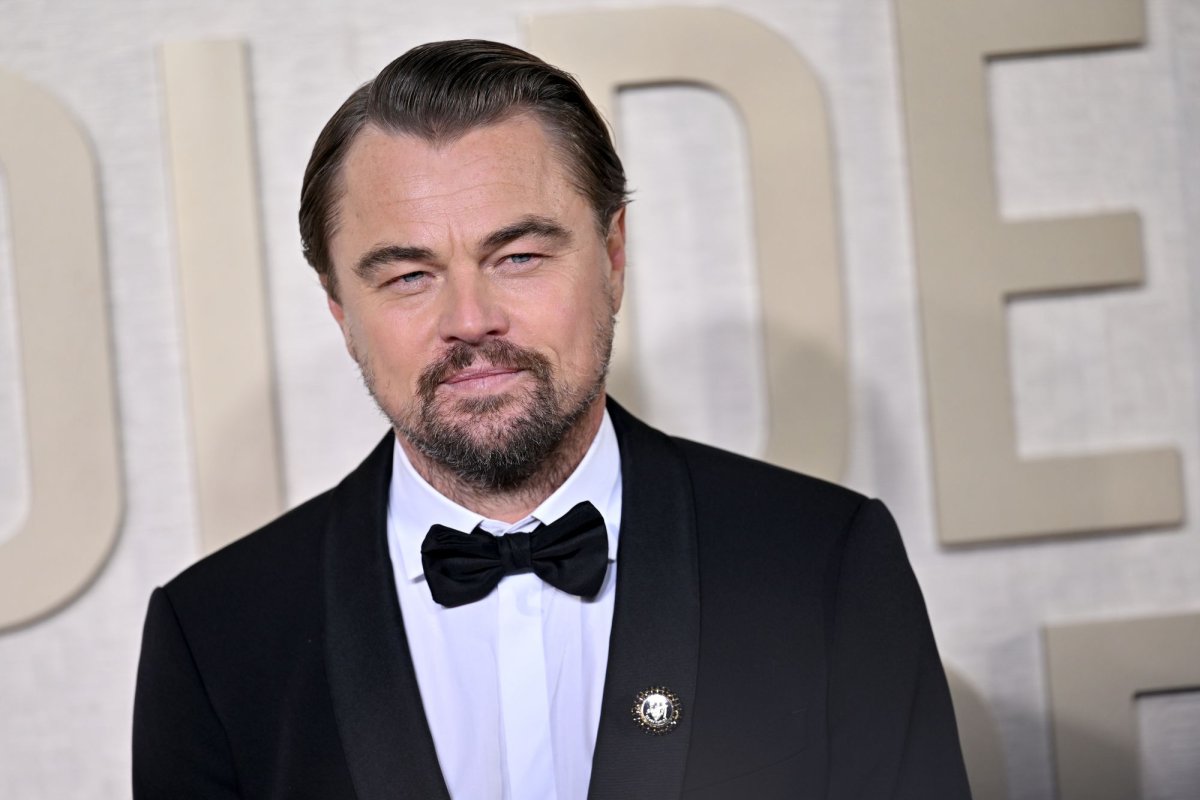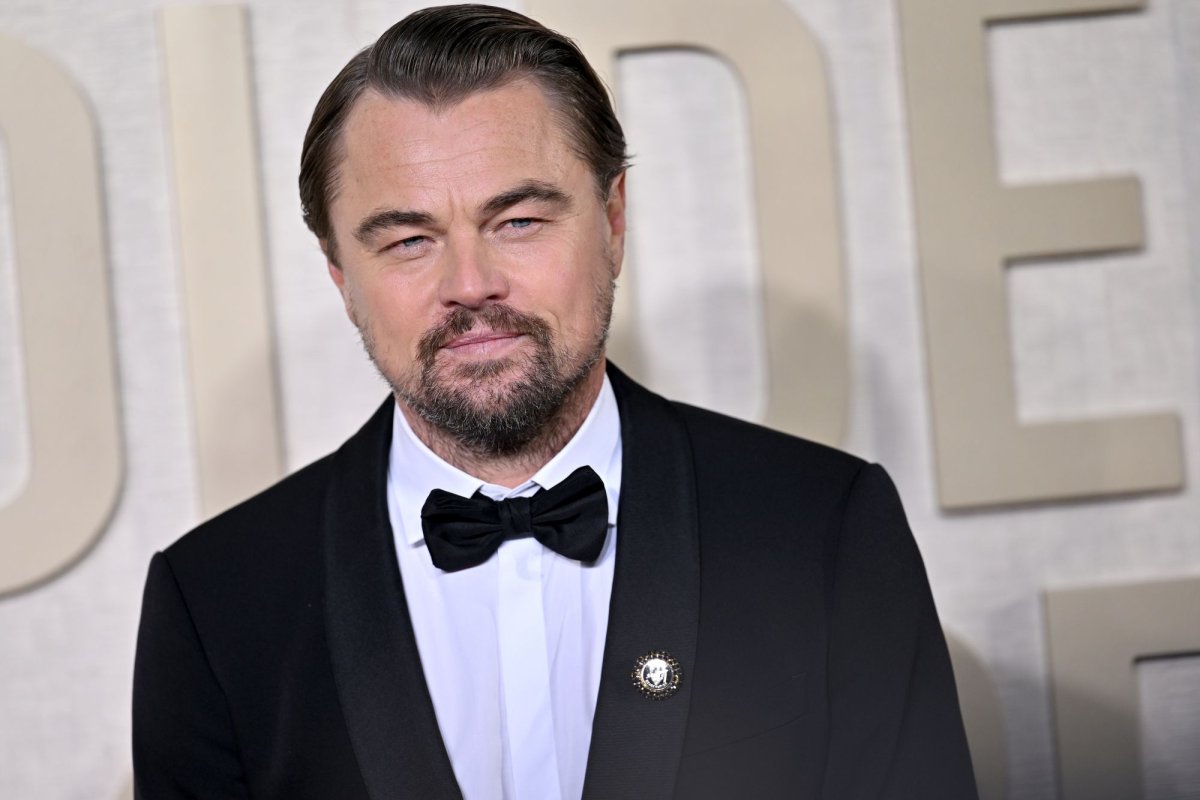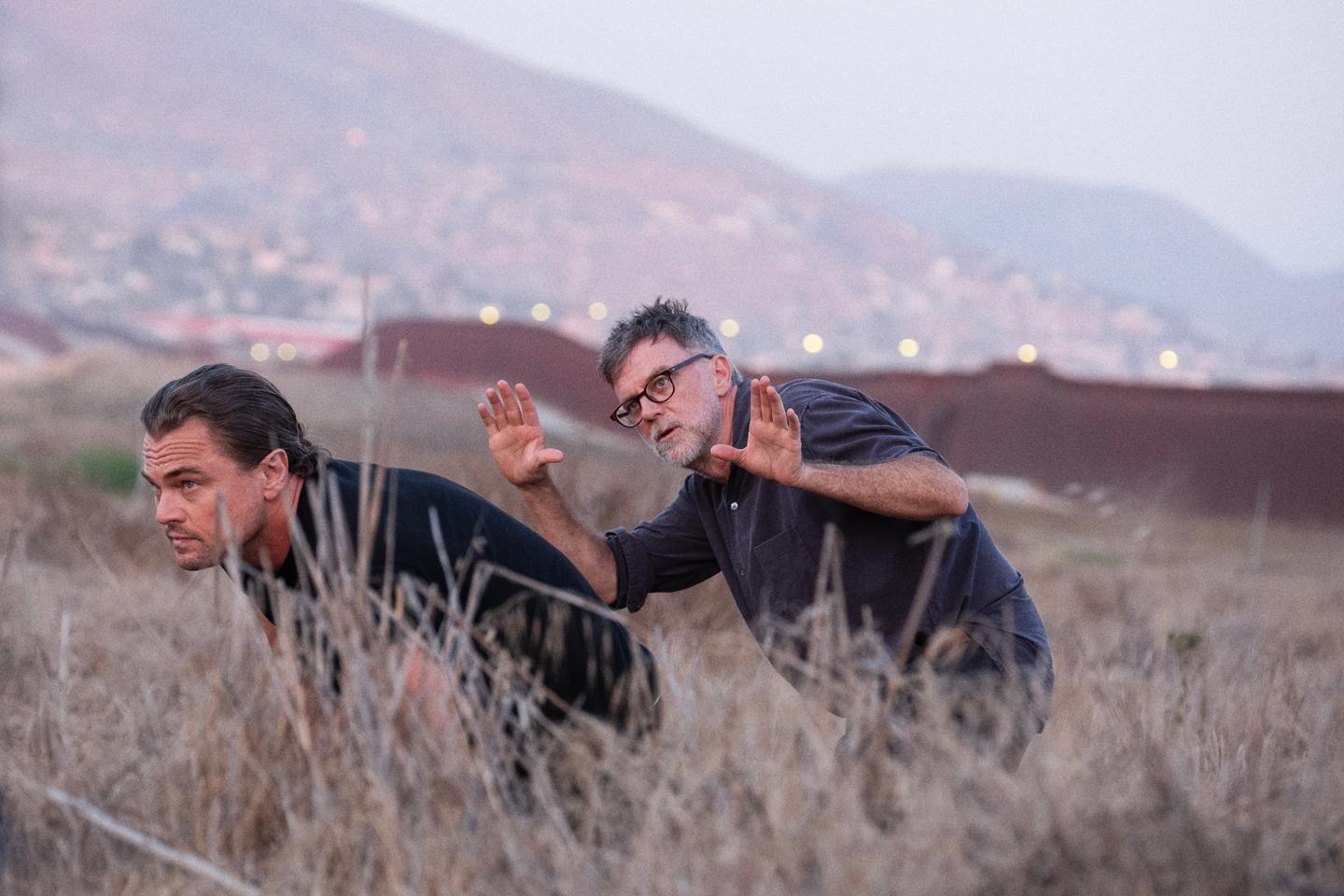
Leonardo DiCaprio and Paul Thomas Anderson on the set of the film "One Battle After Another." WARNER BROS PICTURES
It had been a long time since an American film sparked so much debate, so many opinions and so many attempts at appropriation. Since its release at the end of September, One Battle After Another has carved out a place for itself as one of the season's cultural events, becoming a catalyst in public discourse. For his 10th feature film, Paul Thomas Anderson clearly did not shy away from a challenge. After 30 years of an unblemished independent career (ranging from There Will Be Blood to Phantom Thread), he landed the largest budget of his career with Warner Bros. (estimated at $130 million) to tell the story of a group of revolutionary activists.
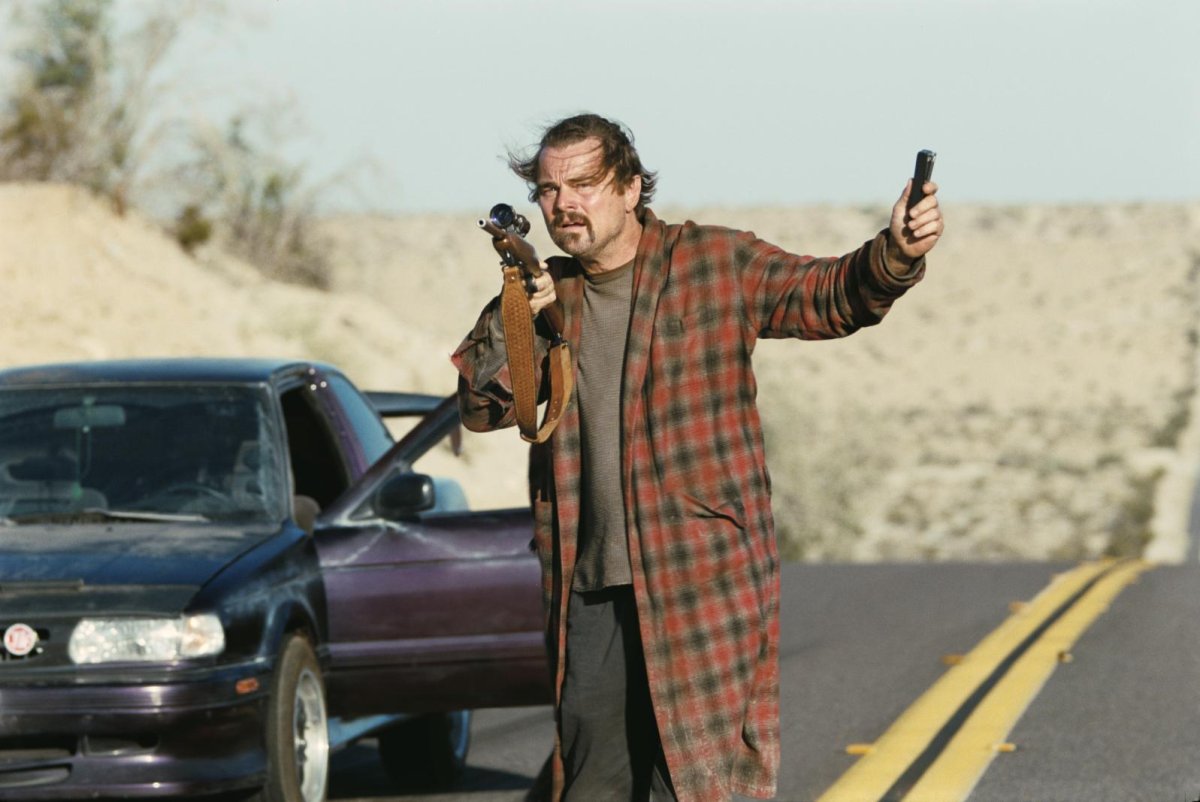
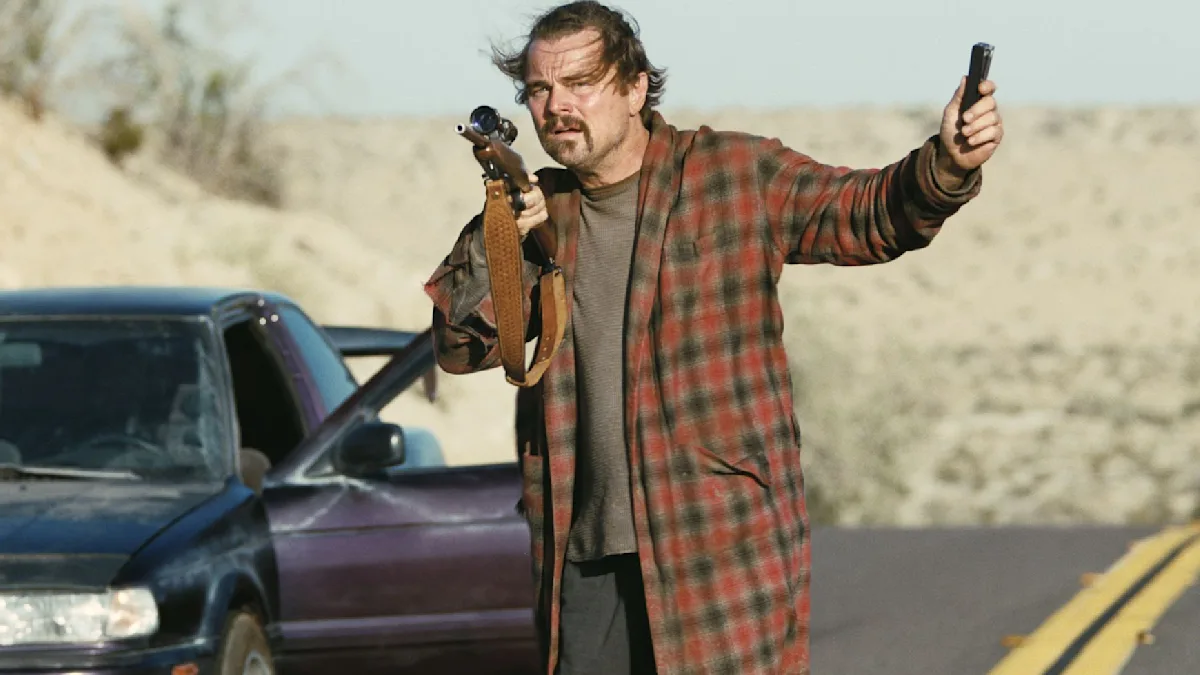
It was a double risk. Not only does Hollywood rarely depict radical politics, but the "auteur blockbuster" has fallen out of favor after a string of commercial failures including Furiosa, Joker: Folie à deux and Tron: Ares. The project needed a star to anchor it: Leonardo DiCaprio, who took on the wild role of Pat, a washed-up former leftist forced back into action when his longtime nemesis, a military leader played by Sean Penn, kidnaps his teenage daughter, played by Chase Infiniti.