T
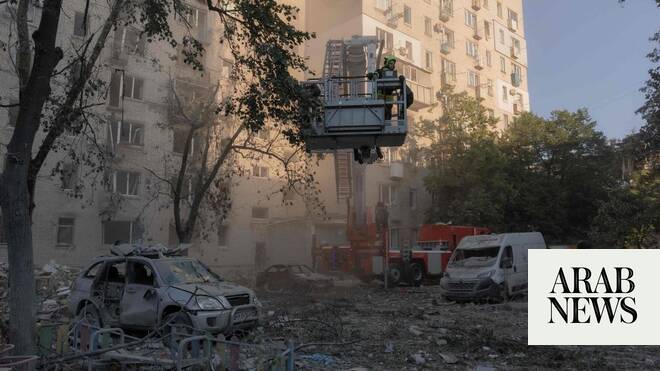
he timing is unsettling. On November 21, the United States administration unveiled a plan aimed at ending the war in Ukraine. Point 26 calls for a "full amnesty" for the actions of "all parties involved in this conflict," equating the aggressor, Moscow, with the victim, Kyiv. According to this plan, which favors Russia, both sides must pledge "not to make any claims or consider any complaints in the future."
A week later, on November 28, US President Donald Trump announced his intention to pardon Juan Orlando Hernandez, the former right-wing president of Honduras, who had been sentenced to 45 years in prison for drug trafficking in the US in 2024.
On November 30, Israeli Prime Minister Benjamin Netanyahu, who is facing corruption charges, submitted a formal request for a pardon to President Isaac Herzog, stating that "an immediate end to the trial would greatly help lower the flames and promote broad reconciliation, something our country desperately needs." Such a pardon would primarily serve to secure his political future, on the eve of crucial legislative elections for Israel's future and the fate of the Palestinian issue.
Netanyahu has also gone to great lengths to avoid being held accountable for the security disaster that led to the Hamas massacres of October 7, 2023. More than two years later, no investigative commission has been established to determine political responsibility, unlike the Agranat Commission set up after the Yom Kippur War in 1973 and the Kahan Commission that followed the massacres at the Palestinian refugee camps of Sabra and Shatila in September 1982, which were committed by Lebanese Christian militiamen as Israeli forces looked on.