M
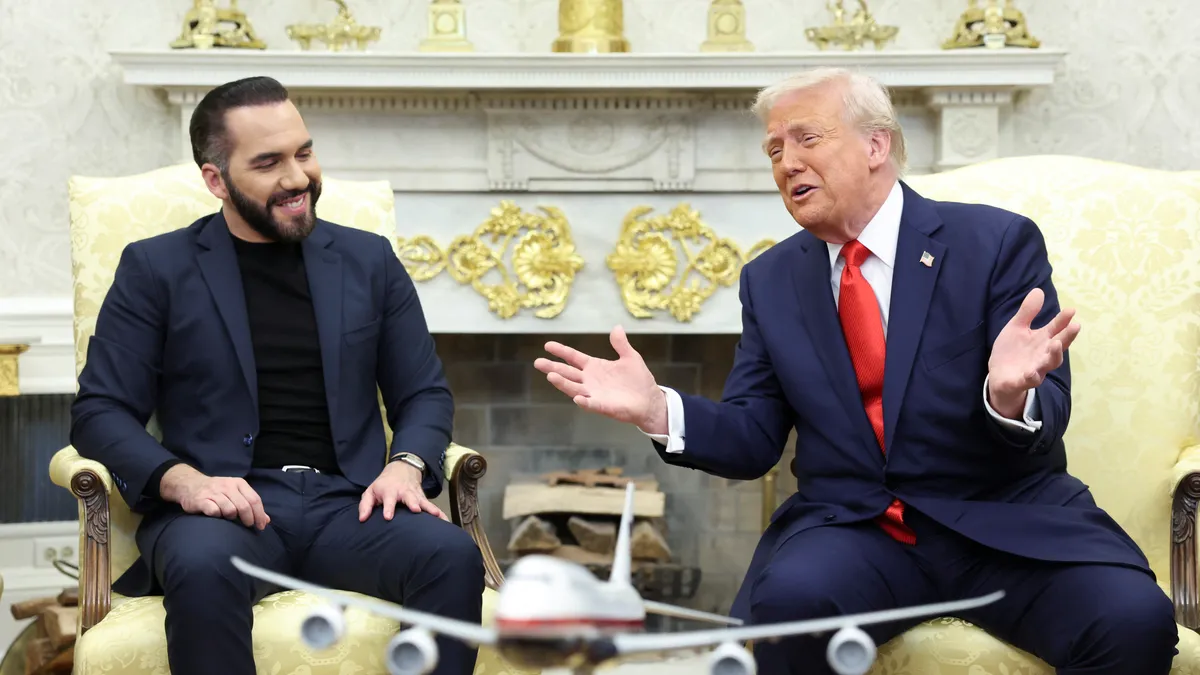
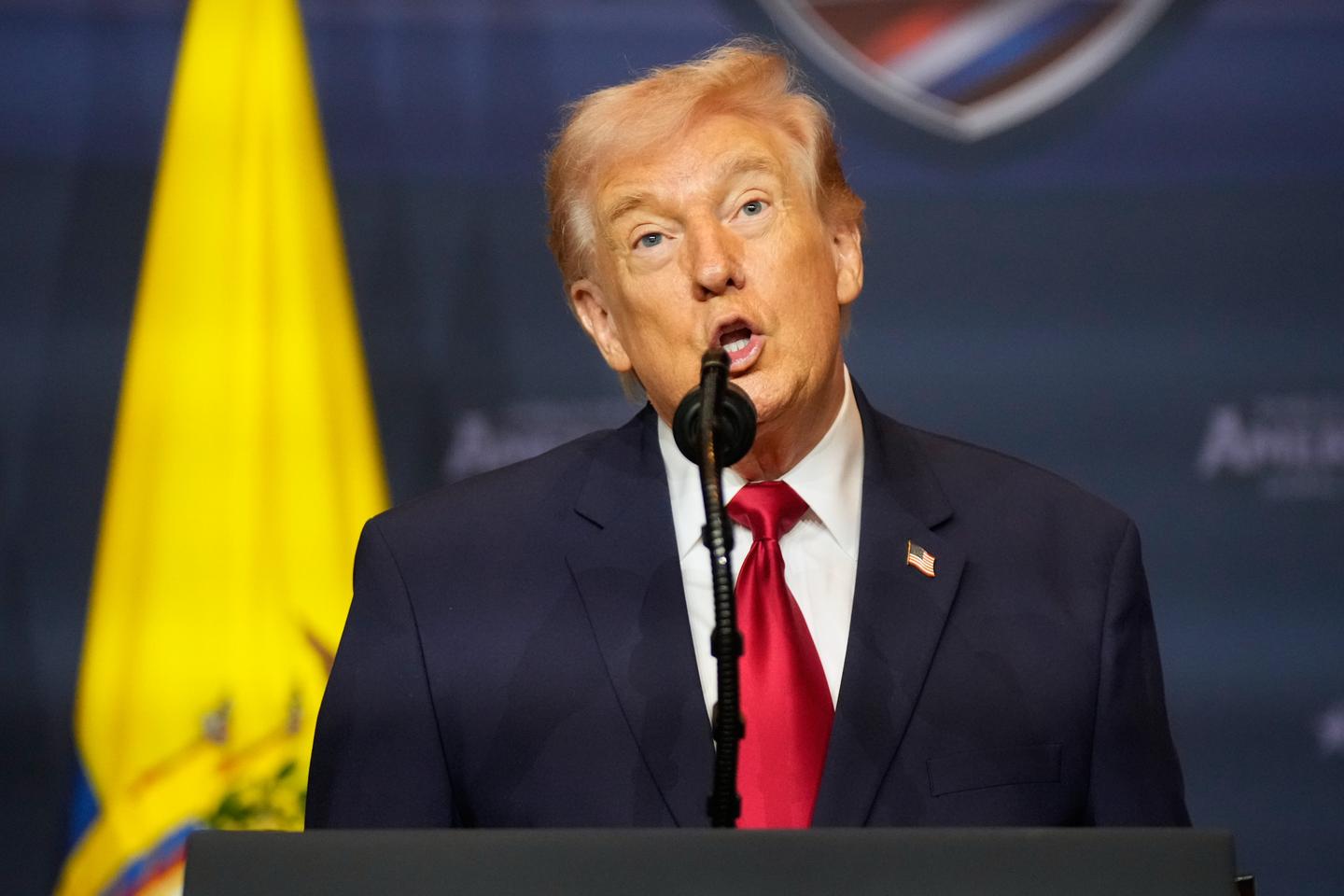
ilitary threats, verbal intimidation, electoral interference: Donald Trump has treated the entire American continent with a severity that has few precedents for a US president. After Canada, which bore the brunt of the Republican president's expansionist ambitions as soon as he returned to the White House, Latin America has now become the main target of his aggression.
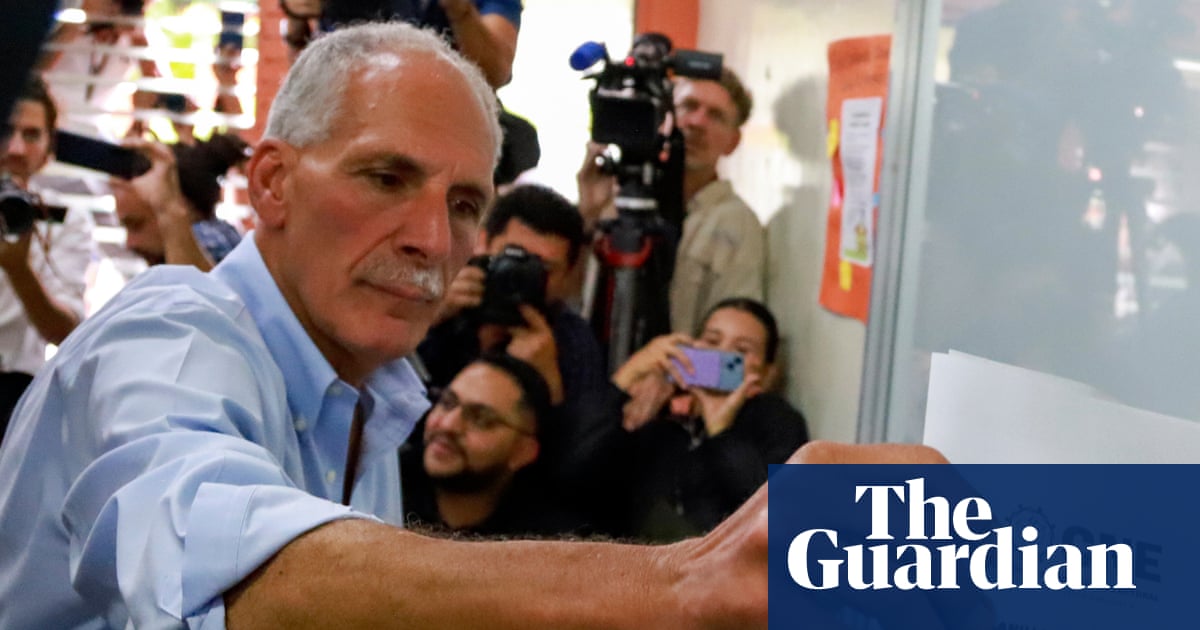
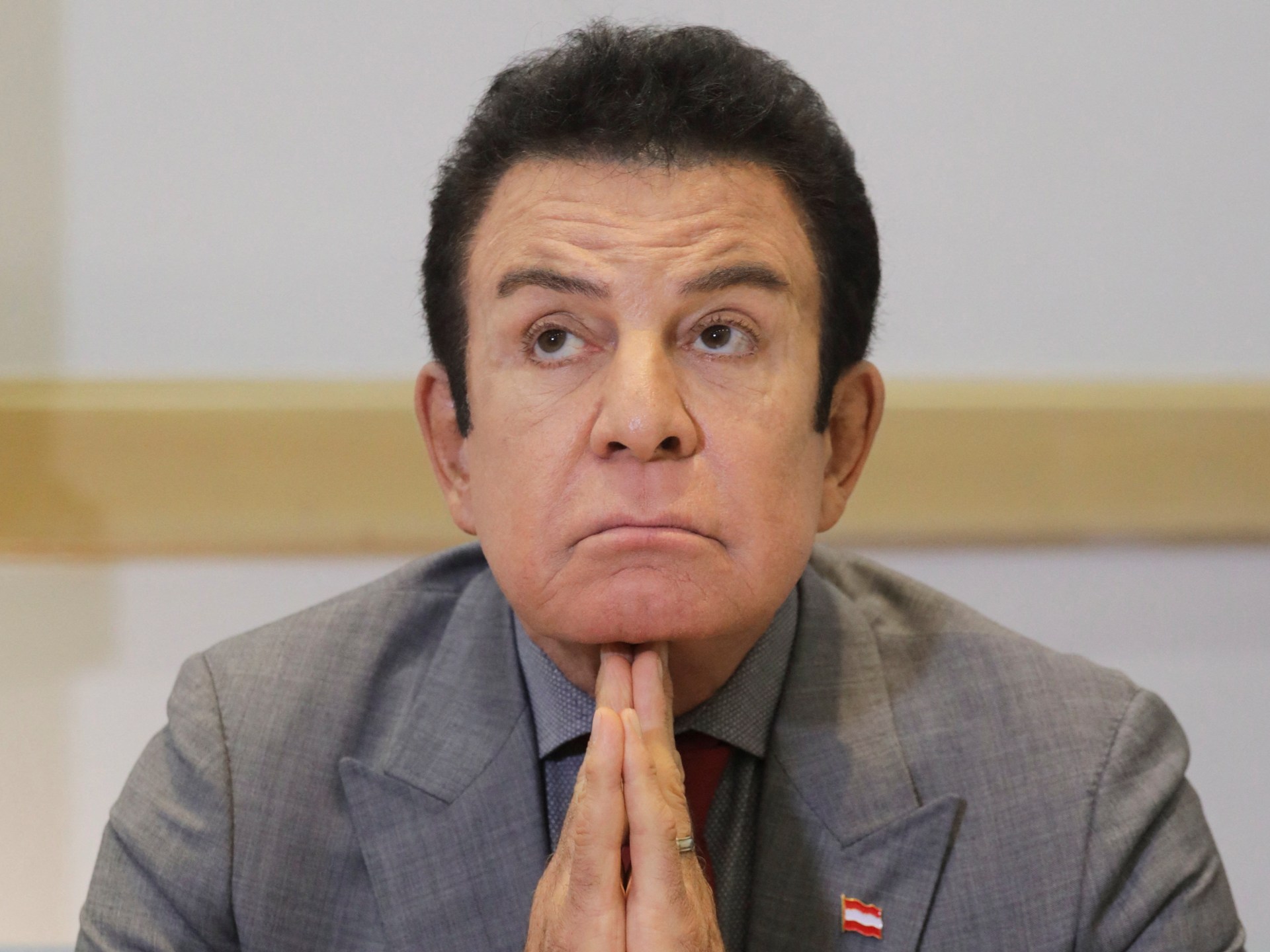
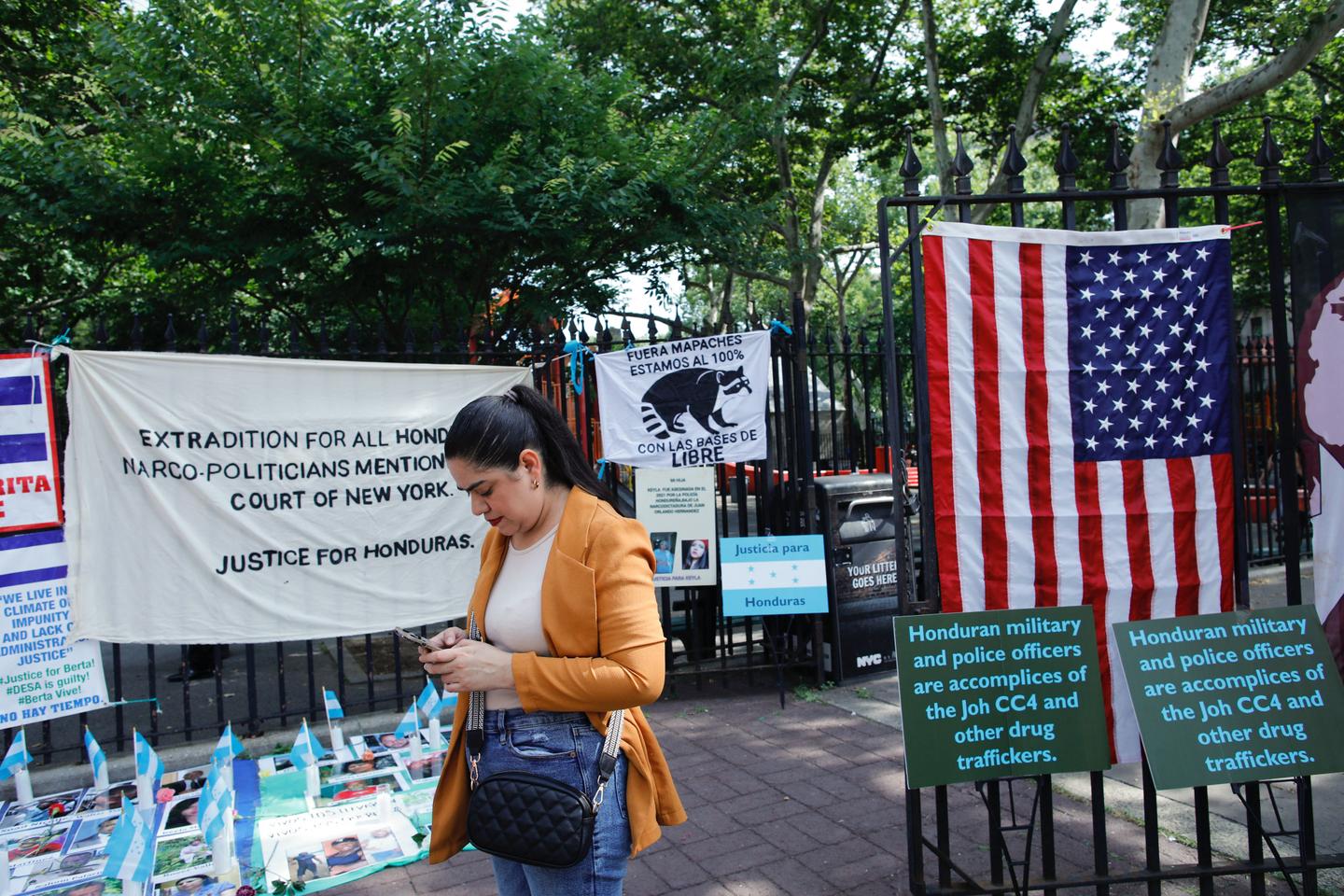
Honduras' general elections held on November 30 served as a backdrop for a fresh round of blackmail. Trump not only urged Hondurans to vote for the right-wing candidate in this small country, one of the most violent in the region, plagued by drug trafficking and organized crime. He also suggested that he would end American aid if the candidate lost. Previously, during Argentina's elections in October, Trump announced a massive $20 billion aid package, conditional on the victory of candidates aligned with President Javier Milei.
While regularly insulting the left-wing president of Colombia, Gustavo Petro, Trump also increased pressure on Venezuela by unilaterally announcing, on November 29, that he considered Venezuelan airspace "CLOSED IN ITS ENTIRETY." This no-fly zone declaration, a clear violation of international law, was accompanied by the largest deployment of US naval forces in the Caribbean Sea since the Cuban Missile Crisis in 1962. As the US military carries out more and more extrajudicial killings by targeting boats it claims to be used by drug cartels – without ever providing any evidence – this militaristic push has raised growing concern in Congress, including among some Republican lawmakers.