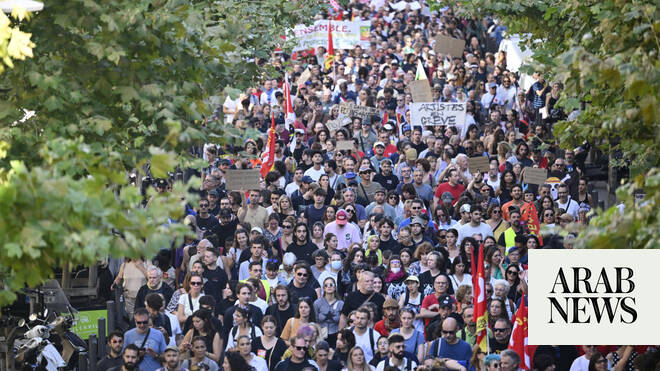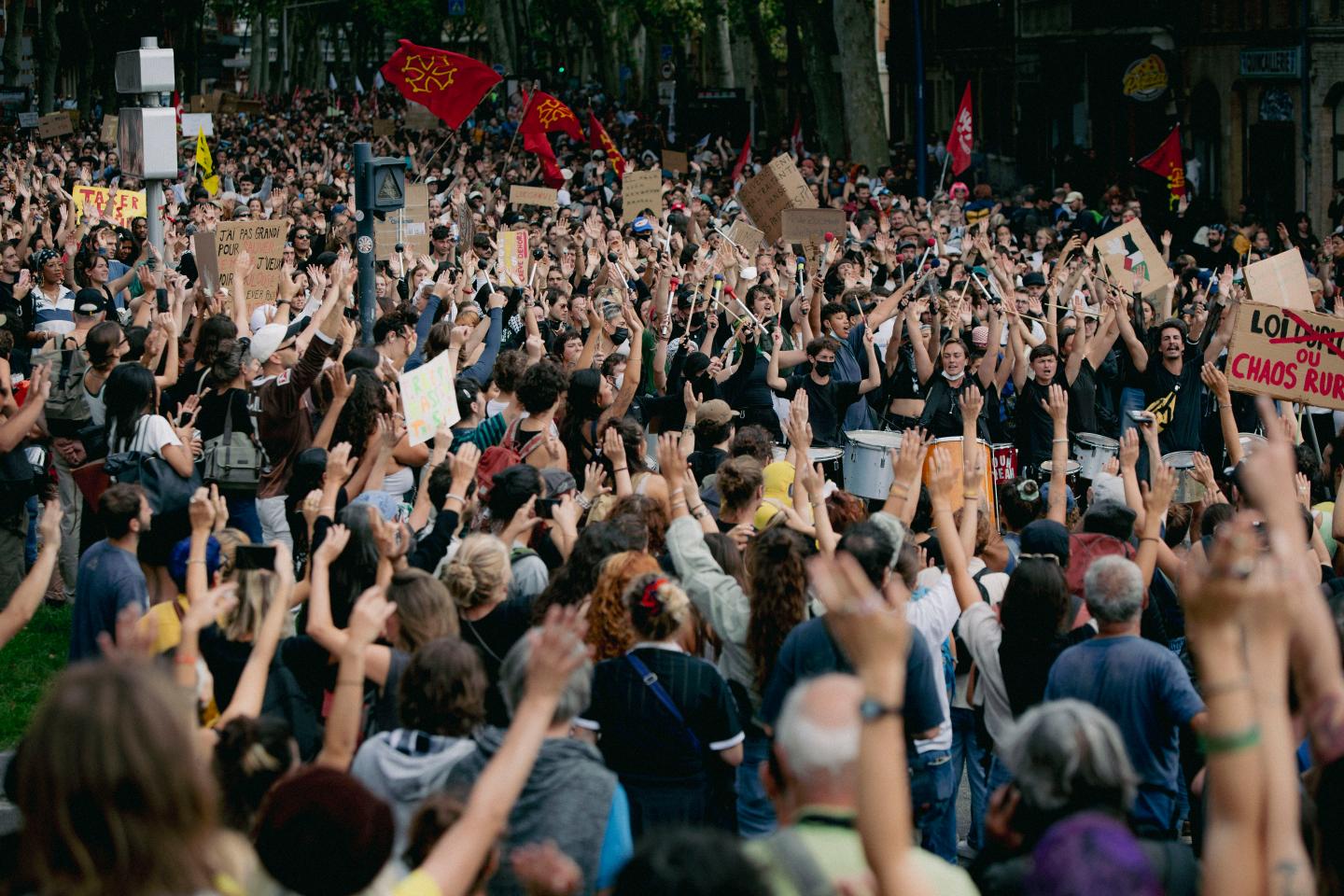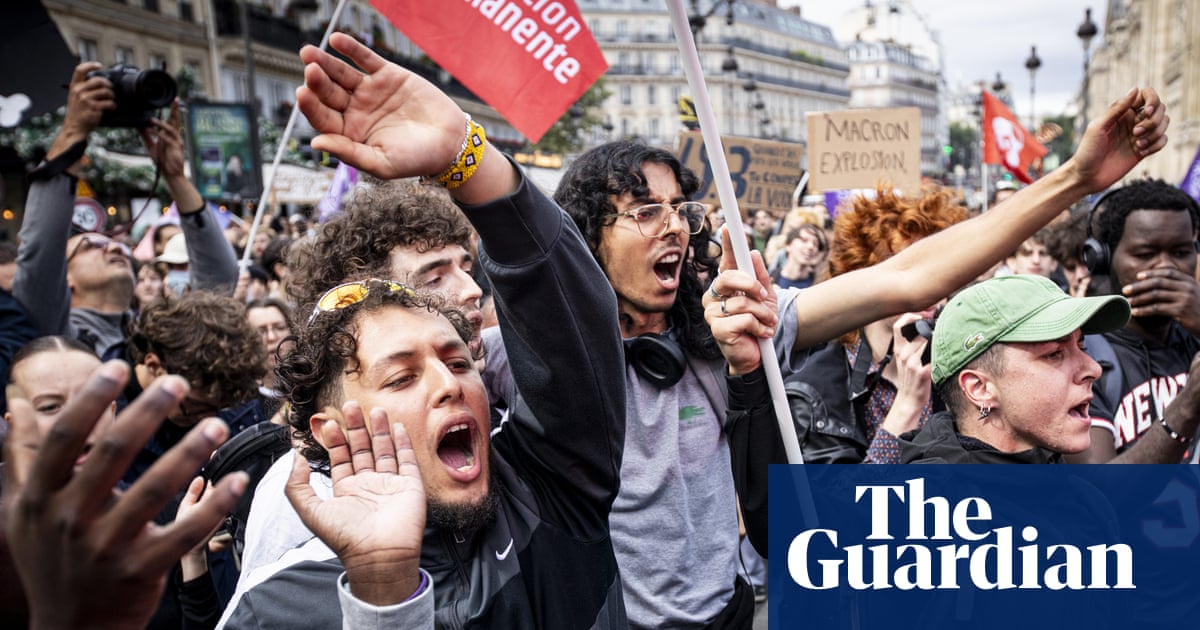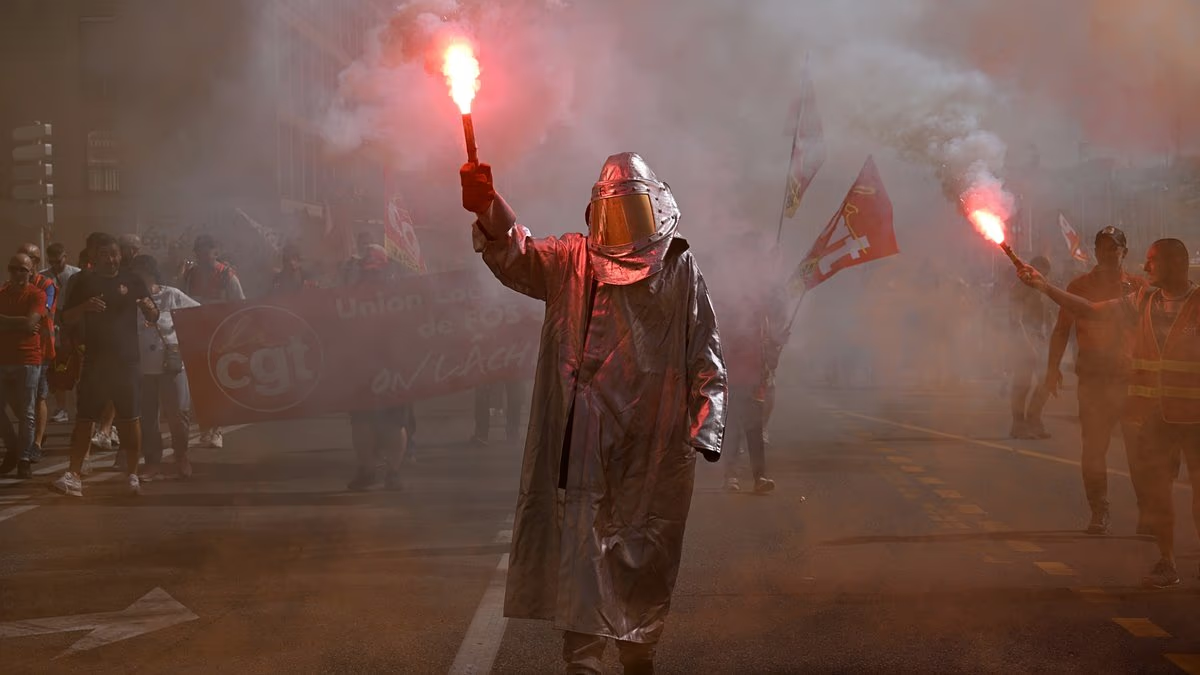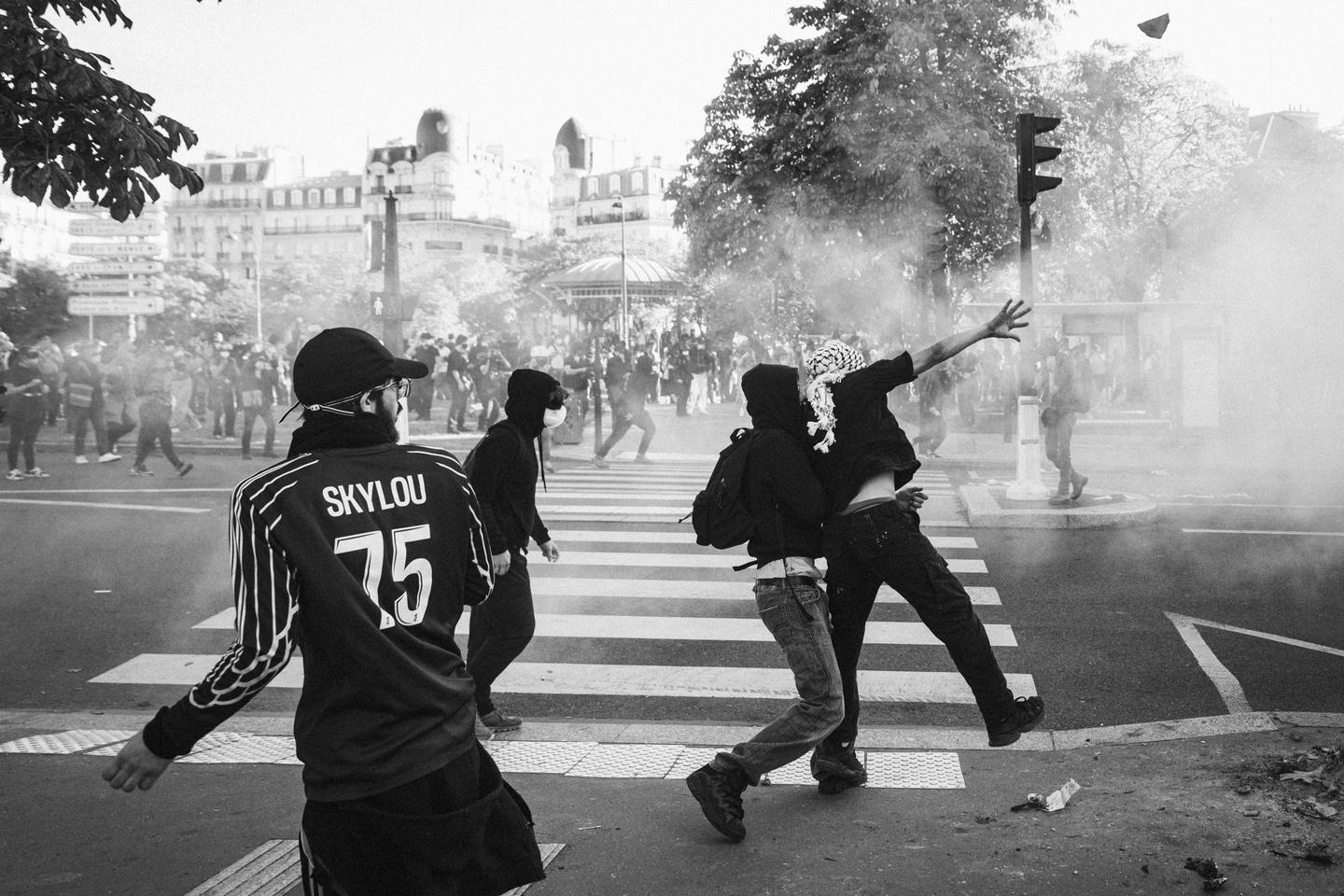
During the national mobilization against austerity, Place de la Nation, Paris, September 18, 2025. BENJAMIN CARROT/AGENCE ENCRAGE
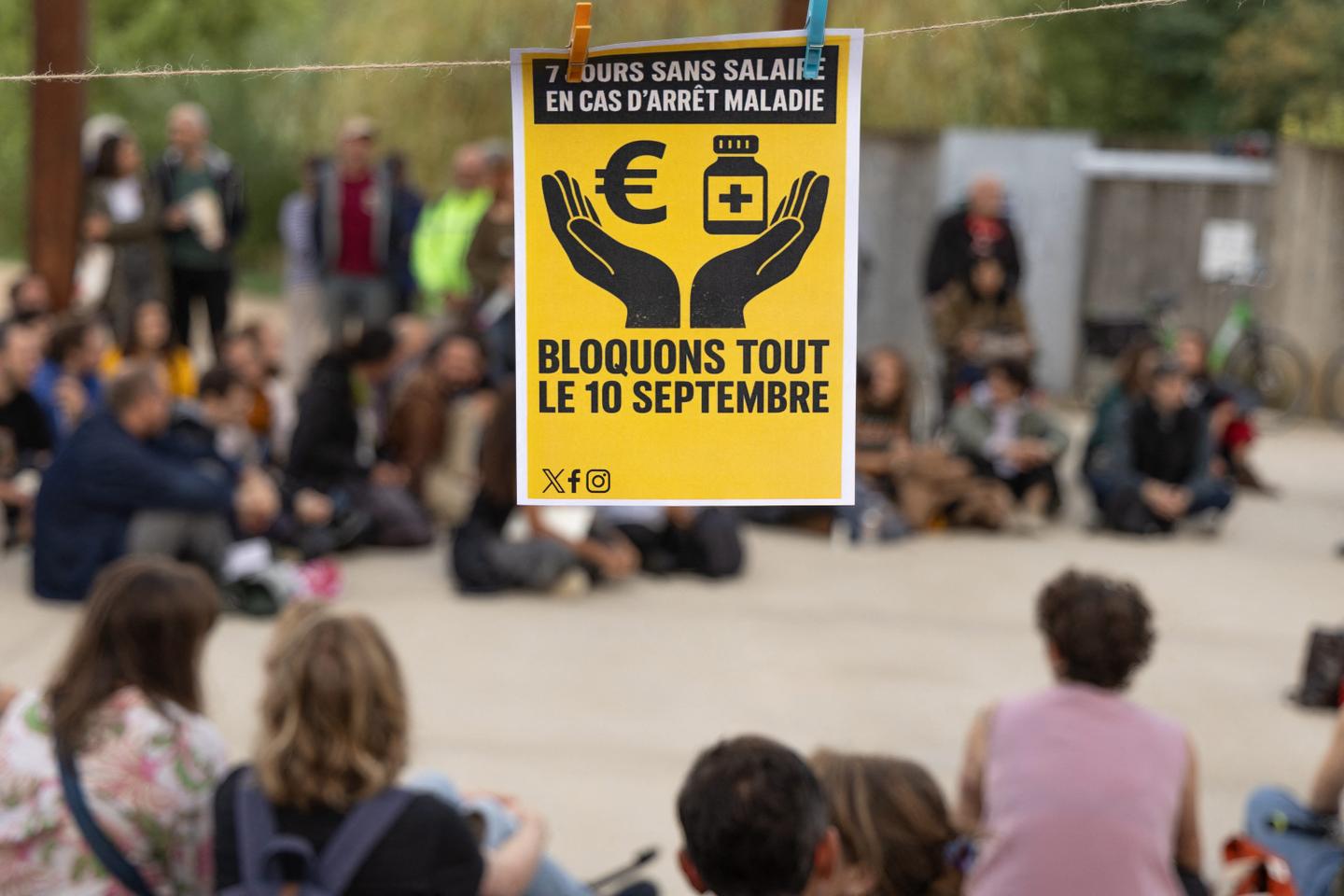
There she was, surrounded by a crowd that was motionless but noisy, holding a sign above her youthful face: "Solidarity with the angry youth." When a photographer aimed her way, she offered a hint of a smile. When Le Monde approached her, her eyes widened in surprise. Souha (she did not wish to give her last name), 19, let her emotions show as they came. On September 10, the day of the national "Block Everything" protest, this literature student had come to Place du Châtelet in Paris to express anger fueled by multiple causes – ranging from "the genocide in Palestine" to "the appointment of a prime minister who does not respect the legislative elections" – that she was still figuring out how to channel.
"My anger is deeply tied to my despair," she said. "I went to protest without much hope that my demands would be heard by [Emmanuel] Macron, who governs alone. At the same time, I don't know how else to act, and that's what creates frustration, and therefore anger." For this left-wing voter, who had been protesting since her teenage years, first for the climate and for women's rights, taking to the streets to shout slogans was a way to let her anger out and stop feeling alone. It was a kind of pressure release, whose effects faded as the battles wore on, and were lost. "I feel like I'm stuck with this emotion, to the point of often bursting into tears. The only thing that could calm me would be to see real social progress."