https://arab.news/b2ht9
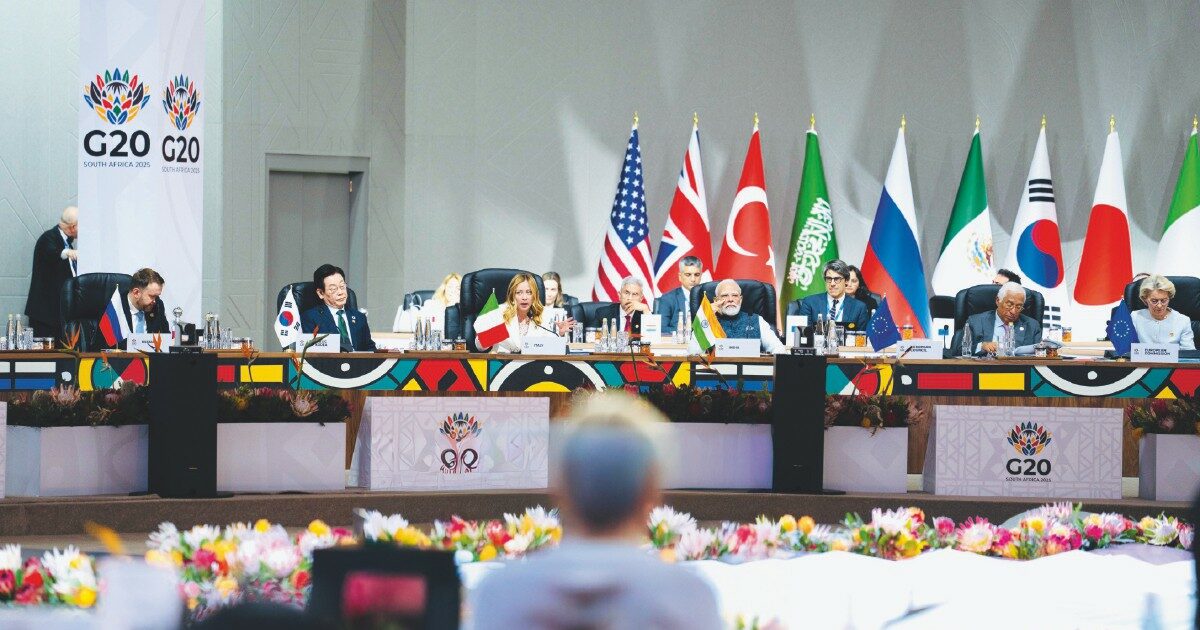
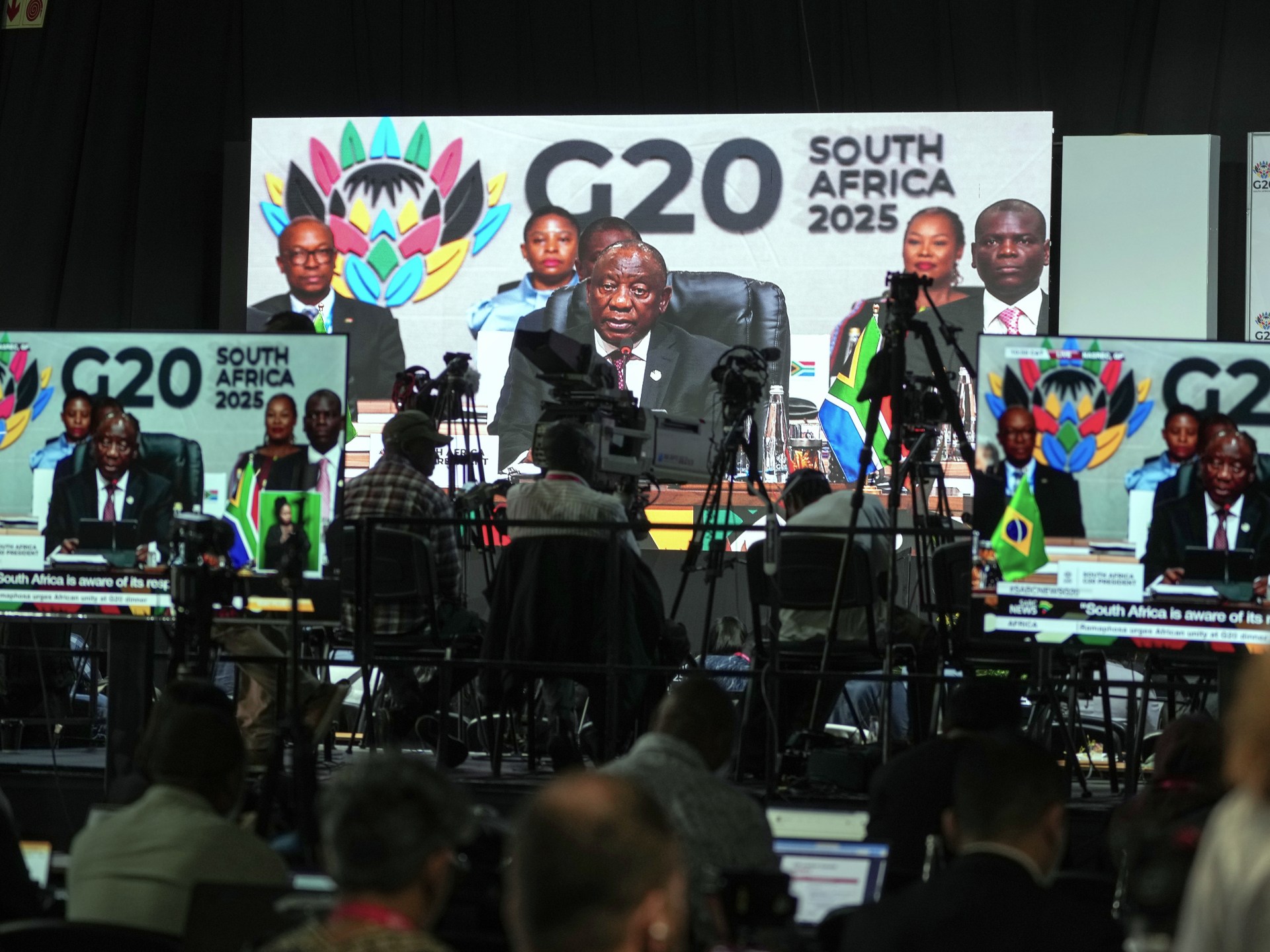
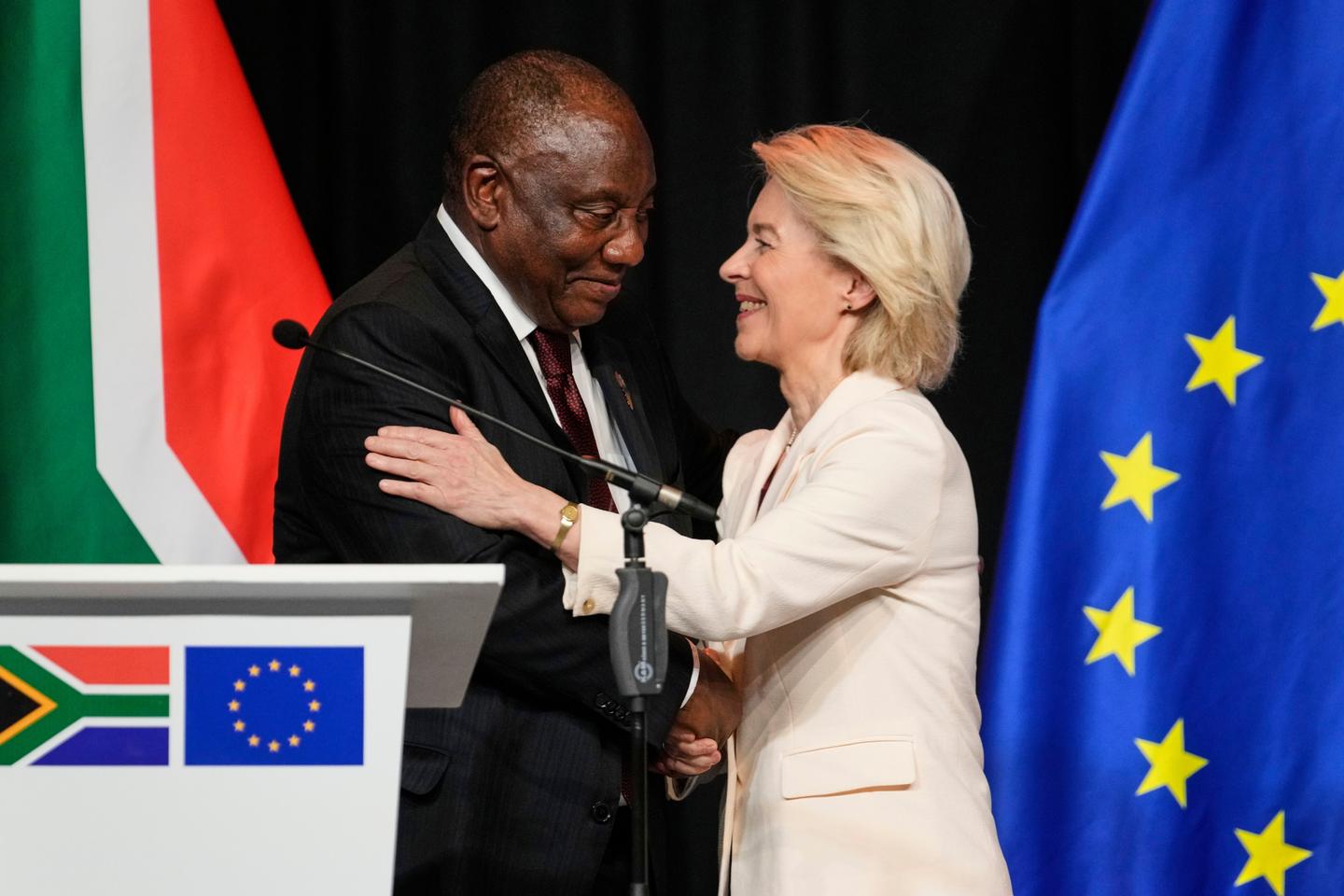
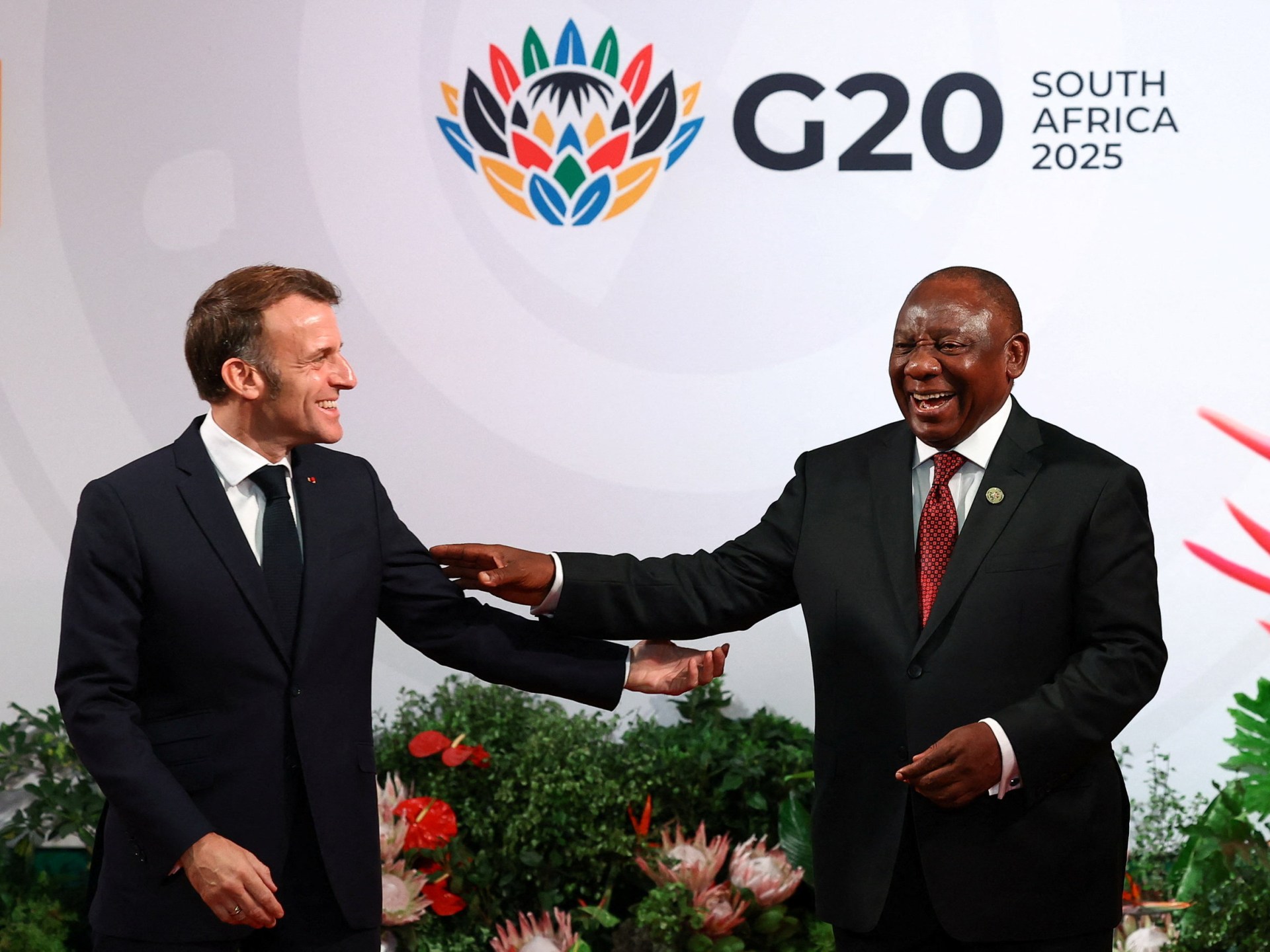
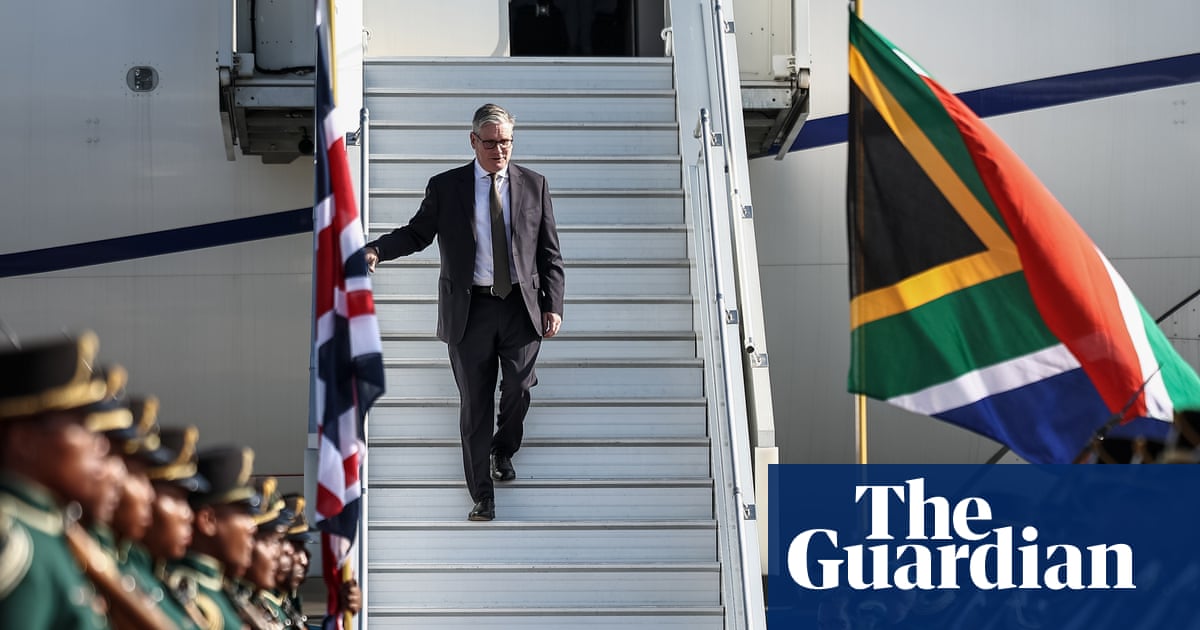
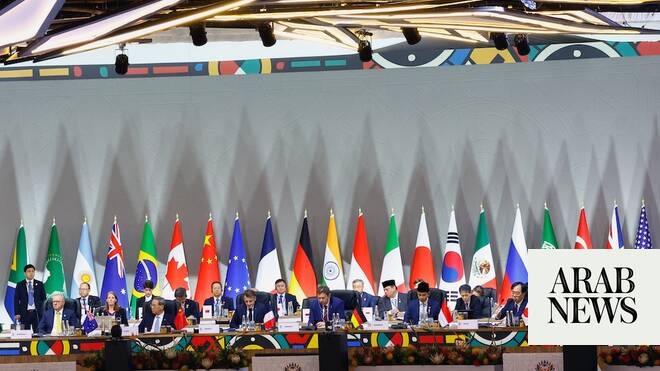
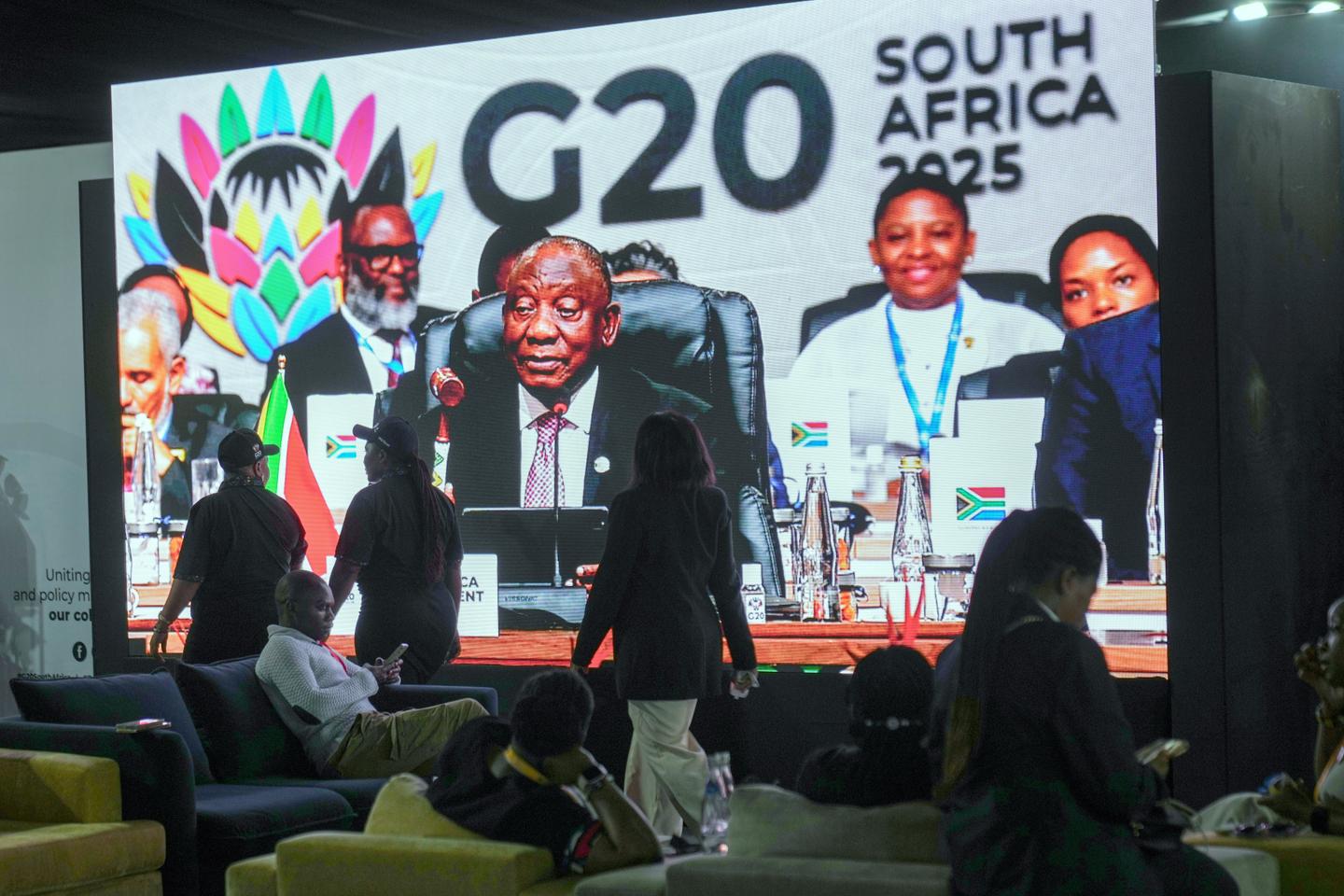
This month’s G20 Summit in Johannesburg marked several historic firsts. For starters, it was the group’s first summit in Africa, and the first to include the African Union as a full-fledged member. It also set less encouraging precedents: It was the first meeting boycotted by a key founding member, the US, on spurious grounds, and the first in which that same country tried to prevent the host from issuing a final declaration.
Equally unprecedented was South Africa’s decision to ignore Washington and issue one anyway.
As G20 president, South Africa invited delegations from Africa and other parts of the world to participate as guests, underscoring the continued importance of multilateral dialogue and cooperation. Building on the momentum generated by last year’s summit in Brazil, the group also expanded its agenda to include issues of relevance to Africa and the broader developing world.
South Africa’s inclusive approach paved the way for another landmark moment. For the first time, G20 leaders formally addressed the issue of global inequality. The impetus was the recent report by the Extraordinary Committee of Independent Experts on Global Inequality. Chaired by Nobel laureate economist Joseph Stiglitz, the committee (of which I was a member) synthesized a large body of research and drew on consultations with 80 prominent scholars to present a comprehensive picture of economic disparities worldwide.