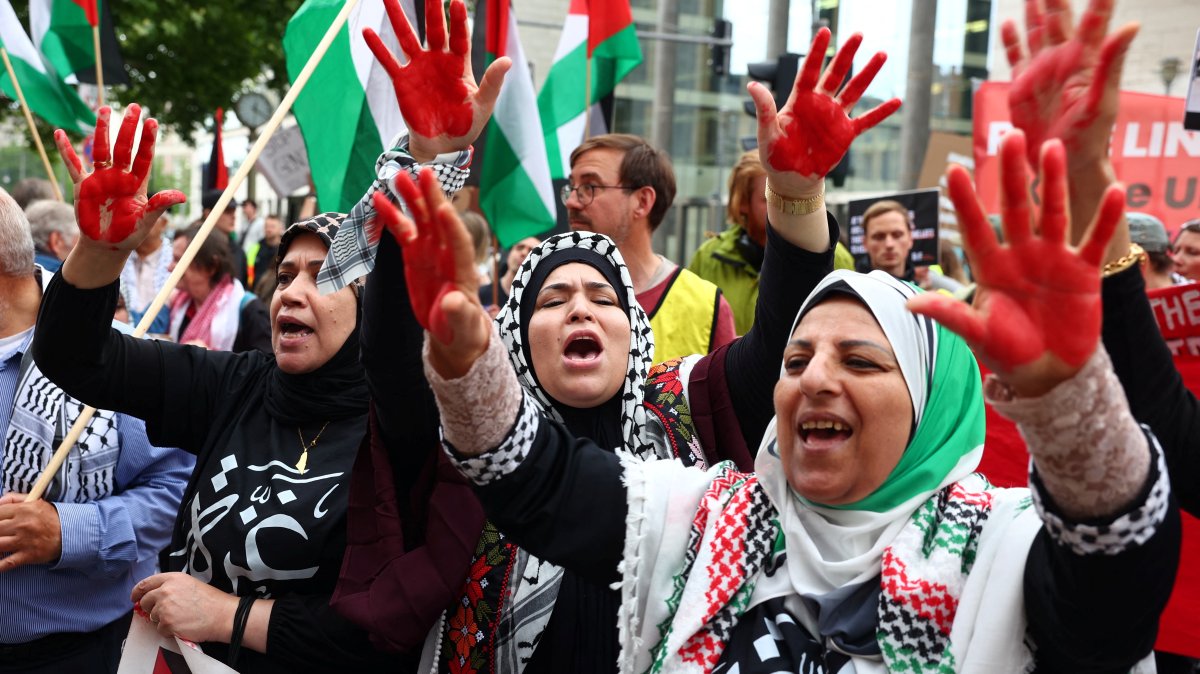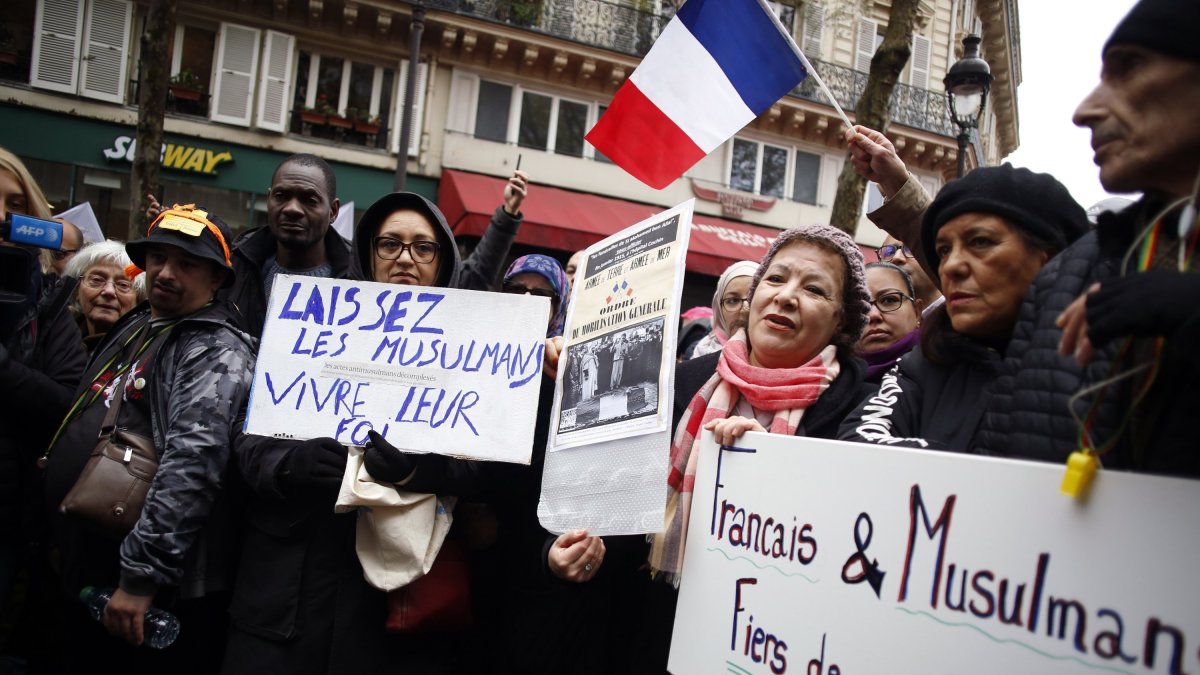
Young Muslims in Germany increasingly feel sidelined in public debates over the Middle East, creating space for extremist influencers to gain traction among frustrated youth, experts warned this week.
The Association for the Prevention of Islamism and the Promotion of Democracy (KN:IX connect), which works to prevent young people from drifting into extremist circles and supports those seeking to leave them, said global crises – particularly the Gaza war – have intensified feelings of exclusion.
Jamuna Oehlmann, managing director of the Federal Working Group on Religiously Motivated Extremism, said the Middle East conflict has acted as a “catalyst,” but emphasized that the way Germany handles such crises is equally important.
“The discourse here has been different than in other countries,” she said, noting that many Muslims, especially those with Palestinian roots, felt their perspectives were ignored despite being directly affected by the Gaza war.
Experts said extremist actors have exploited this sense of exclusion and broader political rhetoric that often frames migration and extremism in sweeping terms. By presenting themselves as the only voices that “truly understand” young Muslims, they have been able to attract followers seeking recognition and empathy.