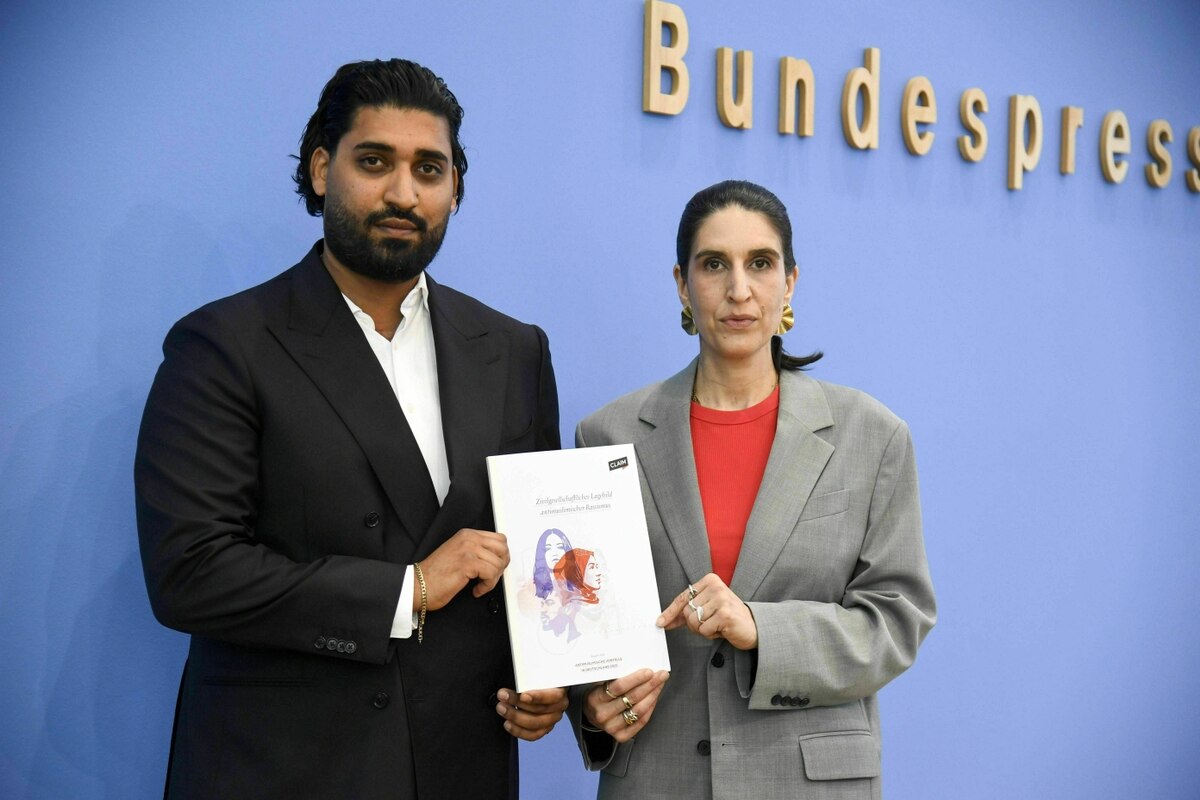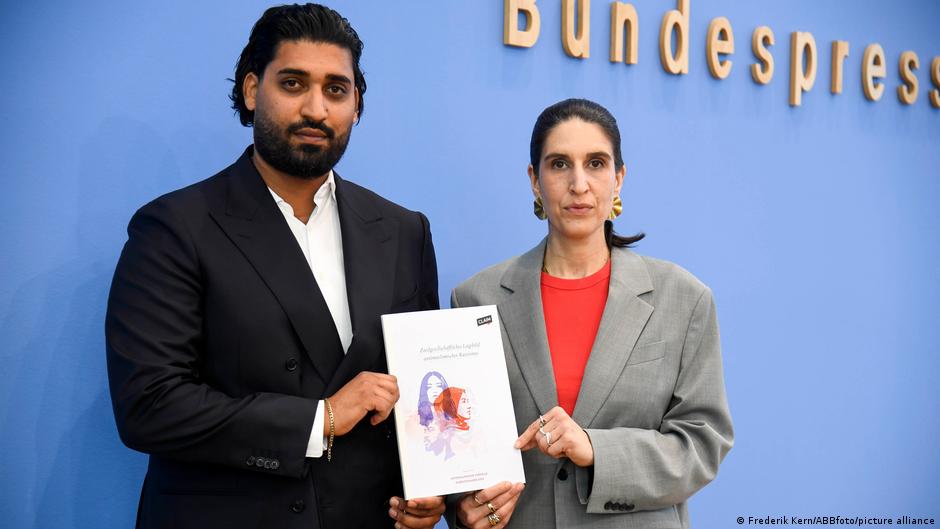
"The numbers are not just statistics. Behind every number is a face; behind every incident is a story," said 29-year-old Said Etris Hashemi at the presentation of a new report on anti-Muslim incidents on Wednesday in Berlin.
Hashemi experienced this firsthand: On February 19, 2020, Hashemi narrowly survived an attack in Hanau, near Frankfurt, by a right-wing extremist who murdered nine people with immigrant backgrounds at two crime scenes. Hashemi's younger brother was among the people killed.
Today, Hashemi, the son of Afghan refugees, is a member of the "February 19 Hanau Initiative," which preserves the memory of those murdered and warns against xenophobia.
The Hanau murders showed "where exclusion, dehumanization and racist stereotypes can lead,” Hashemi said. He is also the national chair of the Association of Binational Families and Partnerships.Documentary films probe German identity 5 years after HanauTo view this video please enable JavaScript, and consider upgrading to a web browser that supports HTML5 video
The "Civil Society Assessment of Anti-Muslim Racism" is published annually by the Coalition Against Islamophobia and Anti-Muslim Hostility (CLAIM).