https://arab.news/94x7m
The war in Sudan has entered one of its most important and dangerous phases. Although the most recent ceasefire proposal has not yet resulted in a pause in fighting, this development should not cause the international community to disengage or retreat. Instead, it underscores the depth of the crisis and the urgent need for not only continued and intensified, but also coordinated, diplomatic pressure.
The two dominant actors in the conflict — the Sudanese Armed Forces and the Rapid Support Forces — have previously declined to adopt or implement meaningful ceasefire arrangements. Nevertheless, as the human cost of the conflict continues to escalate, the international community cannot afford to give up on Sudan.
This is because the stakes, both within the country and across the wider region, remain too high. Sudan’s trajectory not only affects its domestic political order but also the security and stability of the Horn of Africa and beyond. As a result, the international community should call for sustained engagement, while recognizing the fact that abandoning Sudan would be both a profound humanitarian catastrophe and a strategic mistake.
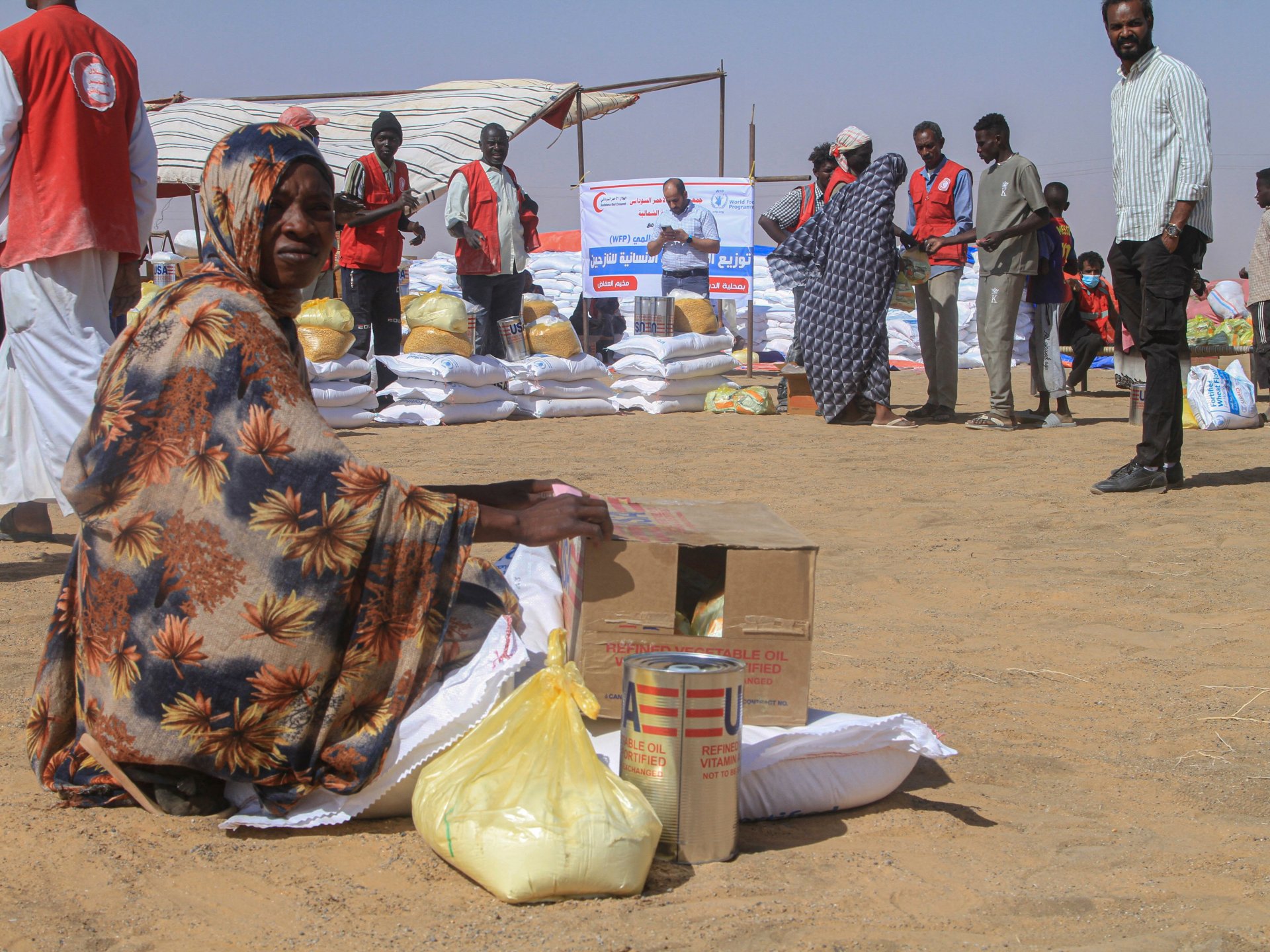
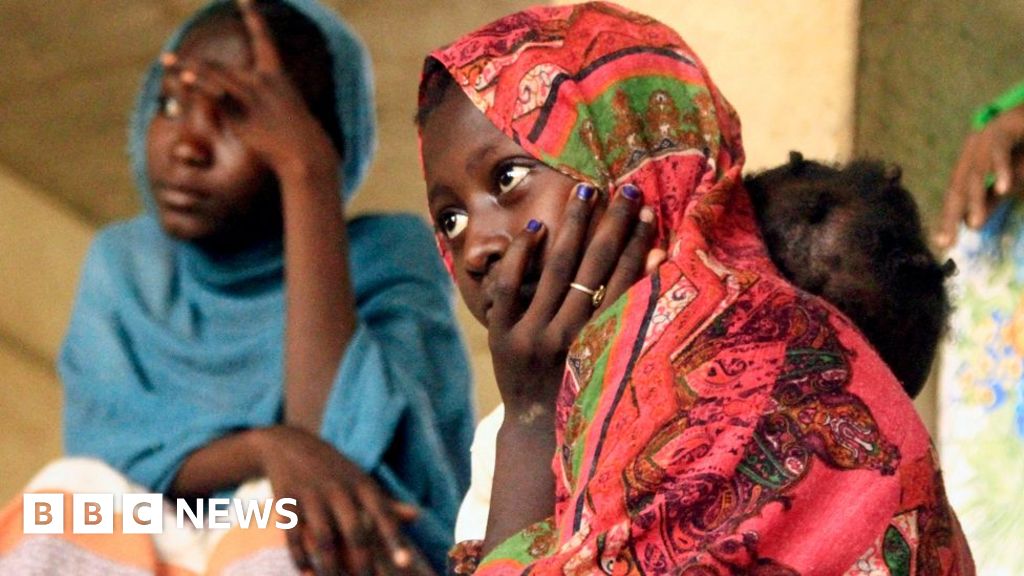
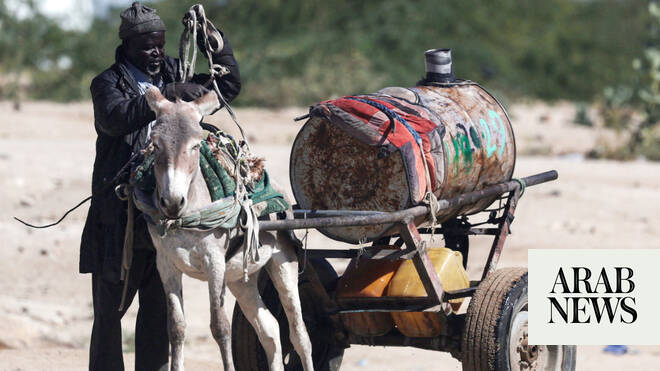
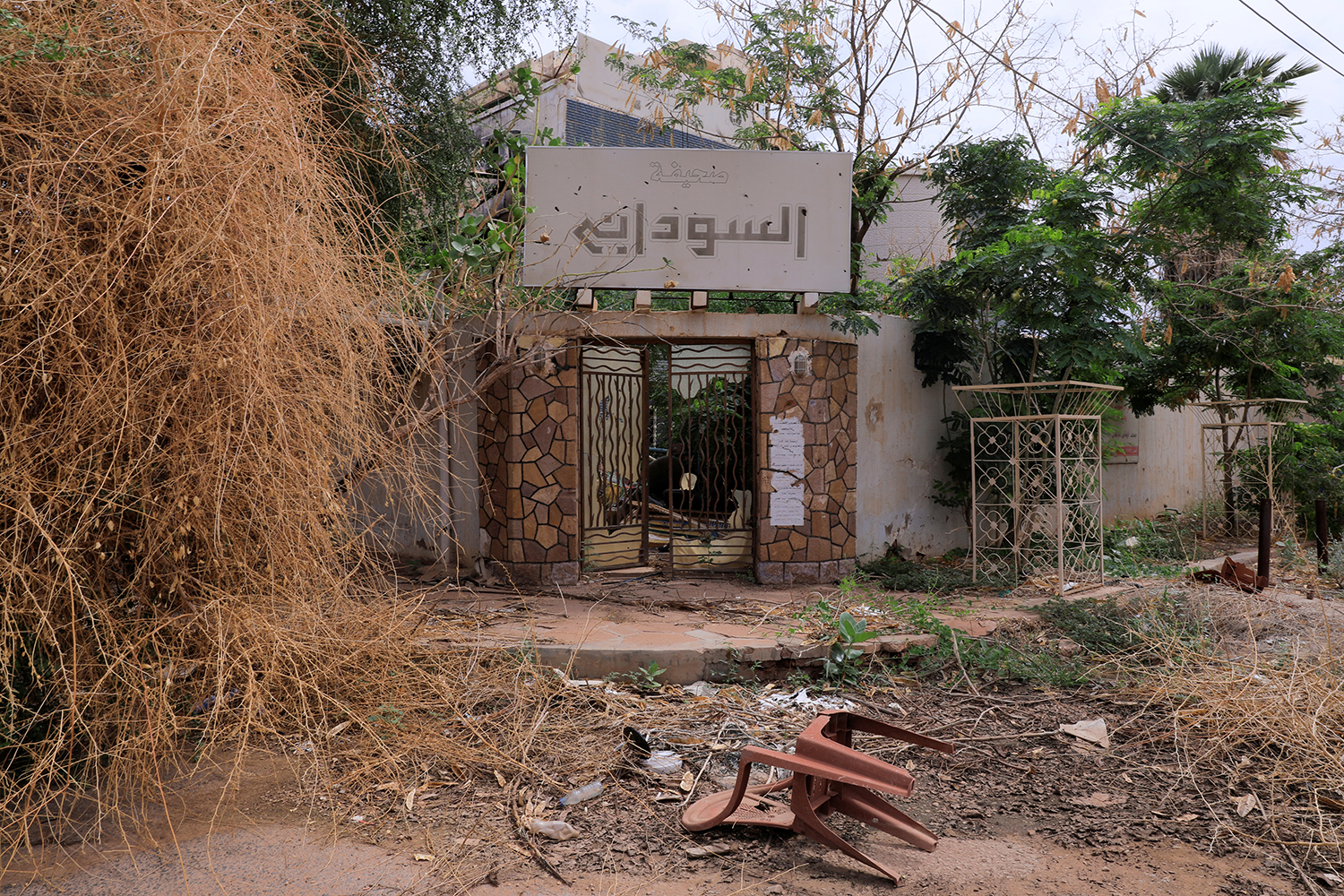
The scale of violence and suffering inflicted upon the Sudanese population demonstrates why the international community must engage more. The conflict has devastated cities, emptied entire communities and dismantled essential state institutions. Millions have also been displaced internally and externally, creating one of the largest displacement crises in the world. Many people have been forced to flee repeatedly as front lines shift, while many others remain trapped in areas where access to food, medicine and clean water has become increasingly restricted.