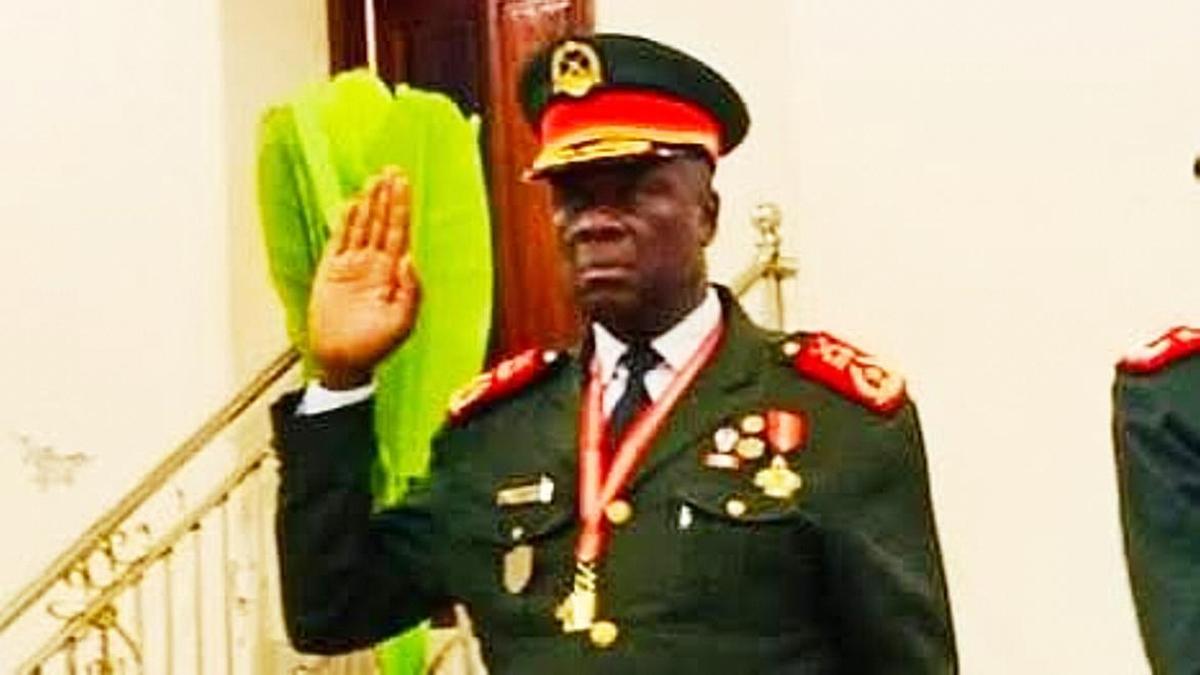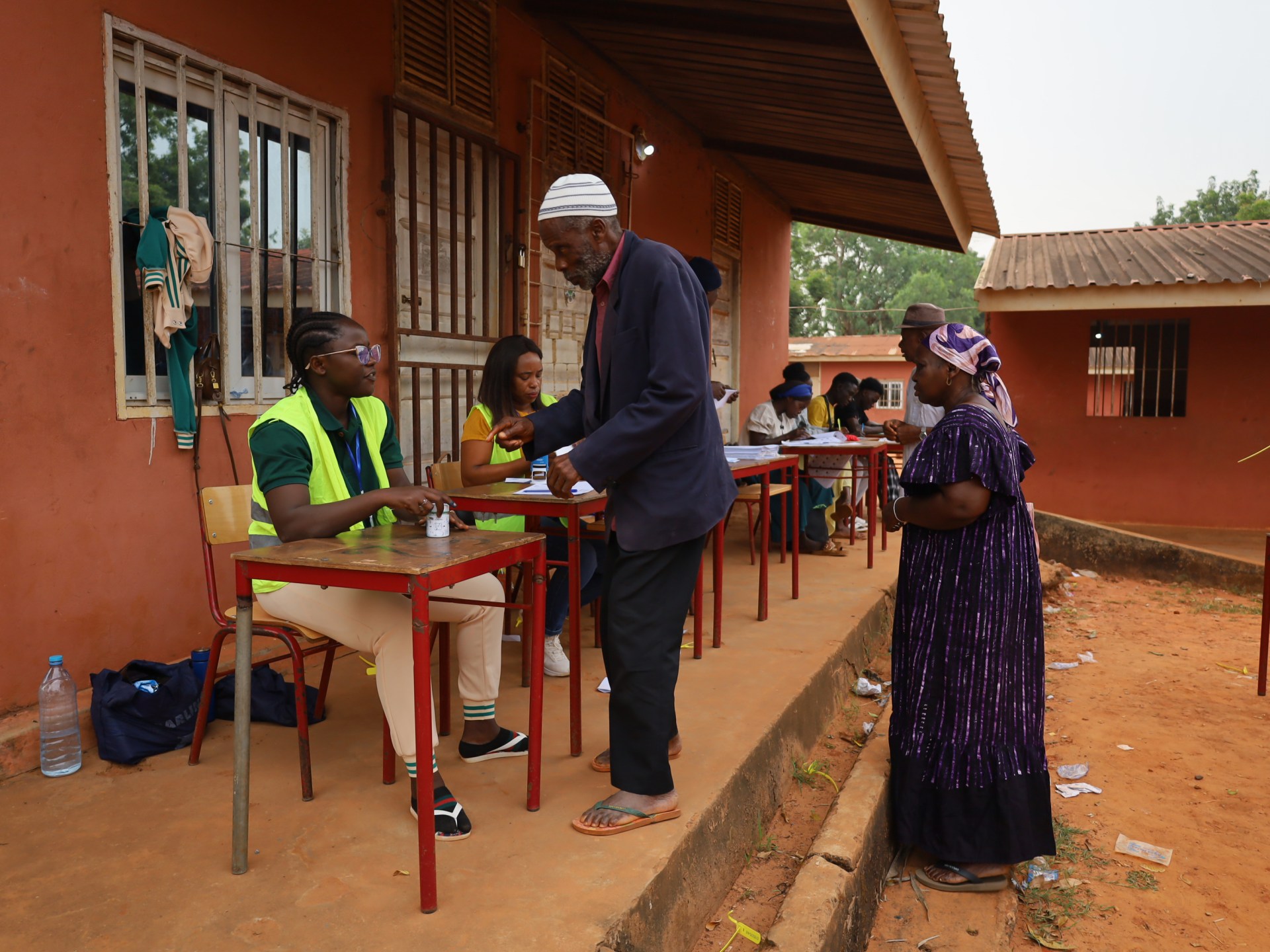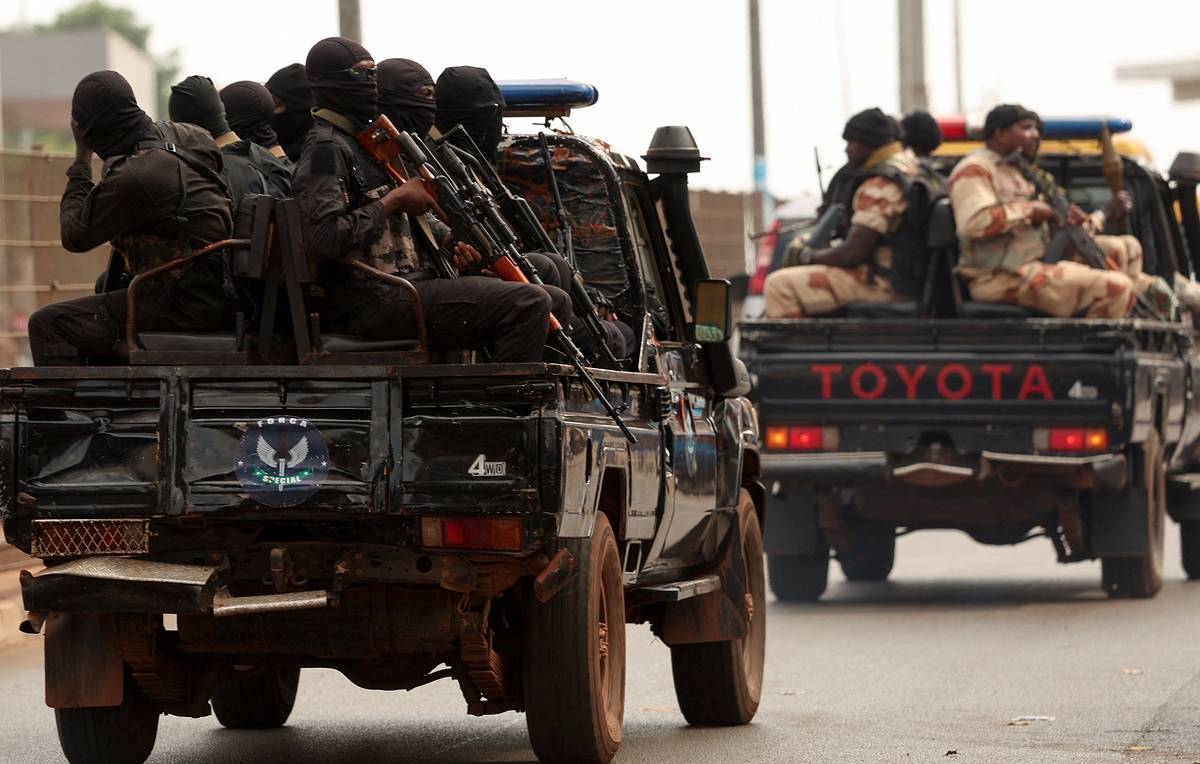
On Thursday, people in Guinea-Bissau were anticipating the official results of the general elections, but instead, the day before, on Wednesday, a coup d’état had occurred. Senior army officers announced on November 26 that power in the country on the western coast of Africa was in their hands, as they removed the sitting president, Umaro Sissoco Embaló, who had only one day left in his office before the election results were to be announced.
Meanwhile, the two main contenders for the highest office – Embaló himself and his rival, Fernando Dias – had already declared victory after the first round of voting, each claiming it for themselves. However, neither had any substantial evidence to support such claims.
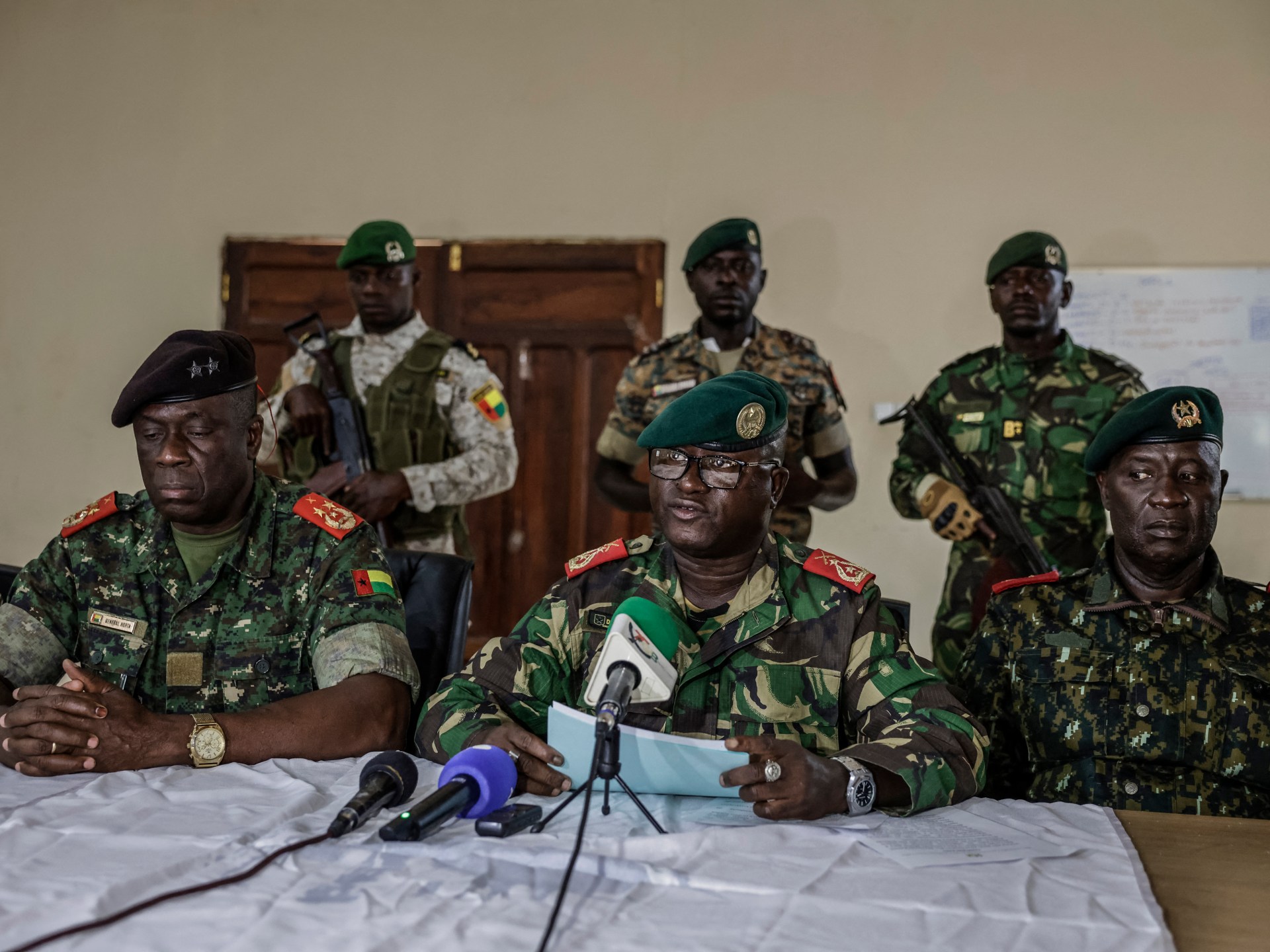
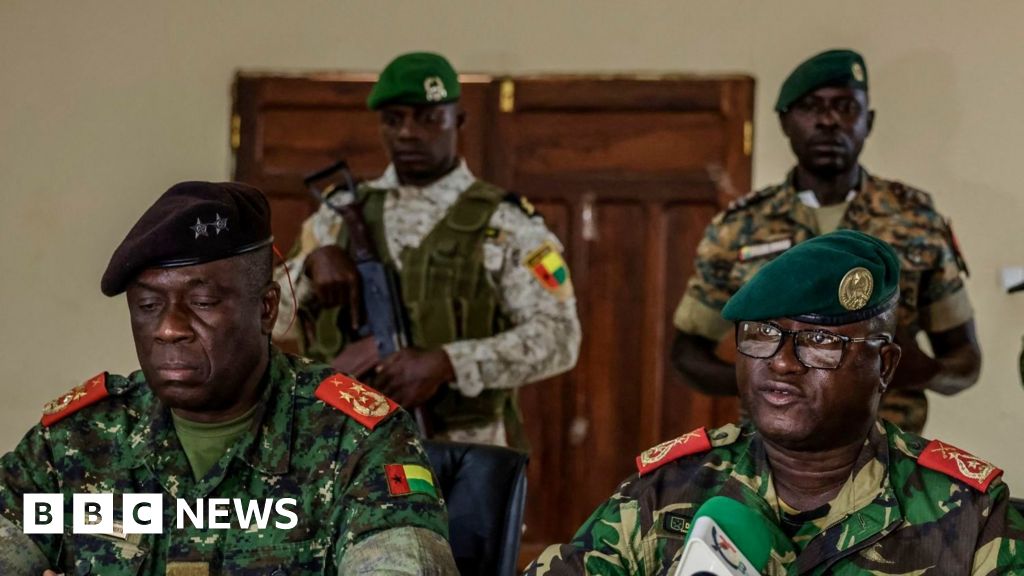
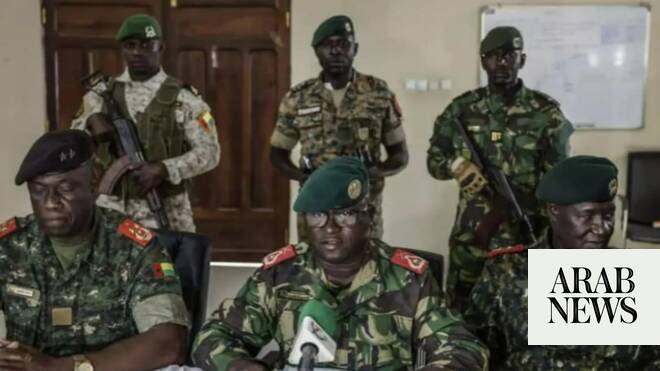
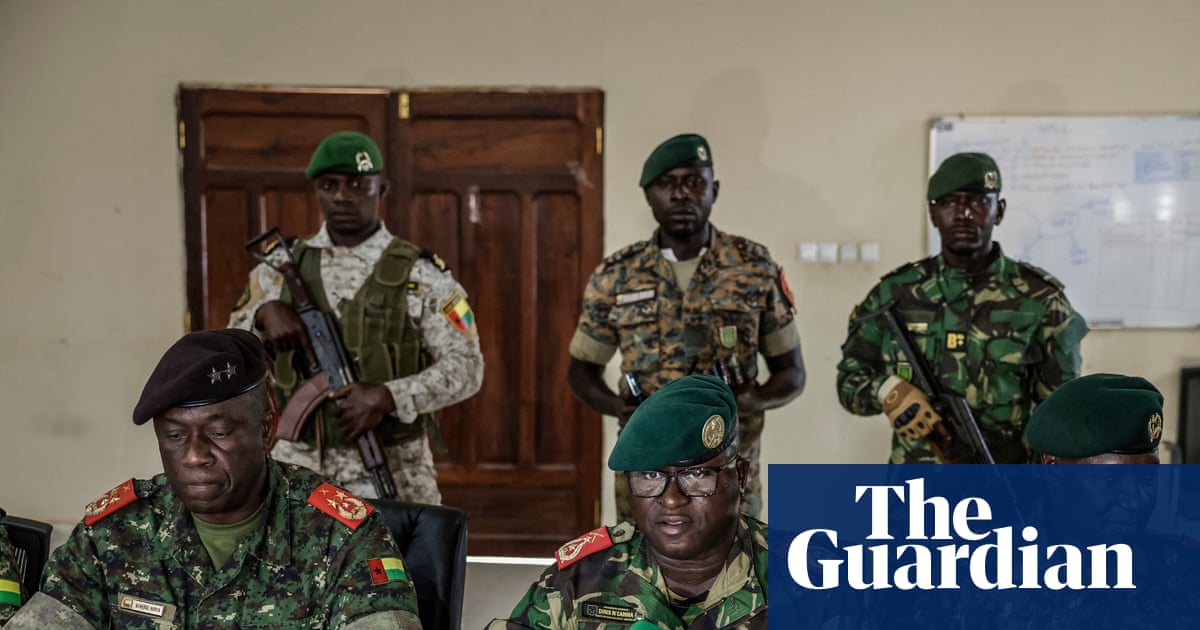
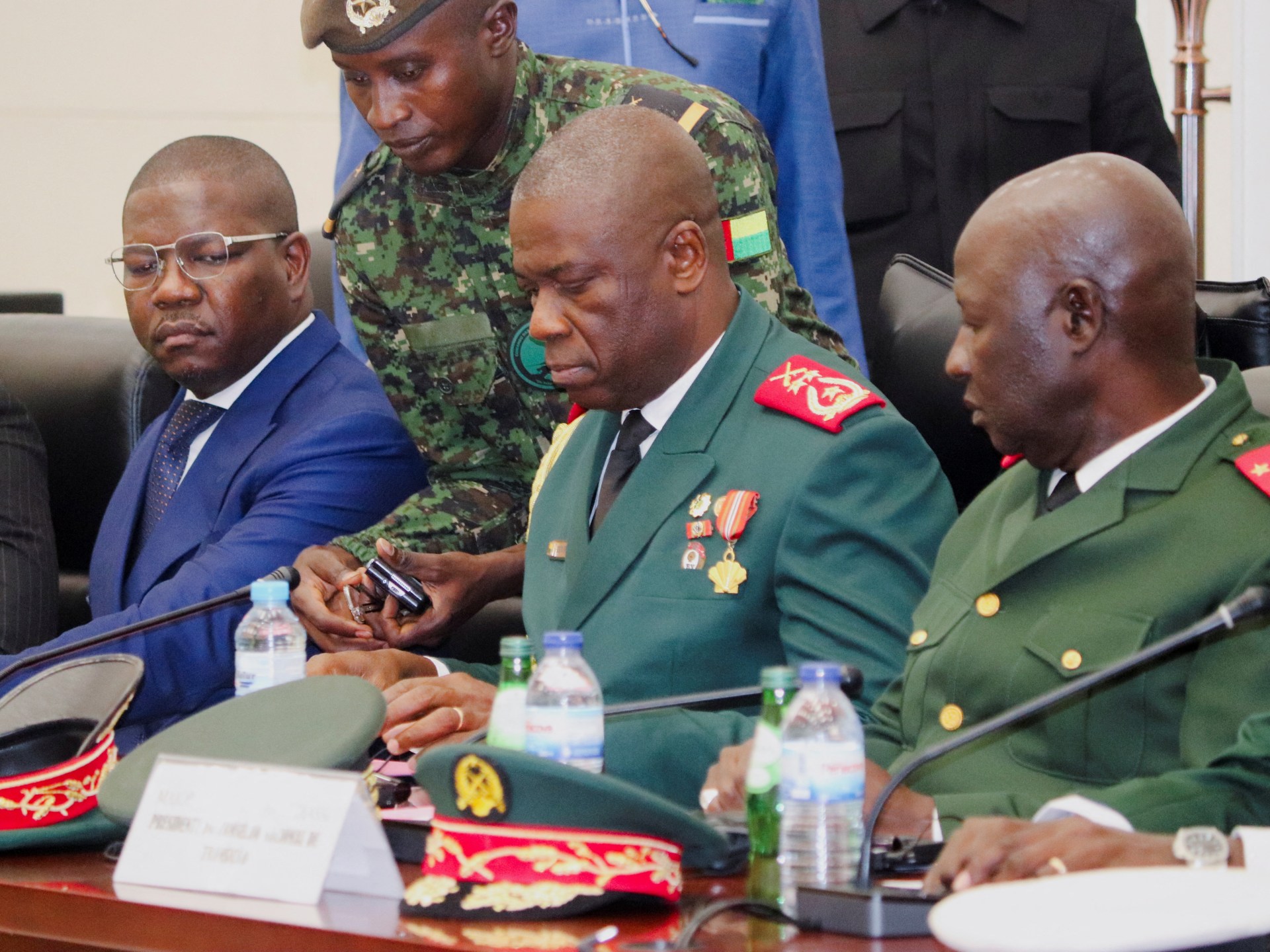
Calling themselves the "Supreme Military Command for Restoring Order," the uniformed senior officers read a statement on television, declaring that they had ordered an immediate suspension of the electoral process and would govern "until further notice."
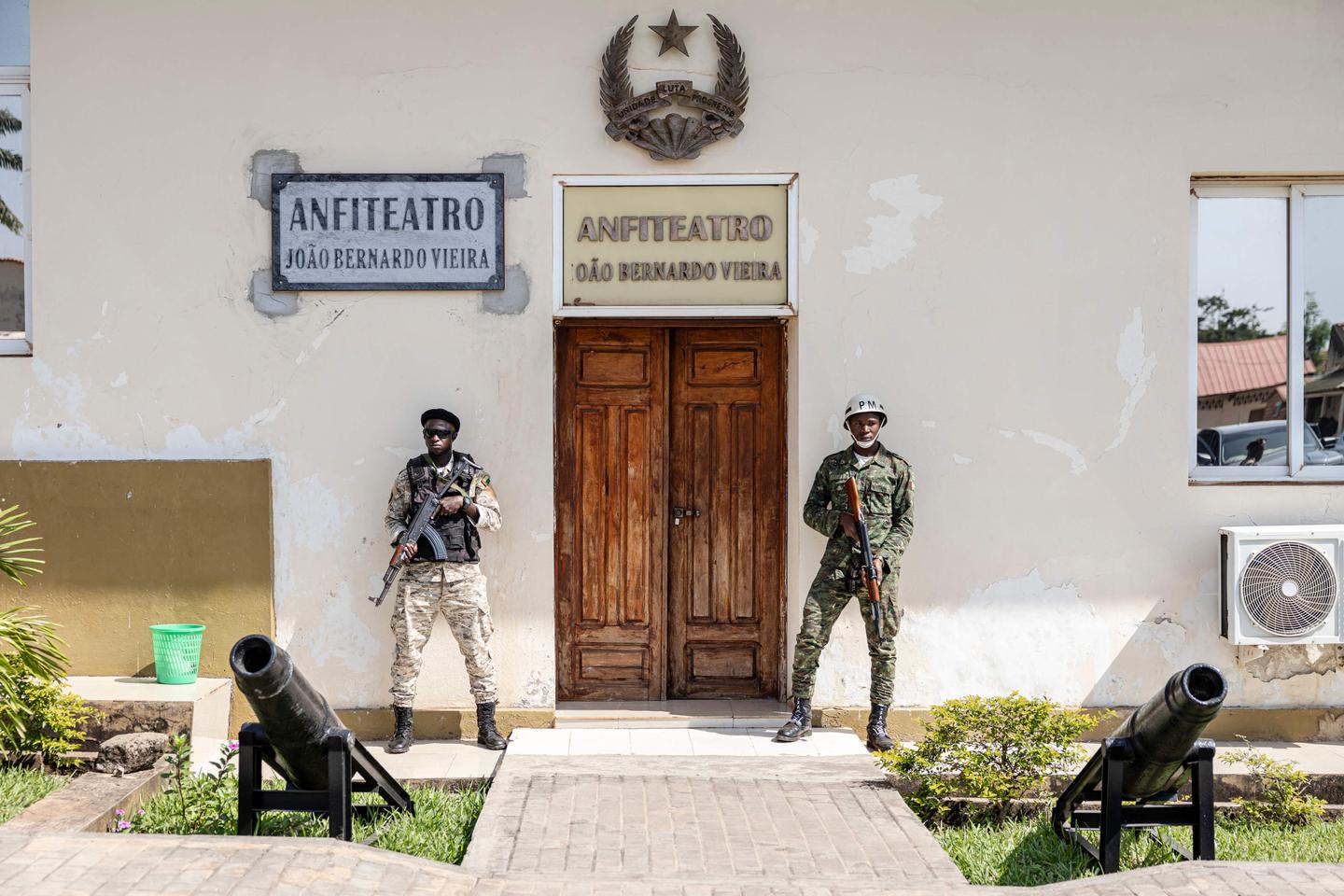
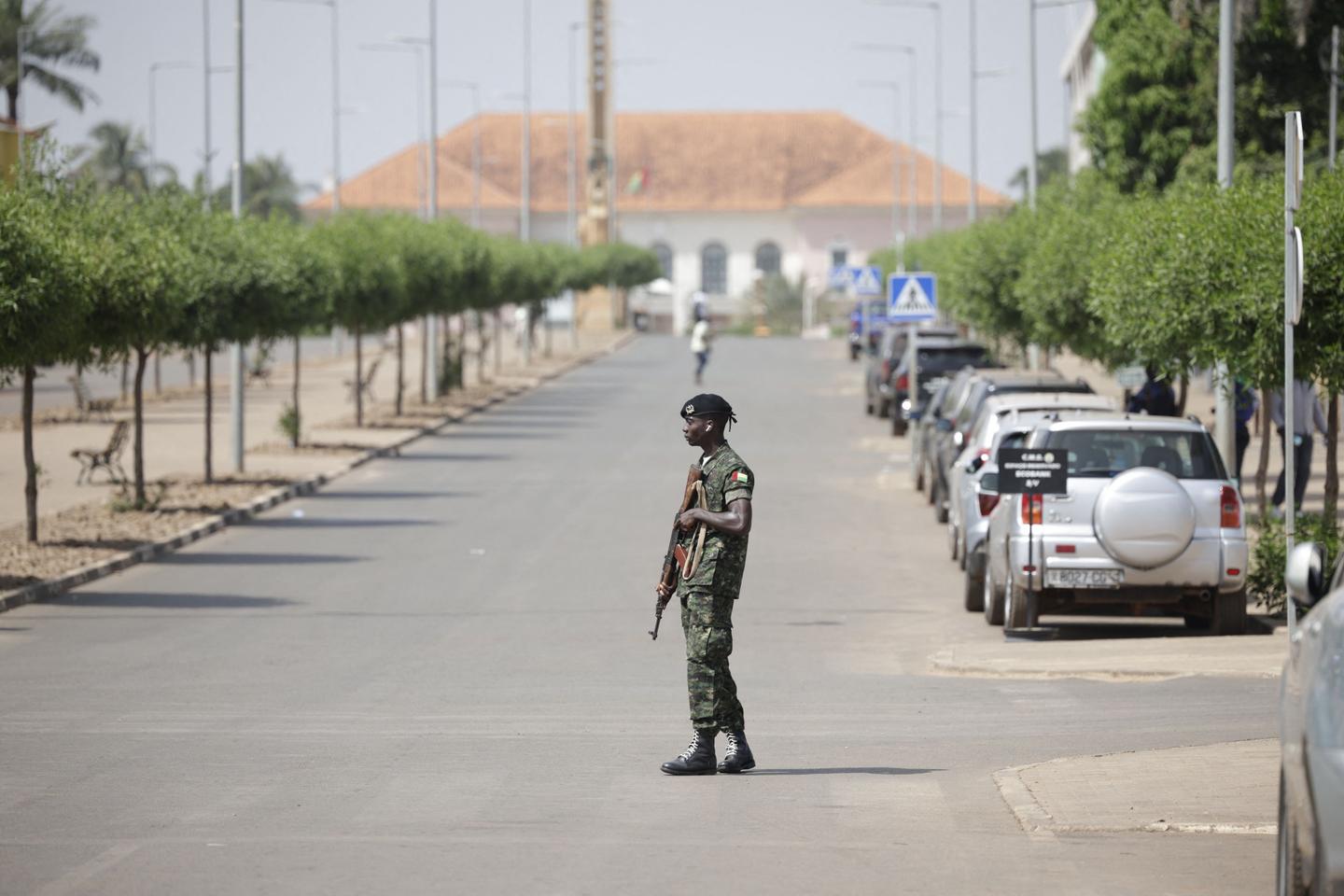
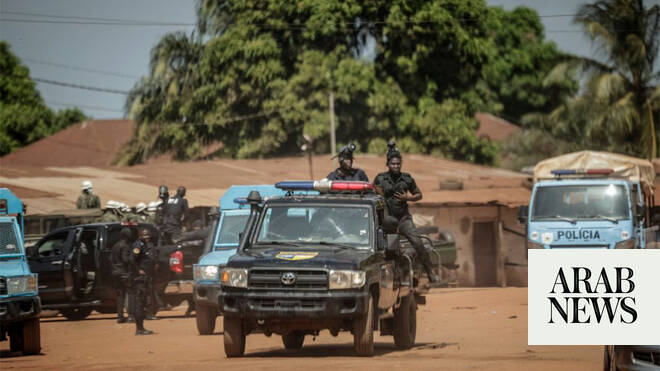
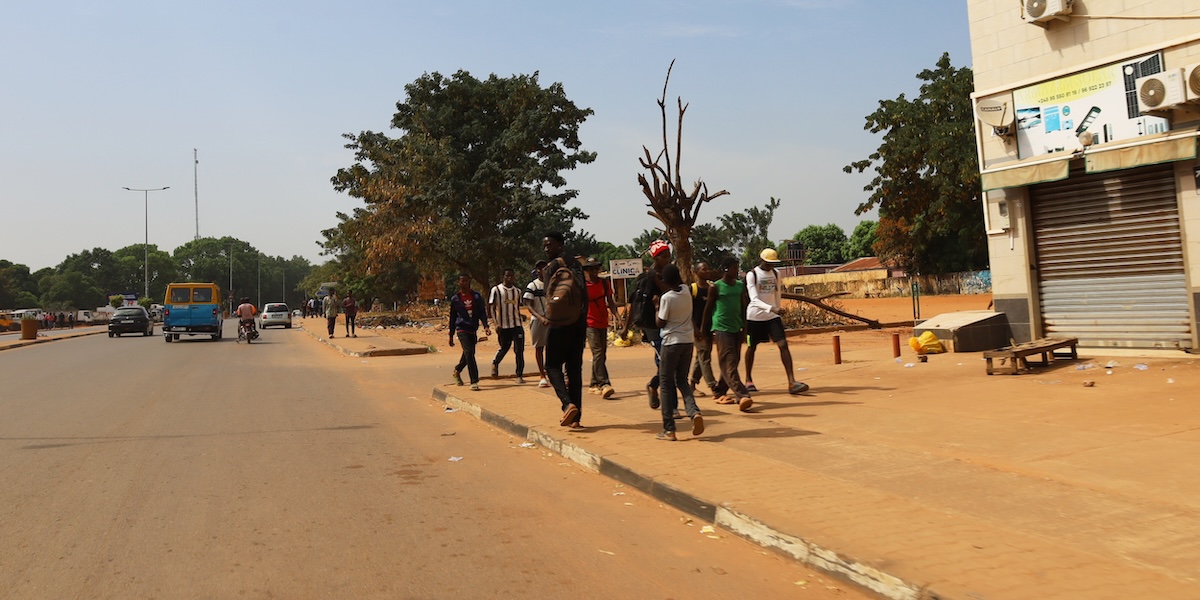
The work of the media and the activities of all government institutions have been suspended. The military ordered the closure of all land, air, and sea borders, having imposed a curfew. On Wednesday morning, gunfire erupted near the building of the electoral commission, the presidential palace, and the Ministry of Internal Affairs in the capital Bissau, though it had subsided by noon. Instead, armed checkpoints appeared throughout the city.