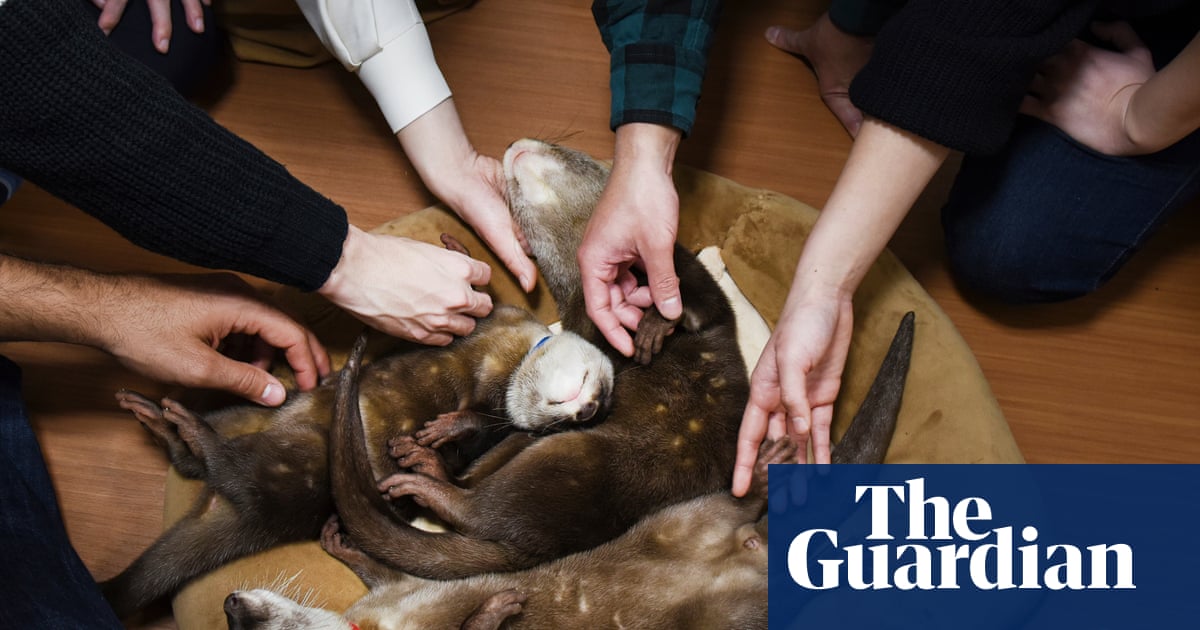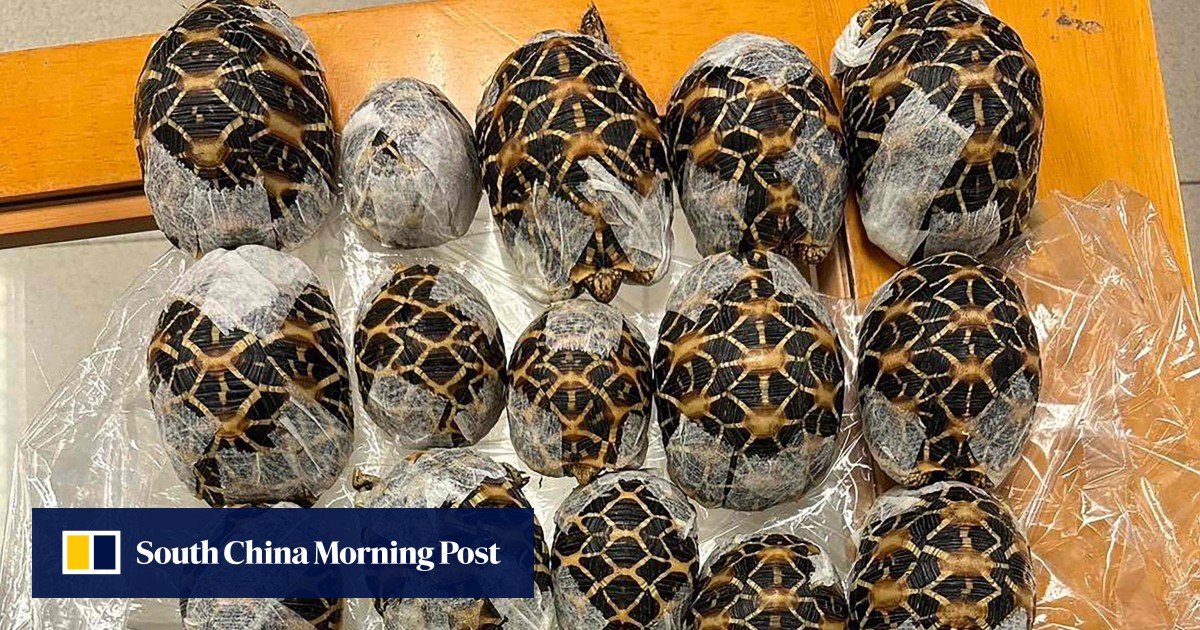
A boom in places offering petting sessions is linked to a rise in the illegal movement of exotic and endangered species, say experts
T
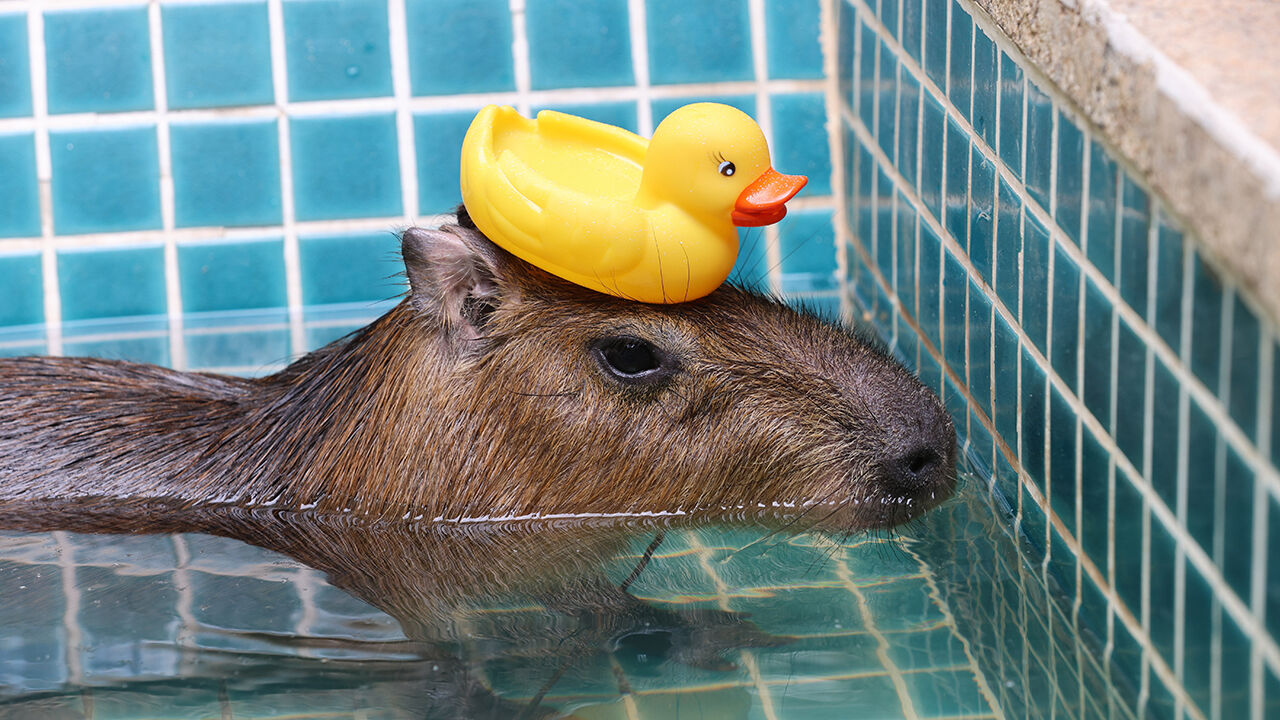
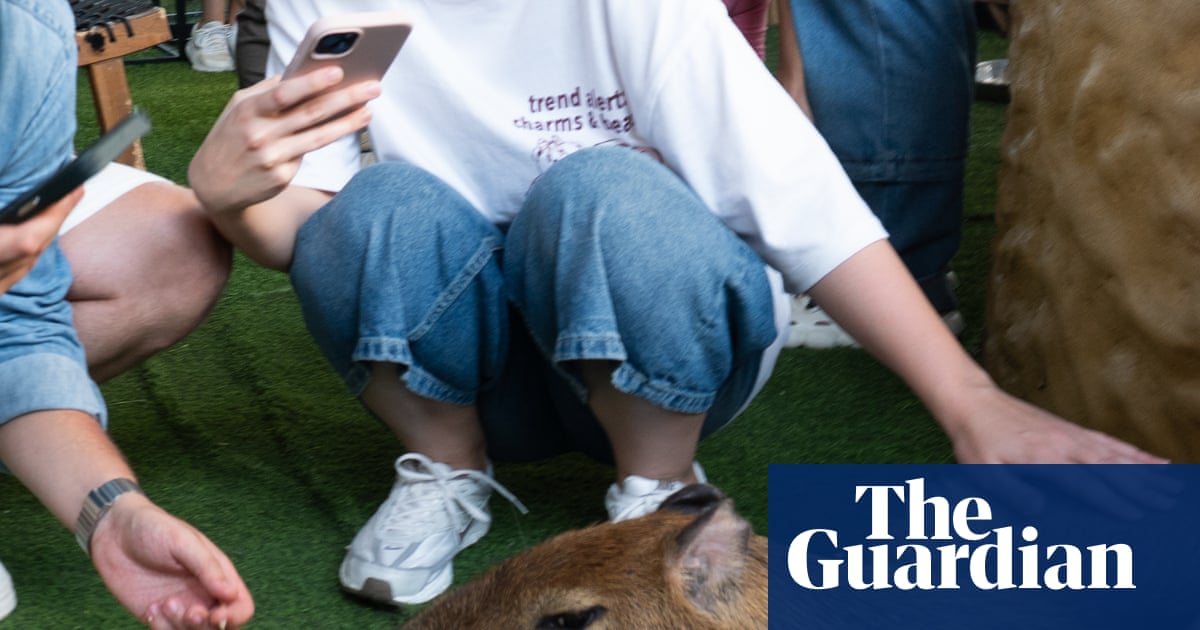
he second floor of an unassuming office building in central Bangkok is a strange place to encounter the world’s largest rodent. Yet here, inside a small enclosure with a shallow pool, three capybaras are at the disposal of dozens of paying customers – all clamouring for a selfie. As people eagerly thrust leafy snacks toward the nonchalant-looking animals, few seem to consider the underlying peculiarity: how, exactly, did this South American rodent end up more than 10,000 miles from home, in a bustling Asian metropolis?
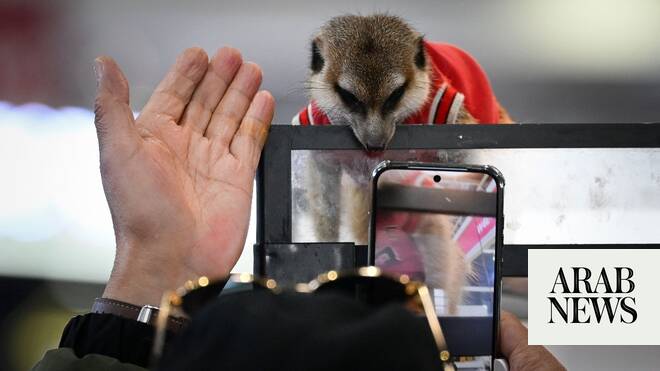
Capybara cafes have been cropping up across the continent in recent years, driven by the animal’s growing internet fame. The semi-aquatic animals feature in more than 600,000 TikTok posts. In Bangkok, cafe customers pay 400 baht (£9.40) for a 30-minute petting session with them, along with a few meerkats and Chinese bamboo rats. Doors are open 12 hours a day, seven days a week.
“They’re just so weird,” says Elizabeth Congdon, a capybara biologist at Bethune-Cookman University in Florida, mulling over the rodent’s sudden appeal. “And then you combine that weirdness factor with how docile they are, how easy they are to keep in zoos, and how social they are.”