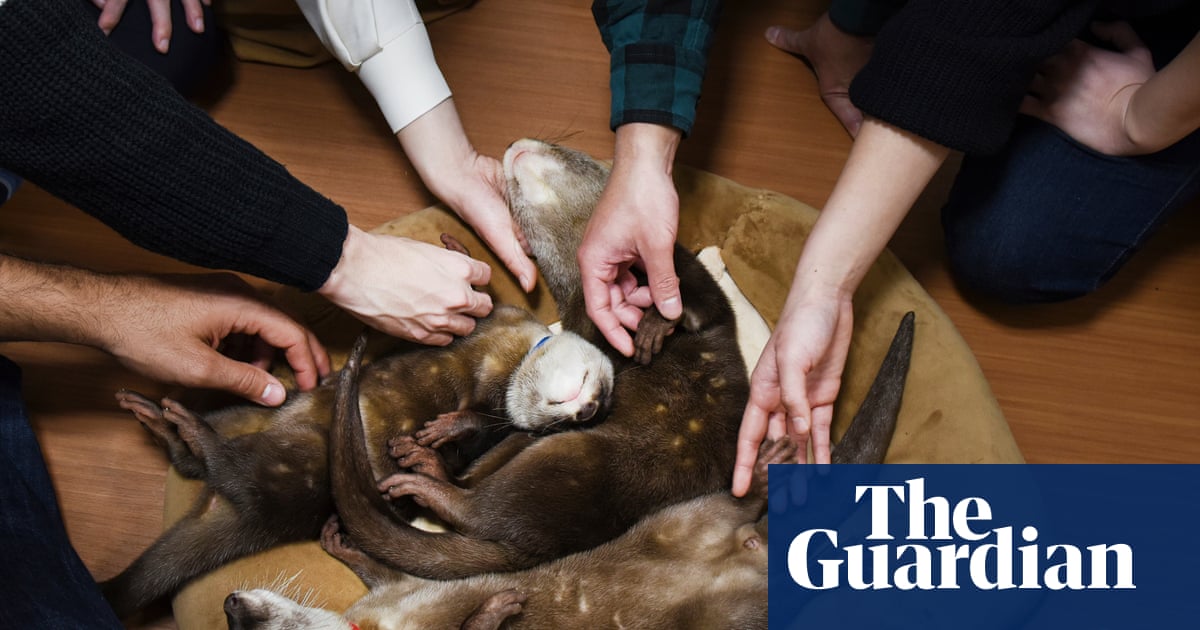
The DNA of rare small-clawed otters in captivity in Japan has been matched to wild populations in poaching hotspots in Thailand
Posing for selfies on the laps of excited visitors, the otters of Tokyo’s animal cafes have learned to play their part in their online stardom. In thousands of social media videos, the aquatic mammals wriggle through the outstretched hands of adoring customers who reward their attention with food.
But the booming demand has raised major concerns among conservationists, with a study published in the journal Conservation Science and Practice linking the small-clawed otters in animal cafes in Japanese cities with wild populations in poaching hotspots in Thailand.
Researchers compared the DNA profiles of 81 otters from zoos and animal cafes or seized by customs with genetic data from wild populations in Malaysia, Singapore and Thailand. They found the overwhelming majority of captive otters matched with two poaching hotspots in southern Thailand, on the Gulf of Thailand coastline and near the border with Malaysia.
The Asian small-clawed otter, classified as vulnerable to extinction on the IUCN red list, is the otter species of choice and has become a popular pet, even though its commercial trade was banned internationally in 2019.