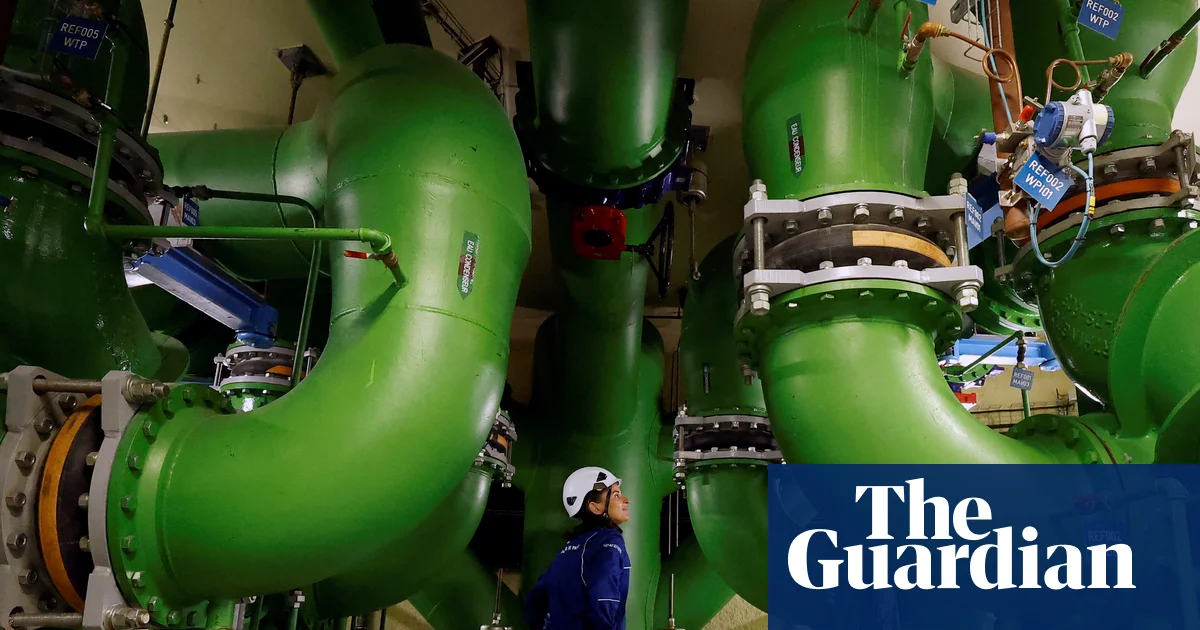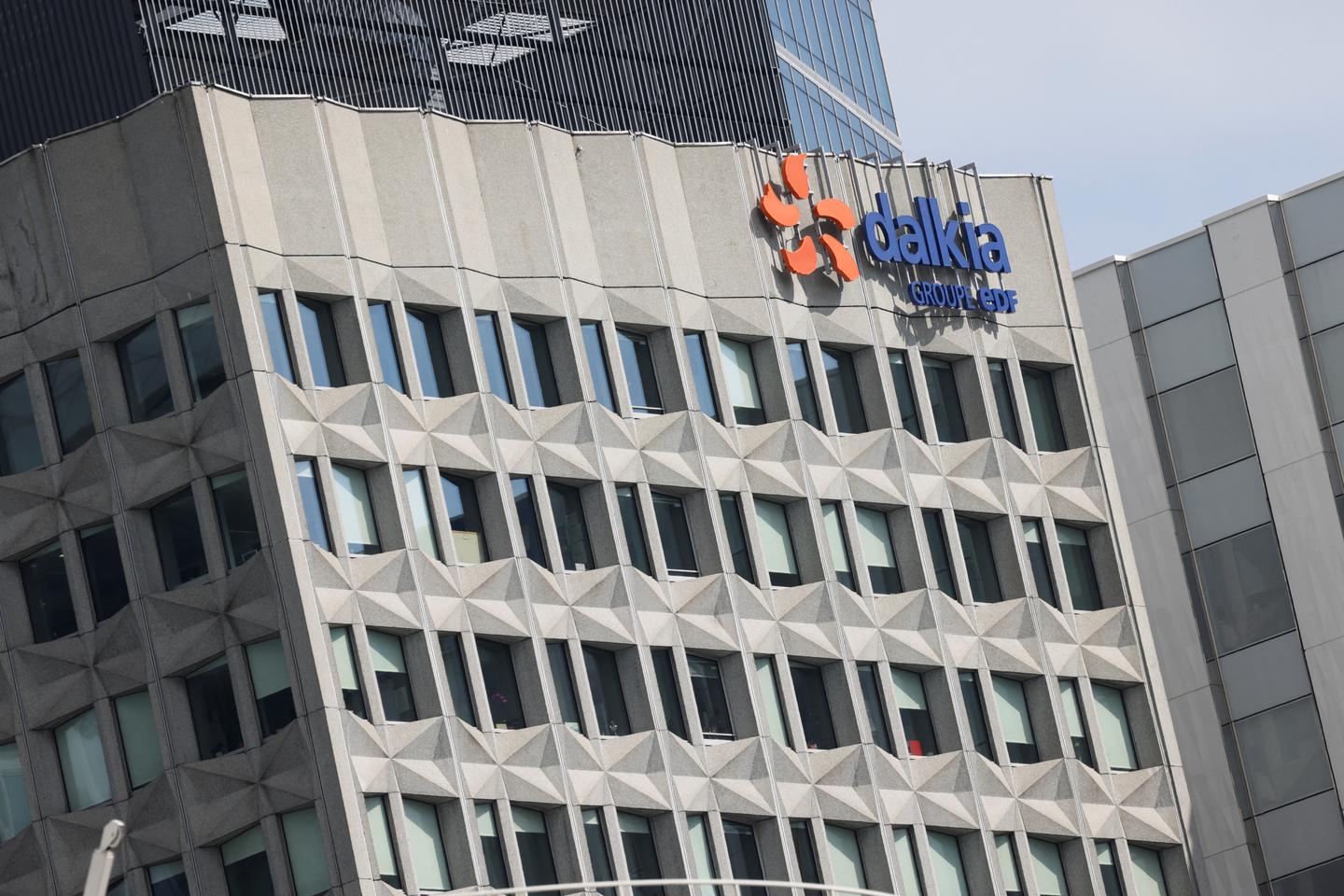
At La Défense, in 2023. LUDOVIC MARIN/AFP
The transfer of power in Paris' vast district heating network is shaping up to be historic. It is the largest of its kind in France and one of the most extensive in Europe, with more than 500 kilometers of underground pipes heating about a quarter of the capital's buildings – including condominiums, businesses, hospitals, and monuments – and supplying networks in 16 neighboring cities in the Hauts-de-Seine, Seine-Saint-Denis, and Val-de-Marne departments.
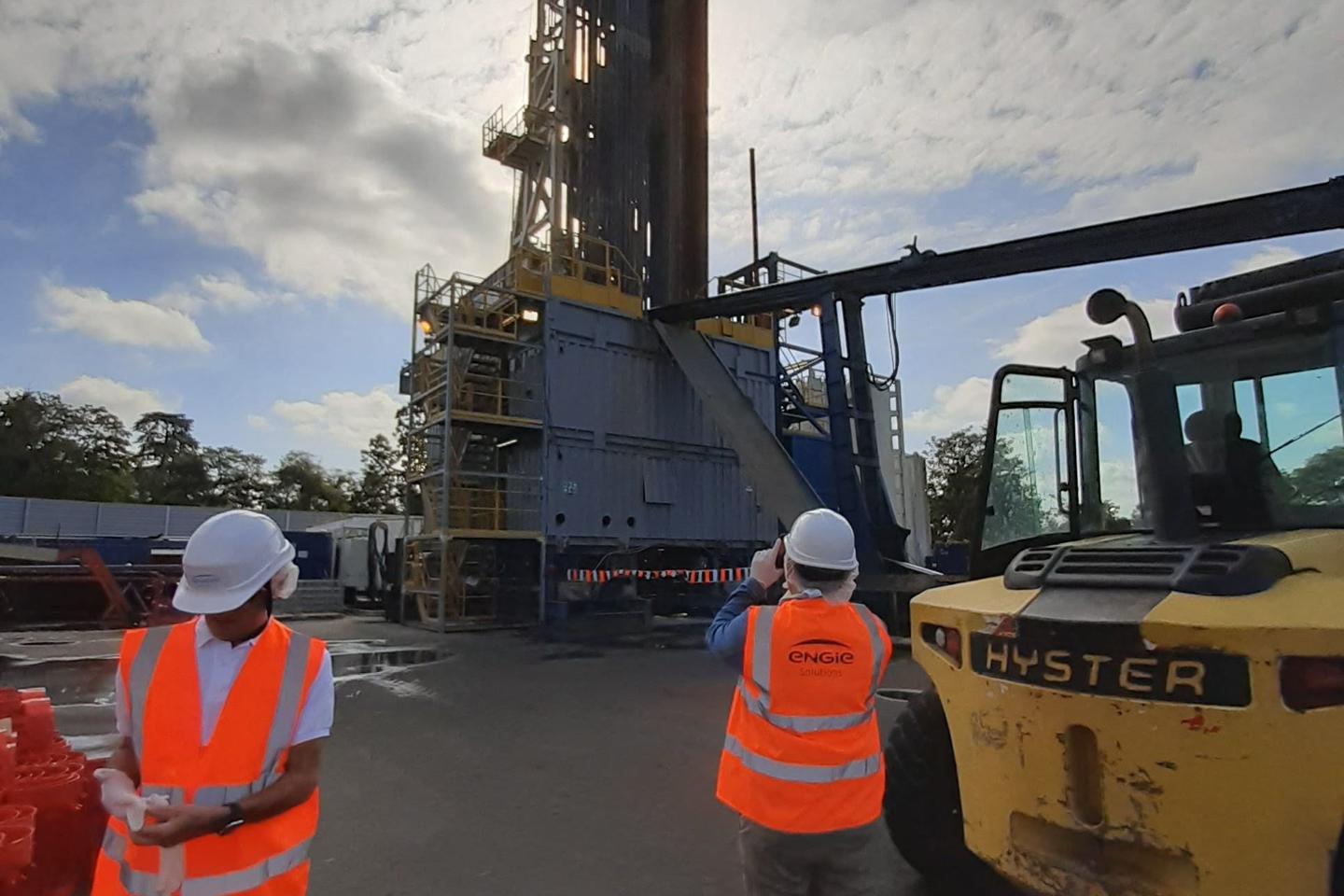
On the evening of Tuesday, November 25, the suspense ended at a press briefing: after 27 months of consultations and a highly anticipated call for tenders, the Paris municipality announced its intention to entrust the city's vast heating network to Dalkia, a subsidiary of EDF, starting in 2027. This marks a revolution – and a major loss for Engie, the current operator. Its subsidiary, Compagnie parisienne de chauffage urbain (CPCU), has run the infrastructure since 1927.
It will formally be up to the next Council of Paris to approve or reject the award, between December 16th and 19th. "It would be a great honor to be chosen for this major project," stated Dalkia at this stage, declining further comment. If the public service delegation is confirmed, EDF's subsidiary stands to secure an exceptional contract: the agreement would run for a quarter-century and is estimated to bring in a total revenue of €15 billion. To strengthen its bid, the company submitted its offer as part of a consortium with Eiffage and RATP Solutions Ville.