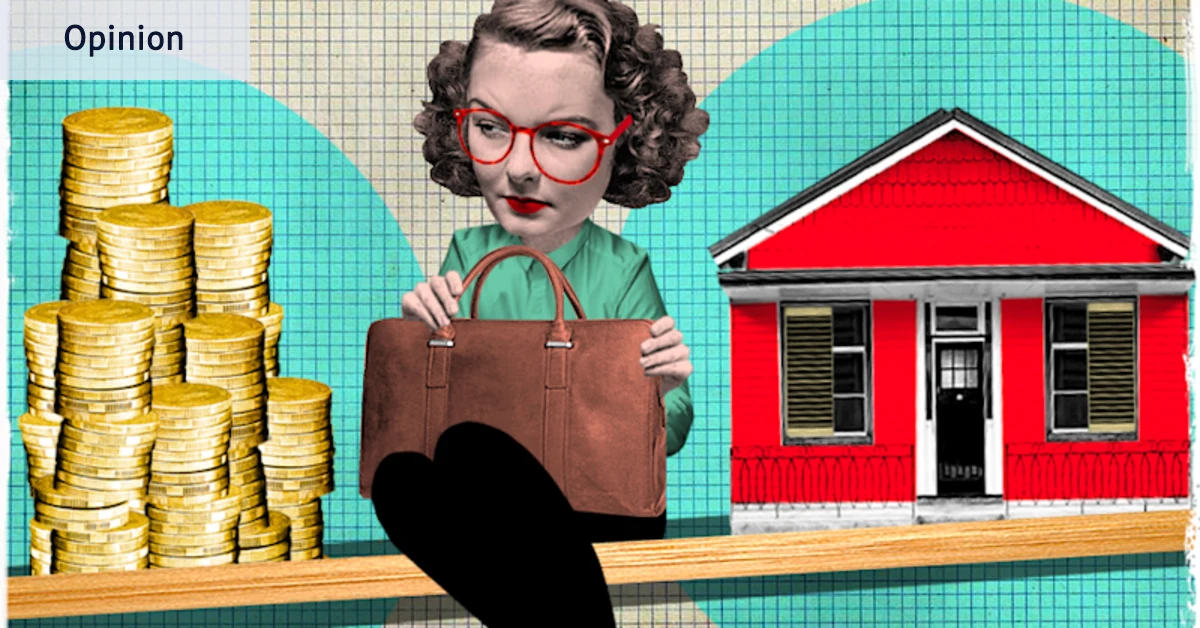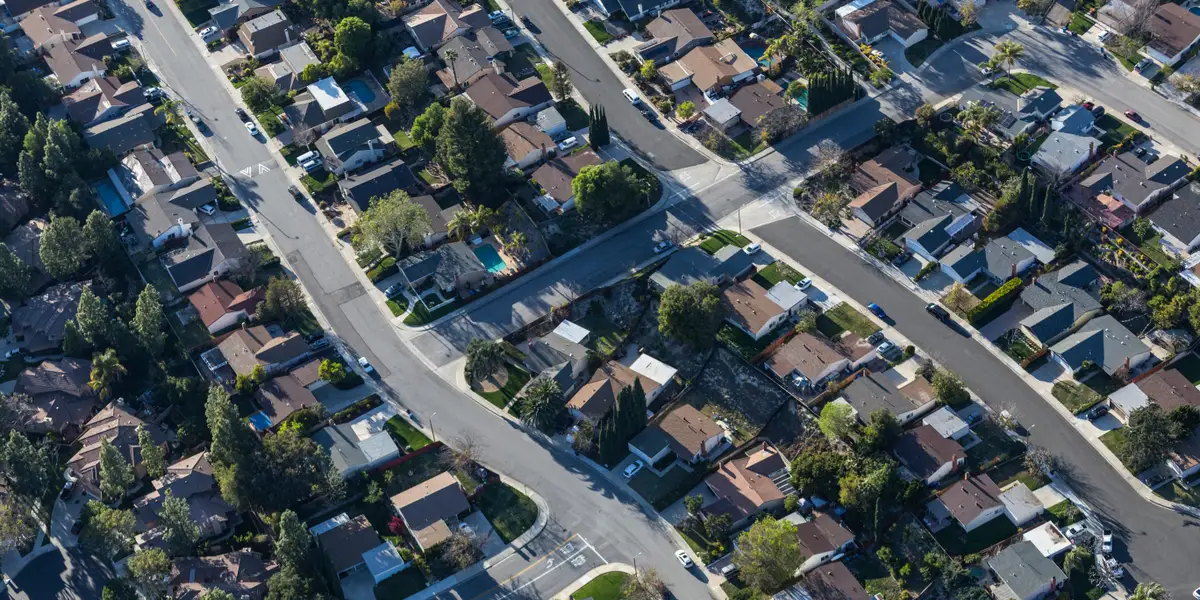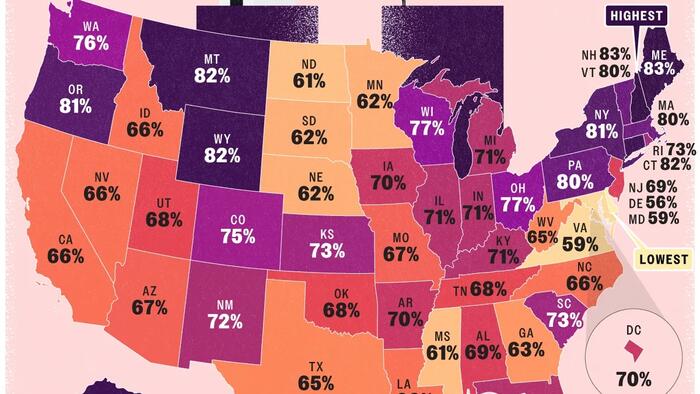
The comment sections of TikTok’s “middle-class house tours” feature thousands of Americans arguing about what qualifies as middle class in 2025. Viral videos of average homes are sparking comment threads filled with passionate arguments, as users weigh in on everything from income definitions and house size to family struggles and lifestyle choices. Users boldly label themselves as, alternately, “lower middle class,” “middle middle class,” or “upper middle class”—but the comment sections reveal fierce debates about whoʼs really where on the economic ladder.
Some viewers feel showcased homes look more affluent than their own reality, prompting debate over whether the poster is truly middle class or, as one commenter put it, “upper class hiding behind modest decor.” Posts that offer relatable glimpses of chipped baseboards, mismatched furniture, and paper window shades are championed by those who feel social media is otherwise awash in unattainable luxury. Others point out that the middle class can’t be defined solely by appearances, given regional cost differences and inflation.
Itʼs a vivid new window into just how confused people are about class in 2025. Many Americans seem genuinely unsure what distinguishes the different class gradations, or where their own household falls. The confusion is heightened by cost-of-living differences across the country and shifting economic benchmarks caused by persistent inflation and wage stagnation.