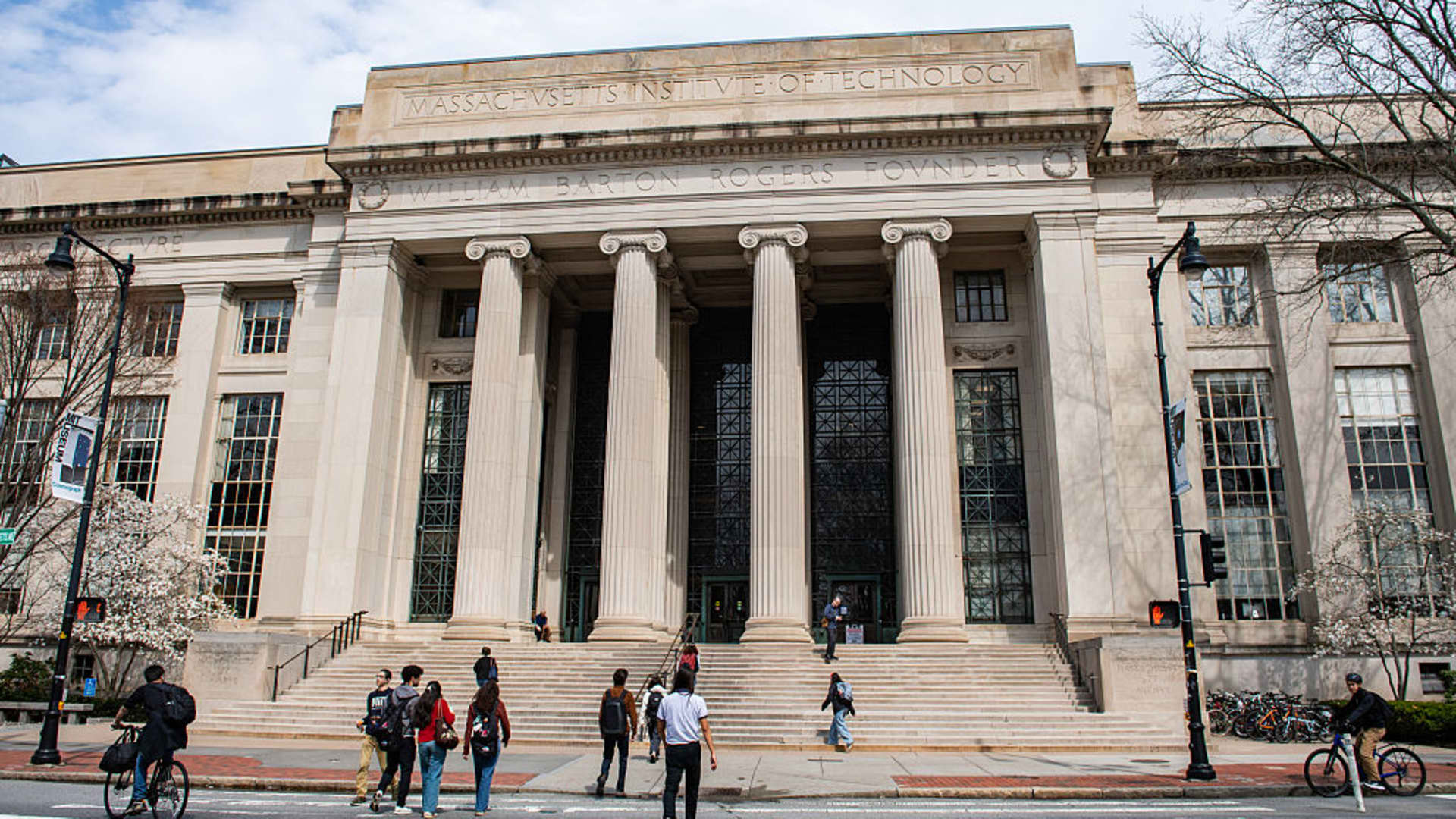
Massachusetts Institute of Technology on Wednesday released a study that found that artificial intelligence can already replace 11.7% of the U.S. labor market, or as much as $1.2 trillion in wages across finance, health care and professional services.
The study was conducted using a labor simulation tool called the Iceberg Index, which was created by MIT and Oak Ridge National Laboratory. The index simulates how 151 million U.S. workers interact across the country and how they are affected by AI and corresponding policy.
The Iceberg Index, which was announced earlier this year, offers a forward-looking view of how AI may reshape the labor market, not just in coastal tech hubs but across every state in the country. For lawmakers preparing billion-dollar reskilling and training investments, the index offers a detailed map of where disruption is forming down to the zip code.
“Basically, we are creating a digital twin for the U.S. labor market,” said Prasanna Balaprakash, ORNL director and co-leader of the research. ORNL is a Department of Energy research center in eastern Tennessee, home to the Frontier supercomputer, which powers many large-scale modeling efforts.
The index runs population-level experiments, revealing how AI reshapes tasks, skills and labor flows long before those changes show up in the real economy, Balaprakash said.