The anthropologist and father of New York’s mayor-elect offers a revisionist view of modern Ugandan history
C
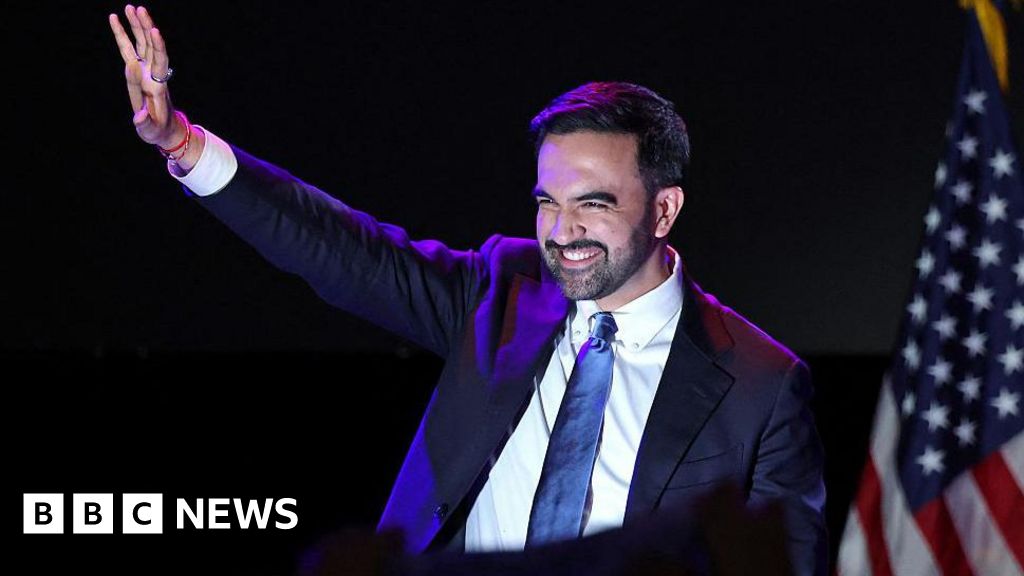
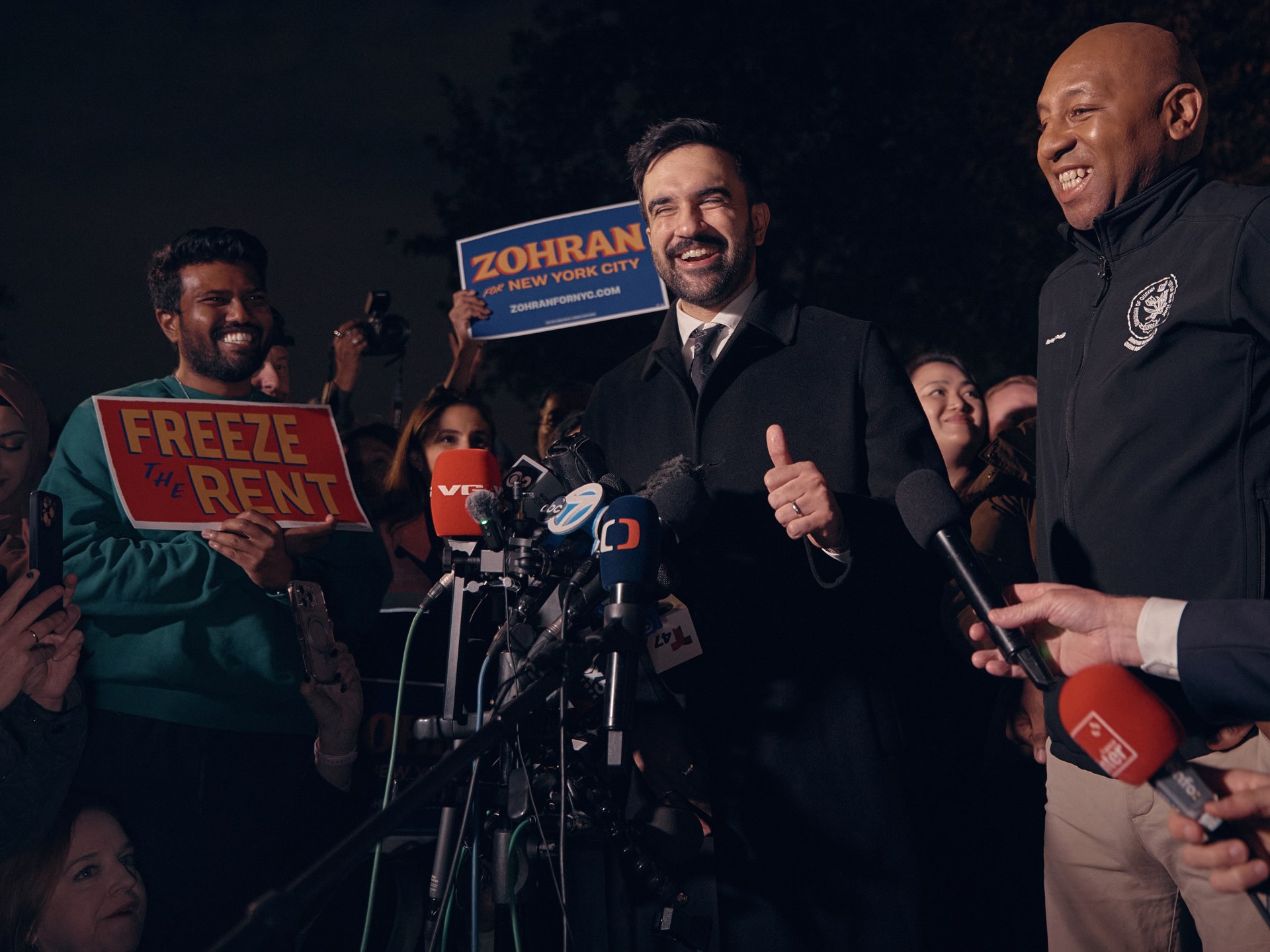
hildren of Ugandan Indians are having a bit of a moment. Electropop boasts Charlie XCX; statecraft, the Patels: Priti the shadow foreign secretary, Kash the FBI boss. And while the ones who go into politics have tended to be conservative, we now have a counterexample in Zohran Mamdani, the democratic socialist who clinched the New York mayoralty at the beginning of this month.
The anomaly is best explained by the politics of his father, Mahmood Mamdani. The apple, it seems, did not roll especially far down the postcolonial hillside. Mahmood, professor of government and anthropology at Columbia University, has long styled himself as the left’s answer to VS Naipaul. Where the Nobel-winning curmudgeon surveyed postcolonial Africa with disdain, revelling in the wreckage of independence, Mamdani presents a more forgiving view: pathos instead of pity, paradox instead of despair. If independence didn’t live up to the promise, he argues, it was because the colonised had been dealt a losing hand.
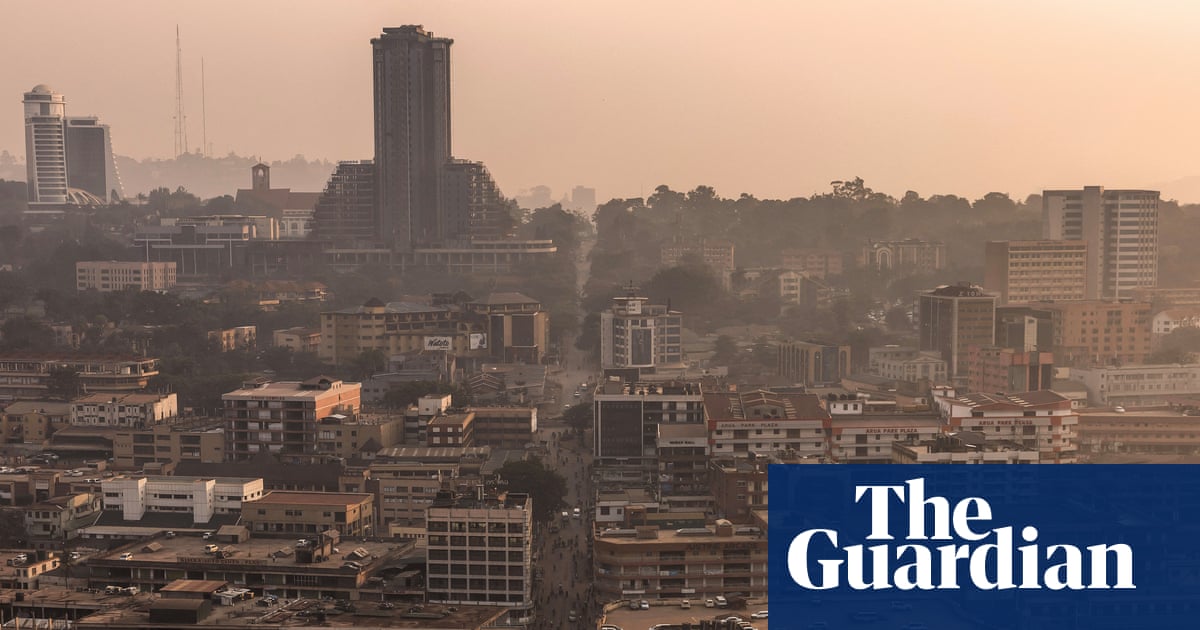
Mamdani’s own life, as this combined history and memoir suggests, has been a minor epic of exile and return. Raised in Kampala, he grew up in the insulated world of Uganda’s Indian community, living above society rather than in it. His was a landscape of Indian schools, Indian mosques and Indian cricket pitches. Interracial marriage was rare to the point of nonexistent.