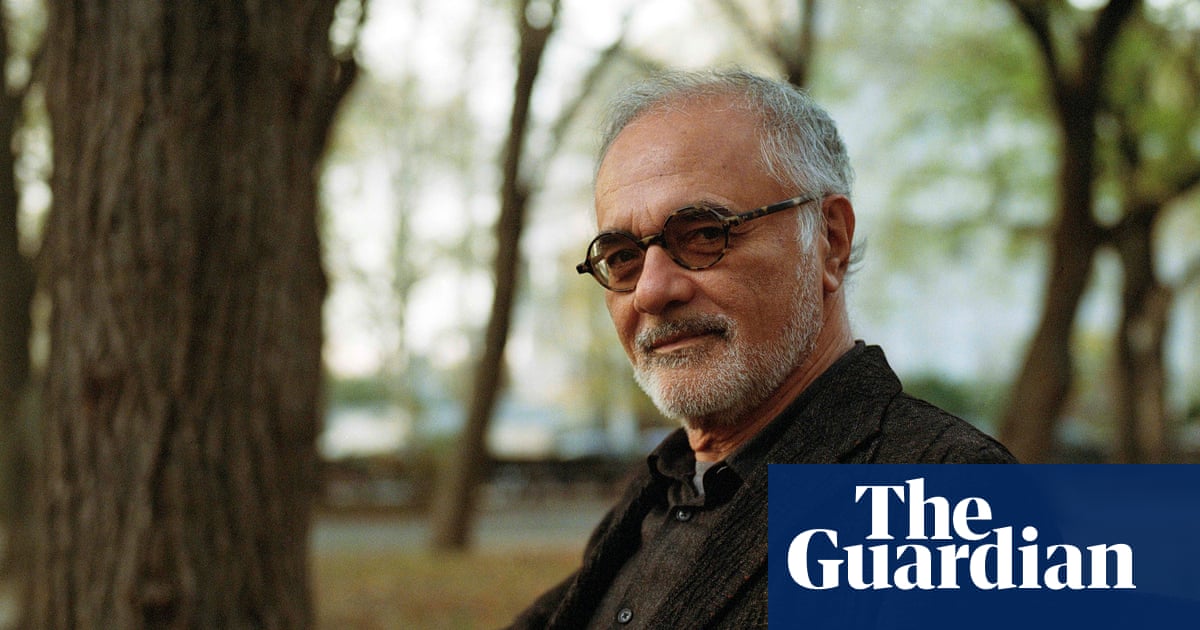
After being expelled from his homeland in 1972, the academic has grappled with questions of political belonging – a major theme of his son’s mayoral campaign
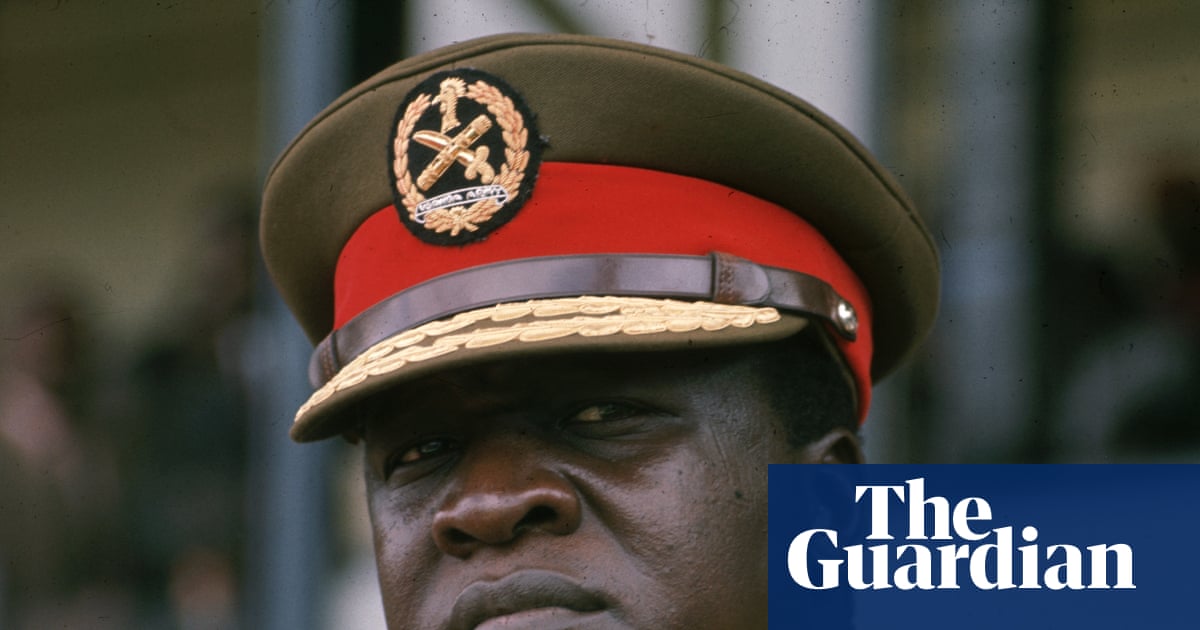
The night before Mahmood Mamdani was expelled from Uganda in 1972, a senior professor from the university where he had been employed as a lowly teaching assistant wandered into his family home, looking for spoils. The rest of the family had already left – for the UK, the US and Tanzania – but 26-year-old Mamdani had decided to remain until the final day of the three-month period that Idi Amin, the Ugandan president, had designated for all Asians to leave the country. Passing over the furniture and other remnants of decades of family life, the professor hit upon a carton of Johnnie Walker Red, which Mamdani invited him to take home.
The next day, reunited with his parents at a transit camp in London, Mamdani learned that the bottles had in fact held nothing but cooking oil, and he amused himself imagining the professor serving them at a party to celebrate the forced departure of tens of thousands of south Asians. It was only later that the “loneliness, anxiety [and] depression” of expulsion set in. Mamdani would go on to join the vibrant intellectual community in Dar es Salaam, where his superfluity of study groups was populated by a who’s who of pan-African scholars and politicians; his parents settled in Wembley, in north-west London, where for several years their “favorite pastime” was greeting the weekly flight from Uganda to Gatwick airport in hopes of meeting a former acquaintance.