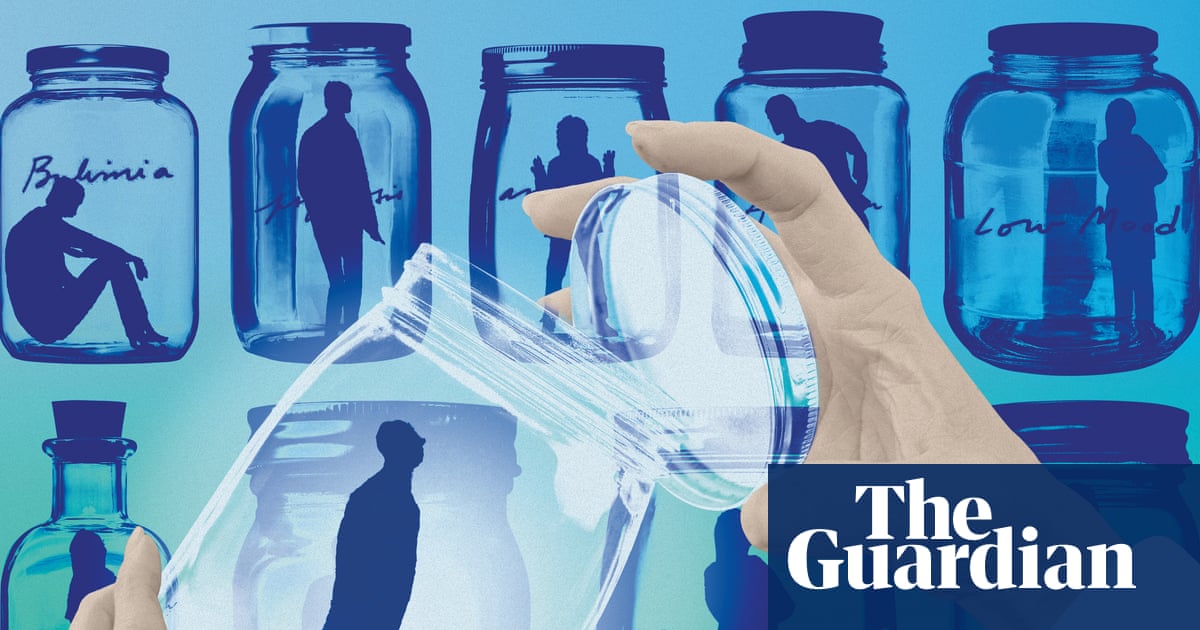
I’m on the spectrum. I’m dyslexic. I’m a CEO. I’m a Senior VP. I’m an actor. I’m fill-in-the-blank. America is the land of labels. And yet, as the number and intensity of the labels we wear have grown, so has our collective crisis of health — mental, physical, and even spiritual. Our diagnoses, our maladies, our jobs, our titles, our sexual preferences — these are all real, but they do not define us. Or at least, they shouldn’t — because if our labels define us, we’re also confined by our labels. When we live inside our designations, we shrink the scope of who we can become. This is one of the factors fueling the mental health crisis, which in fact points to a larger spiritual crisis.
Neurologist Suzanne O’Sullivan, in her book The Age of Diagnosis: How Our Obsession with Medical Labels Is Making Us Sicker, warns that “borderline medical problems are becoming ironclad diagnoses and normal differences are being pathologized,” and “ordinary life experiences, bodily imperfections, sadness, and social anxiety are being subsumed into the category of medical disorder.” The latest Diagnostic and Statistical Manual of Mental Disorders (DSM-5), the so-called bible of psychiatry, lists 297 conditions. One in nine American children has now been diagnosed with ADHD — a million more than in 2016, with adult rates doubling in the past decade.